Unfortunately, acne is a really familiar problem for many of us. It somehow always pops up out of nowhere to ruin a good day, often at the worst of times. And it’s never just some acne or a pimple – it’s that decrease of confidence which leads to stress and frustration. And in the same frustration, we have that constant urge to pop the damn pimple!
But have you given a thought to the fact that popping it might not actually work, or maybe, make it even worse? Read on to know the answer for your ‘should I pop my pimple’ question!
Key Takeaways
- Popping an acne pimple might make it worse, leading to infection and scarring, only mature whiteheads should be considered for extraction.
- Pimple patches and spot treatments are two solutions for acne – patches work for surface pimples while spot treatments address root causes.
- Different types of spot treatments work for different purposes depending on the core ingredient.
- Your lifestyle might significantly affect acne management – keep your face clean, be hydrated and eat well.
- There is no quick fix for acne. You need patience and consistency for it to heal and yes, stick to your skincare routine.
Table of Contents
Why should you not pop your acne?
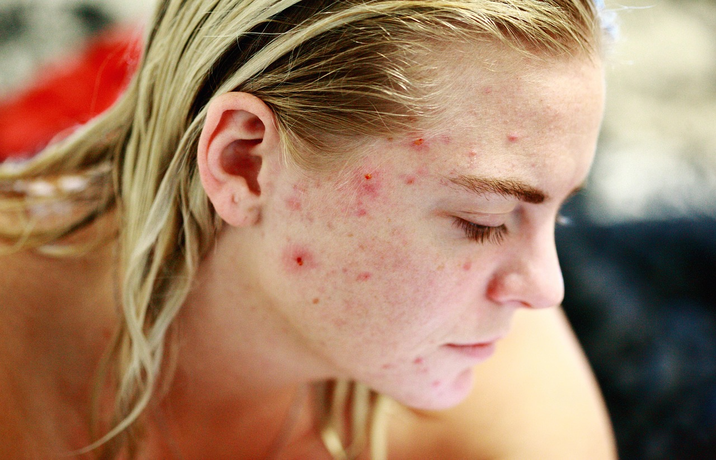
Do you also think that popping a pimple is the quickest way to make it go away? But believe it or not, it might flare up your acne condition. It can lead to:
- Increased inflammation on existing acne.
- Delayed natural healing process.
- Scars or skin pigmentation after the acne heals.
Acne pimples are of many types – cysts, papules, whiteheads, blackheads etc. Even though it is advised to not pop pimples at all, the only type of pimples safe (not completely though) for any popping are whiteheads.
But, they too, should only be popped when matured , i.e. they have a clear white or yellow surface which signifies that the pus is about to come out. For a safer approach, use clean tools like comedone extractors, q-tips or might as well play it very safe by just using a pimple patch for whiteheads.
So, what is the solution?
Now, you must be thinking – if not popping, then what? How to treat pimples without leaving a scar? Or more importantly, how to remove pimples at home, without expensive doctor visits? Well, here are options you can look towards when acne pesters you:
Pimple patches
Pimple patches are small adhesive stickers filled with hydrocolloid – a gel that heals wounds. Wondering how do pimple patches work? Well, they’re kind of like army medics. They focus on one pimple at a time, and fasten its healing process. They also act like shields from dirt, keeping inflammation at bay and help avoid scarring as well.
It’s not the best thing out there if you’re combatting severe acne or deep cysts, but for all the little pimples that pop all of a sudden, they’re a good fix!
Spot treatments
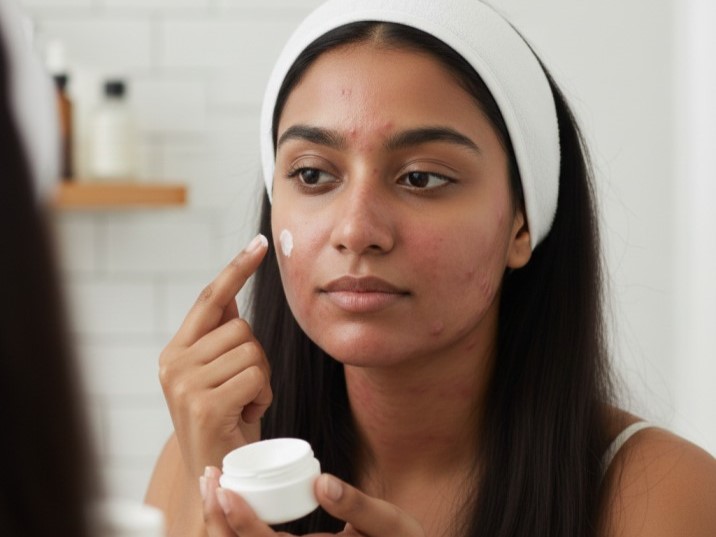
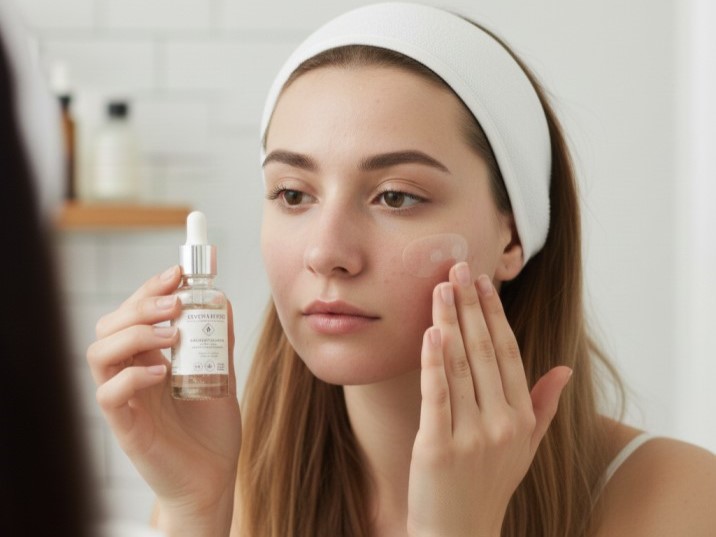
You must have seen people using those Niacinamide and Salicylic Acid solutions. Yes, those are spot treatments. They are concentrated gels or creams made with active acne fighting agents which are made specifically for making troublesome acne a tad bit easier to work with.
Unlike patches that only work on the surface, spot treatments go deeper and tackle the root of the problem. Different spot treatments have their very own use, such as –
- Salicylic acid: It is a beta-hydroxy acid that exfoliates skin. Salicylic acid spot treatments unclog pores by removing dead skin cells.
- Tea tree oil: It is a natural agent with strong anti-fungal and anti-bacterial features with soothes redness.
- Benzoyl peroxide: It is an anti-bacterial agent that kills acne that fights bacteria and reduces inflammation.
- Niacinamide: It controls oil production and prevents clogged pores. With its anti-inflammatory properties, it helps decrease swelling and redness.
Cannot decide which spot treatment is suitable for your acne? Chat with Dewi to know what suits you the best!
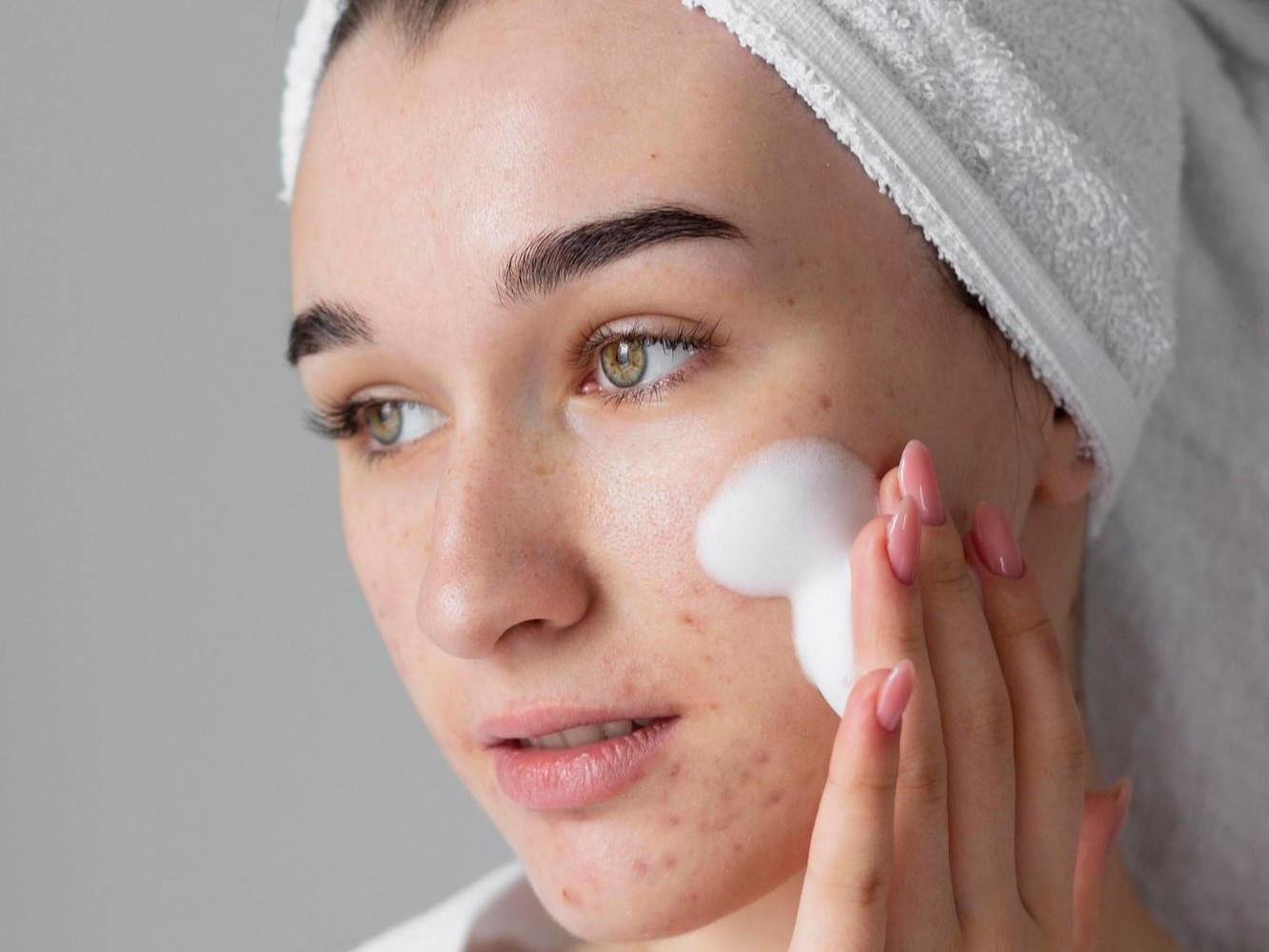
But if you have done your all and your acne still refuses to leave, it is best to knock on your dermatologist’s door for advice to avoid any unintentional irritation.
Habits that will help manage acne in the long-term
Alongside the above mentioned options, these habits will help you manage and reduce your acne in the long-term, especially if you are looking for how to treat pimple naturally:
Keeping it clean
Keeping your face clean and moisturised is the one step that you should never skip. Washing your face twice a day with a gentle cleanser is a good habit. And considering the soaring AQIs nowadays, this step is more crucial than ever in your quest for spotless skin.
The hands-off approach
Keep your hands off that acne! Do not give in to that urge of touching, picking or popping your pimples. As mentioned earlier, all these actions can potentially make your acne worse.
Hydration is salvation
Could you imagine that the very water you drink everyday can work to reduce your acne? Studies have shown a high correlation between high water intake and reduced acne severity.
Eat clean to reduce acne
A diet with a high glycemic index (foods that rapidly raise blood sugar) has been positively associated with acne and acne severity. Thus, including low GI foods like starchy vegetables can help your skin get better. So just like your mother always says, eat your greens.

Conclusion
Yes, pimples might appear suddenly. But, there’s no magic wand to make them go away. You need patience, a method that works, and no popping. Including a spot treatment in your routine, eating clean, and drinking more water can make your acne much better.
If these methods do not make any difference or if your acne is painful, it is best to take professional advice if it becomes more persistent. Battling acne is not an easy journey – but you can do it with the right treatments, skincare, and a little restraint.
Want some quick tips on how to combat acne at home? Give Dewi a try, and experience the best of AI-led skincare!
FAQs
1. Is popping pimples safe?
In most cases, no. Popping pimples can worsen inflammation, spread bacteria, and increase the risk of scars or pigmentation. Only fully formed whiteheads are sometimes considered “safe”. But even then, it’s best to avoid popping and use proper treatments instead.
2. How to use pimple patches correctly?
Target the right spot and apply the patch directly to clean and dry pimples. Then, press and hold the patch gently for proper fixation. Make sure you cover the entire area for optimal results.
3. How long does it take for acne to heal without popping?
Most mild pimples heal within a few days to a week if left alone, and a little earlier if they’re treated with spot treatments or patches. Not popping pimples and letting them heal naturally decreases chances of infection and further inflammation.
4. When should I see a dermatologist for acne?
If your acne is painful, persistent, spreading, or leaving marks despite home care, it’s best to consult a dermatologist. Professional treatment can help manage severe acne and prevent any more long-term skin damage.
5. Do pimples leave permanent scars?
Yes, they might if you try to pop them. They do not leave scars, when they heal naturally. But in case of severe cystic acne, permanent scars might form if there is no timely professional intervention.