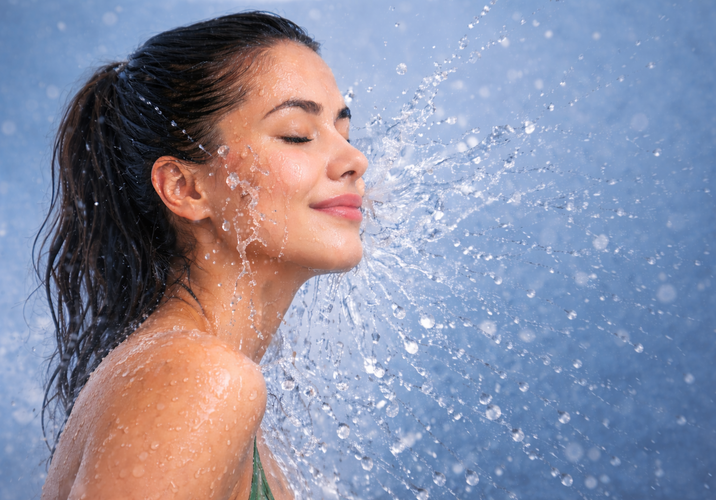
Nothing can beat the feeling of a hot bath after a long and tiring day. The feel of hot water on the skin relaxes muscles and makes the day’s stress disappear.
But, along with stress and exhaustion, the scorching hot water of your shower makes something else disappear too – your skin’s natural barrier.
Though the idea of a hot shower is quite tempting, hot shower skin is not something you want regularly.
Finding it hard to believe that hot water damages your skin? Read this blog to know all about how water temperature actually affects your skin, and what the ideal temperature shower looks like:
Key takeaways
- Hot water strips natural oils, leading to dryness, irritation, inflammation, and a weakened skin barrier.
- Cold water offers temporary tightening but doesn’t deeply cleanse or support long-term skin health.
- Extreme temperatures disrupt the skin’s pH balance, which makes it more sensitive and reactive over time.
- Lukewarm water cleans effectively while protecting the skin barrier and maintaining moisture balance.
- Consistent lukewarm showers help prevent breakouts, dryness, and irritation caused by temperature extremes.
Hot water, cold reality: What hot water really does to your skin
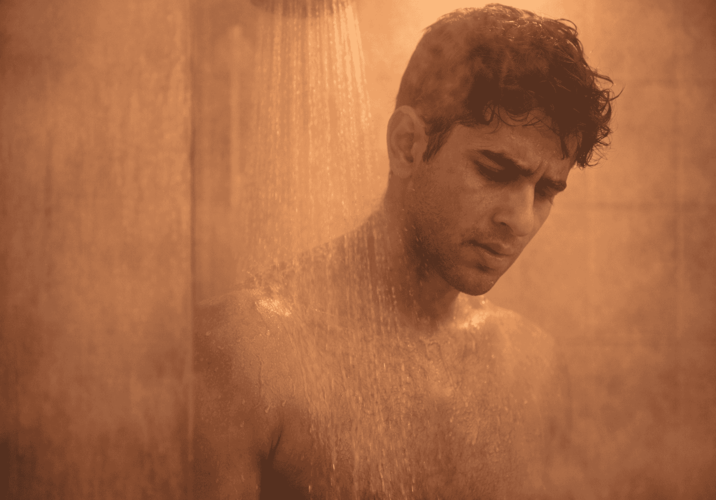
You might love long, hot showers but your skin definitely doesn’t. In fact, your skin often ends up paying the price for your comfort. That’s because hot water slowly chips away at your skin’s natural defenses. And according to this study, it impairs your skin barrier.
Here are some reasons why you shouldn’t take regular hot showers:
1. Strips skin of its natural oil
Your skin is pretty self-sufficient as it produces all the moisturizer it needs by itself. This is what we call natural oil or sebum. The oil glands present near your hair follicles release this waxy substance made up of fatty acids, squalene, and other lipids.
Its purpose? It naturally delivers and retains that moisture you try to get through fancy skincare products. This study shows that sebum has antibacterial properties, and supports your skin barrier. Not bad for a face oil, right?
But hot water showers take away these natural oils, resulting in dry skin after shower and flakiness.
2. Weakens the skin barrier
Your skin has its own protective shield known as the skin barrier i.e. the outermost layer of your skin. This barrier is what’s stopping pollutants, bacteria, and irritants from entering your skin.
It’s basically a combination of dead skin cells (the bricks protecting your skin) and lipids (the glue between dead cells). Studies show that hot water has a significant effect on the skin barrier. So, if you’re wondering why you get itchy skin after a hot shower, this is probably the reason behind it.
3. Increases the skin’s pH
Your skin likes to keep the party a little acidic – usually between a pH of 4.7 and 5.75. This results in the perfect guest list: harsh enough to keep out the unwanted harmful pathogens yet cozy enough for the beneficial microorganisms (those present in the skin microbiome).
Also, the essential functions of your skin, such as desquamation (shedding of dead cells) and lipid production, happen within a specific acidic range. Hot water, however, crashes the party by pushing your skin’s pH toward alkaline territory. This throws enzymes off their game and weakens defenses. Sebum depletion from hot water also disrupts the pH level.
Cold water: Instant glow, short-lived benefits
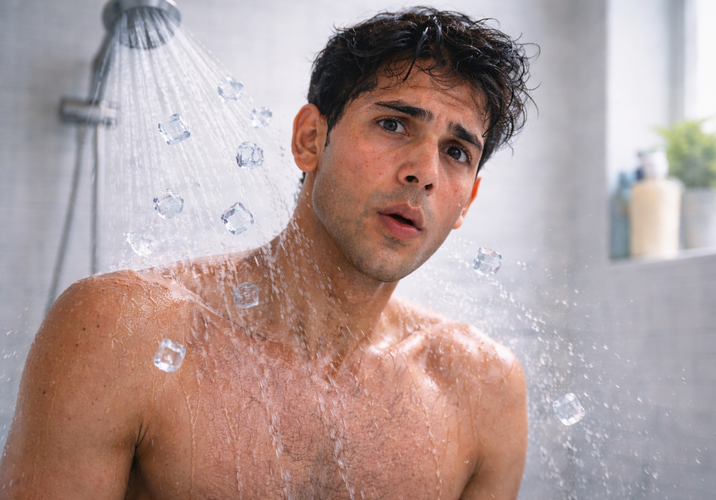
If hot water isn’t right for your skin, then cold water would be the real saviour, right? But unfortunately for the cold-shower enthusiasts, that line of thinking would also be wrong.
Cold showers give a short-lived jolt to your skin, which results in its temporary glow and tightness. But, there’s more to it than just that.
So is a cold shower good for the skin or not? Let’s find out:
The immediate perks: Tight, calm, refreshed
In recent times, cold water has earned a reputation as a skincare hero. But in reality, it has really limited positive effects.
The most visible effect would be the tightening of your skin. But that’s just a temporary reflex of your body. It conserves heat through shrinking blood vessels near the skin surface. However, once your body warms up, the skin goes back to its prior state.
Another major effect would be the soothing effect that cold water offers. This helps reduce inflammation and irritation of skin. Also, cold water doesn’t rob your skin of its natural oils. As a result, it could be an acceptable shower temperature for dry skin.
The not-so-great side: Limited cleansing power
Cold water sure feels refreshing, but it’s not great at actually removing any dirt. Oil, sunscreen, makeup, and grime tend to stick around even after you’ve showered.
And when residue hangs back, pores clog and breakouts show up. So while your skin may look calm and composed, it might not be as clean as it seems.
So while cold showers do tend to retain moisture, longer showers can result in dryness and dehydration of skin.
The reality check: Benefits that don’t last
Is a hot shower bad for skin? Absolutely. But cold showers aren’t much better. Cold water doesn’t fix your skin at the root. It won’t strengthen your barrier or lock in hydration for the long haul.
That instant glow? It’s more illusion than impact. It sidesteps real concerns like dryness, barrier damage, and pH imbalance.
The solution? A temperature that’s somewhat in between these two. Let’s see what the optimal shower temperature should look like:
The temperature your skin thrives in
To avoid itchy skin after a hot shower and unclean skin after a cold one, you need to know the right temperature.
This is where lukewarm water (37℃-38℃) steps in. It offers effective cleaning without all the drama of dryness, inflammation, irritation, and a weakened barrier.
Along with the temperature, the amount of time you spend in the shower also matters. Keep it short and simple and you won’t be having much problems.
Also, do not forget to apply moisturizers post-shower. It’s not only about the perfect shower temperature, it’s also about how you treat your skin during and after it.
Conclusion
Your skin’s needs should never come second, not even while choosing the temperature of your shower. That’s because water temperature matters very much for your skin.
Too hot, and all the hours spent in caring for your skin are thrown straight out of the window. Too cold and the impurities and dirt will forever remain with you. The winner? Lukewarm water. It cleanses effectively, respects your barrier, and keeps things balanced without the drama.
From ‘why does my skin itch after a hot shower’ to ‘Is cold water beneficial for the skin?’, we have answered all your questions in this guide and provided you with a practical solution.
But if you still have doubts about what your shower routine should look like based on your skin type, chat with Dewi to get all the answers.

FAQs
1. Does cold water improve skin health?
Cold water gives temporary glow and reduced redness. But it doesn’t help in improving hydration or barrier strength. It just gives temporary glow and skin tightening.
2. Are hot showers bad for your skin?
Yes, hot showers strip natural oils, increase inflammation, and weaken the skin’s protective barrier over time. It also disrupts your skin’s natural pH level.
3. What is the best water temperature for skin?
Lukewarm water is ideal as it cleans effectively without stripping oils or irritating the skin barrier. It hits the perfect balance between proper cleansing and retaining moisture.
4. Are hot showers bad for eczema?
Yes, hot showers are bad for eczema. That’s because hot water worsens eczema by drying skin, weakening the barrier, and increasing irritation and redness.
5. How often should I bathe with lukewarm water for better skin?
Using lukewarm water daily helps maintain skin balance and supports long-term skin health. There is no harm in using it regularly.