There are high chances that you must have come across salicylic acid if you do skincare. Be it dermatology experts or beauty influencers, everyone’s got salicylic acid in one product or the other.
Though it is primarily used for acne, it can do much more than that. Also, everyone talks about stuff like salicylic acid and BHAs, but people don’t really know what it exactly does.
So in this blog, let’s understand what salicylic acid is, it’s benefits, and importance in your skincare routine:
Table of Contents
Key takeaways
- Salicylic acid is beta-hydroxy Acid (BHA) which reaches deep into your pores and fights root problems.
- It is an oil-soluble chemical and is suitable to be used for oily skin types.
- Salicylic acid uses for face includes exfoliation, anti-acne action, and oil control.
- It is used in a wide variety of skincare products like serums, spot treatments, and moisturisers.
- For beginner salicylic acid use, start with lower concentration and gradually increase frequency, if results are well.
What is salicylic acid?
Salicylic acid is a beta-hydroxy acid (BHA) that is originally derived from willow bark and wintergreen leaves. BHA refers to compounds that are oil-soluble, which can penetrate deep into your oily pores and work its magic.
And this quality is what exactly makes salicylic acid an essential skincare ingredient. Also, BHAs are exactly opposite of AHAs (Alpha-hydroxy acids), like glycolic acid, which mainly work on the surface of your skin.
Salicylic acid benefits for skin
Salicylic acid is like that one neighborhood child that is just good at everything. It can exfoliate, control oil production, acne and has anti-inflammatory properties.
That being said, let’s take a look at the applications of salicylic acid in a skincare routine:
Exfoliates
Salicylic acid is keratolytic in nature, which means that it removes keratin (dead skin cells) from your skin. And no, it doesn’t offer a harsh and grainy feel, rather it is a gentle exfoliator. You don’t even need to do any scrubbing with it.
Unlike other products, a salicylic acid exfoliator does not cause micro tears and is gentler on the skin barrier. This exfoliating characteristic makes it widely applicable – for whiteheads, detanning, and getting a clearer complexion. You can also use salicylic acid for blackheads.
Controls oil
Struggling with greasy and oily skin? Salicylic acid might just become your new best friend. Treating an oily skin is its go-to function. However, there is one thing different about salicylic acid.
Unlike other products it doesn’t completely strip your skin of oil. When that happens, your moisture-regulating mechanism panics and produces even more oil. But salicylic acid removes that problem. With consistent use, it regulates sebum production, making your skin smoother without making it greasy.
Reduces acne
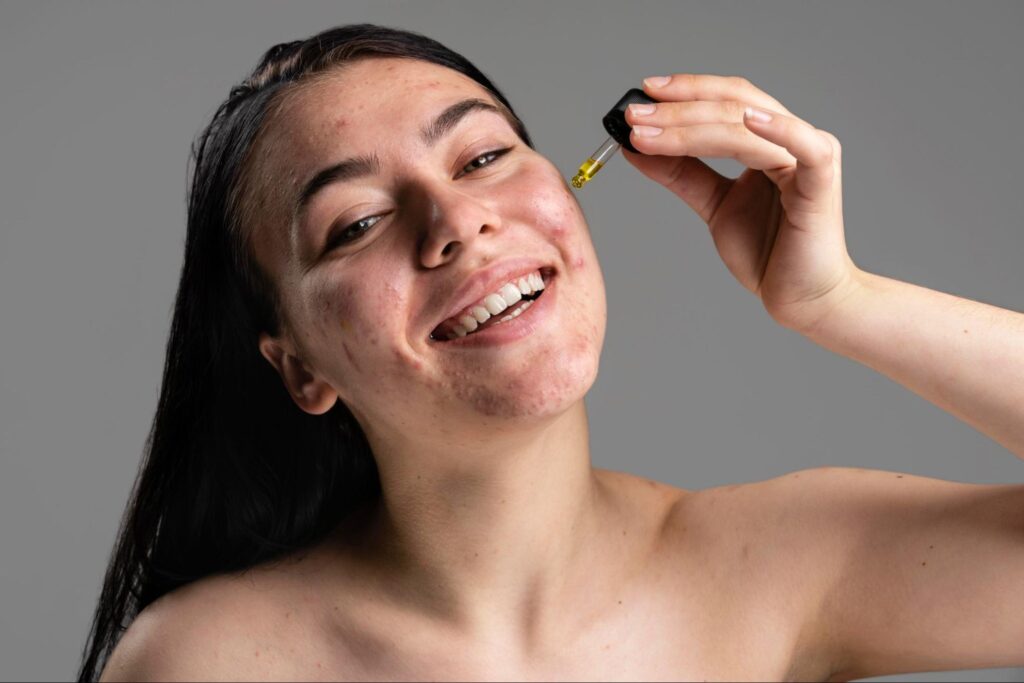
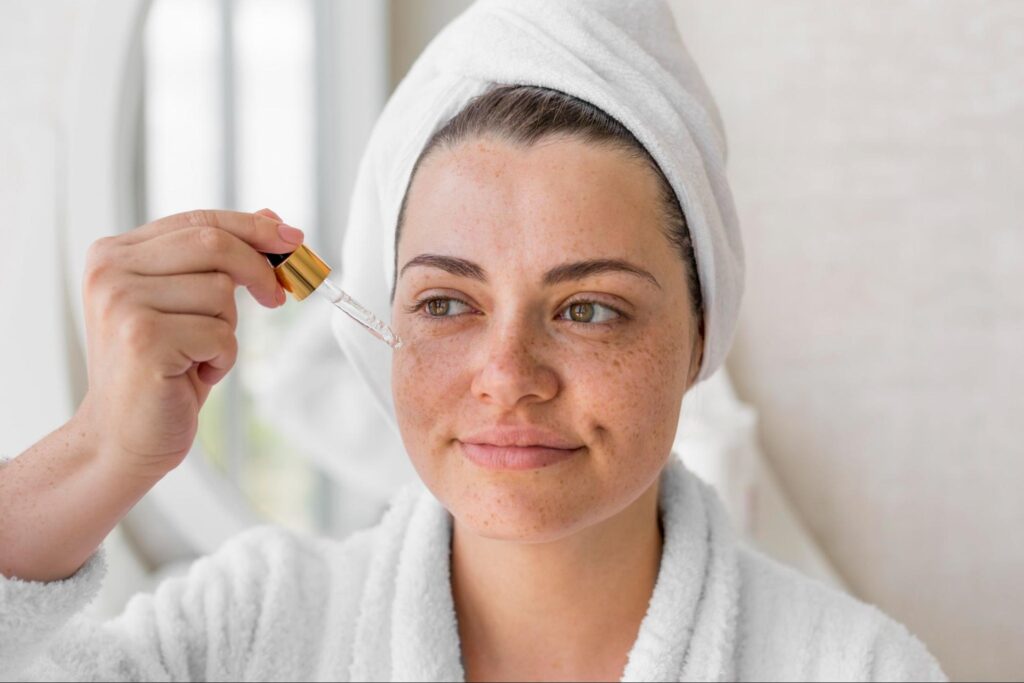
If you’ve had acne in the past (or still do), you must have been recommended salicylic acid products. Being an oil-soluble chemical, it helps clear your acne.
The reason most people get acne in the first place is clogged pores. They have a nasty mixture of oil, dead skin cells, and bacteria – the perfect recipe for breakouts. By helping you unclog your pores, it targets the root of the problem. And with regular use, you will find fewer pimples spawning on your face.
Reduces inflammation
Salicylic acid naturally has anti-inflammatory properties. Interestingly, it is also used to make aspirin. It can be used to calm redness and irritation from mild acne, which makes your breakouts less painful, and way less severe.
This also means that your breakouts will heal faster, and there is a lesser chance of post-inflammatory hyperpigmentation – (fancy name for acne scars). So, salicylic acid doesn’t only prevent acne, but also cleans the mess after it (which can sometimes be worse than the breakout itself).
How to use salicylic acid in skincare routine?
Given all the salicylic acid uses in skincare, it shows up in all formats of skincare products from serums to spot treatments. Let us run you through all the options of using it in your skincare:
Serums
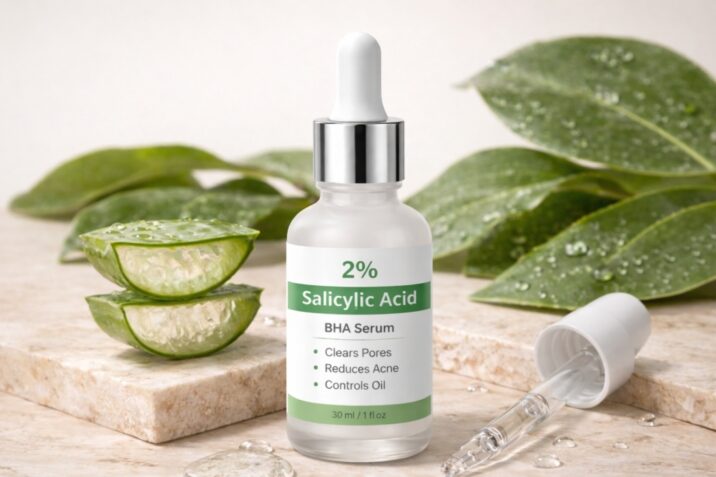
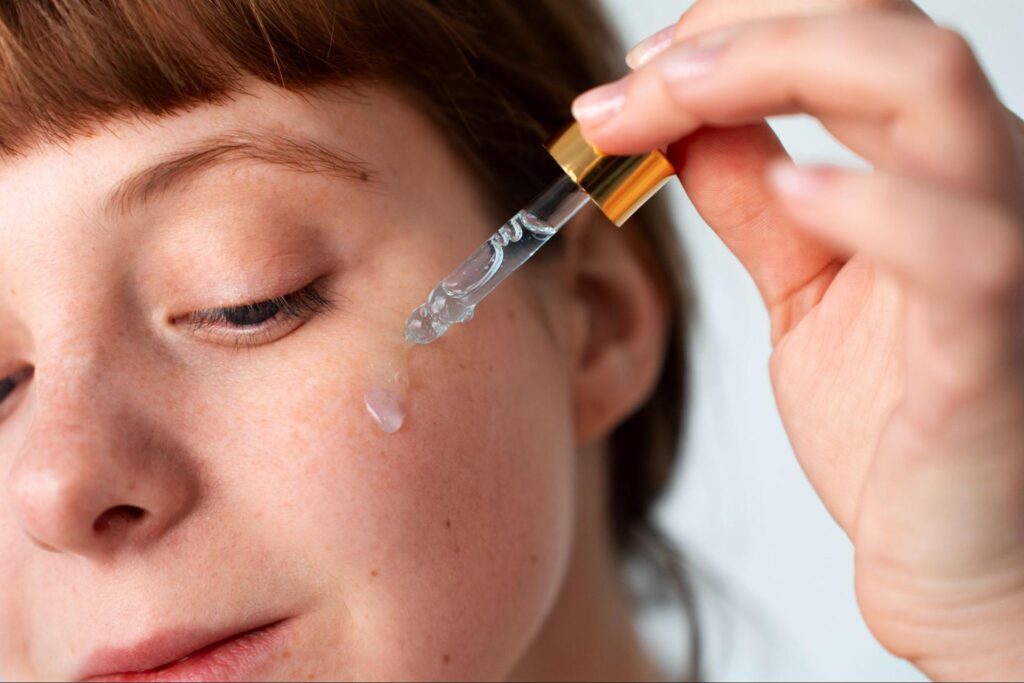
Serums are concentrated versions of active skin care agents designed to let the chemical be quickly absorbed into your skin. Serums with salicylic acid have about 2% concentration. You can ideally use them before moisturising and after cleansing. Some salicylic acid serum benefits include deep pore cleaning for acne problems.
Cleansers
Cleansers are a good entry point if you’re cautious about side effects, because salicylic acid is used briefly and then rinsed off (follow the label directions on how long to leave it on before washing off). Even with this short contact time, clinical studies show acne cleansers can reduce acne lesions, so they’re not too mild to work with. With consistent daily or near-daily use, they can help keep pores clearer and manage the oil-and-dead-skin buildup that contributes to breakouts.
Spot treatments
Spot treatments are for those stubborn pimples that just refuse to leave. These offer a higher concentration of salicylic acid, and are only meant to be applied on acne-affected areas. Apply a tiny drop directly to the breakout and reduce redness overnight!
Moisturisers
Salicylic acid is used in light weight moisturizers because it penetrates skin barriers well. It moisturises skin without clogging pores or making it feel too greasy. In a way, you get moisturisation and anti-acne action in the same product!
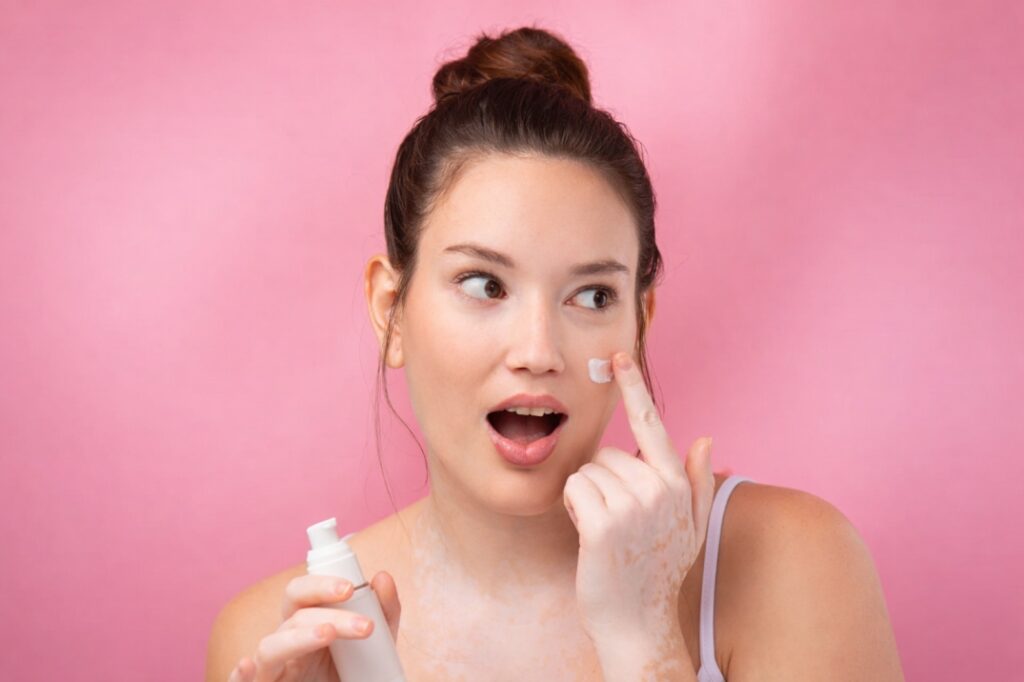
Shampoos
Salicylic acid is not only used in skincare products, it shows up in shampoos too! If you are struggling with dandruff or an oily scalp, a shampoo with salicylic acid is all you need. It exfoliates the scalp in the same way that it exfoliates the skin – making it less flaky, and reducing dandruff.
Conclusion
If you are dealing with oily skin, breakouts, or clogged pores – there’s a salicylic acid product out there that’s made just for you.
It helps tackle the root issue behind many breakouts, including buildup inside pores (oil + dead skin + debris). As a result, the effects tend to be gradual and cumulative rather than instant.
It addresses the root causes and will gradually make your skin healthier. Start slow, give it time, and your skin will thank you for it.
Want to know more about salicylic acid uses in skincare? Then, head over to talk with our AI-powered chatbot, Dewi!
FAQs
1. Can we use salicylic acid for warts?
Yes, salicylic acid is used for wart treatment in higher concentrations. It works by exfoliating thickened skin layers gradually, helping the wart peel away with consistent use.
2. What is salicylic acid used for?
Salicylic acid is used to treat acne breakouts, moisturise skin, treat mild inflammation and warts as well. Its usage depends on the product strength and formulation.
3. Can we use salicylic acid and Vitamin C serum together?
Yes, but avoid using them at the same time. Use salicylic acid at night and Vitamin C in the morning to minimise irritation and maintain skin balance.
4. Can I use salicylic acid everyday?
You can but it depends on your skin type and the concentration of acid. Start 2-3 times a week and increase gradually if all goes well.
5. How long does it take for salicylic acid to work?
Oil control and fewer breakouts may appear within one to two weeks. Clearer pores, smoother texture, and acne reduction usually take four to six weeks.