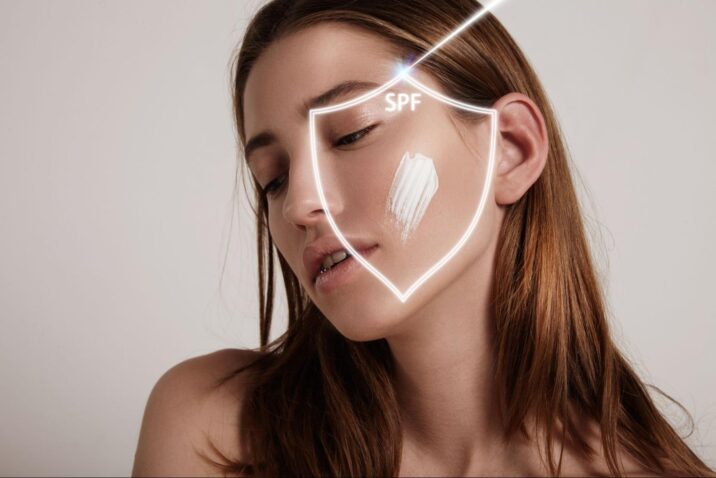
Confused between Gel Sunscreen or Cream? This guide explains the key differences, benefits, and how to choose the right sunscreen for your skin type. Learn which option works best for oily, dry, or sensitive skin so you can protect your skin effectively every day.
No matter how hard you try, your sunscreen just doesn’t seem to sit right on your face. And that constant feeling of clammy skin? That makes those unbearably sunny days downright miserable.
If you somehow do find a sunscreen that doesn’t leave your skin feeling like an oil bucket, then there’s the added task of reapplying it 10 times in a day. That too without any guarantee of actual protection (bye-bye SPF). And honestly? That’s just too much work.
But here’s a little secret that’s going to make your life much easier: There is a sunscreen out there that neither results in a sticky texture nor vanishes the moment you start actually enjoying the sun. One that has a strong SPF too.
You just need to find the right fit for your skin. Let’s find out which sunscreen’s the best for you – gel based or cream based sunscreen:
Key takeaways
- Sunscreen protection depends on the filters used and not on the texture or format of the cream.
- Gel sunscreen suits oily and acne-prone skin, while creams work for dry or sensitive skin.
- Humid weather calls for lighter formulas, while colder climates need richer, hydrating ones.
- SPF depends on the formulation and UV filters and not on whether the sunscreen is gel or cream.
- Comfort, finish, and compatibility with your routine of sunscreen matter just as much as protection.
Table of Contents
The sunscreen spectrum Meet the sunscreen family
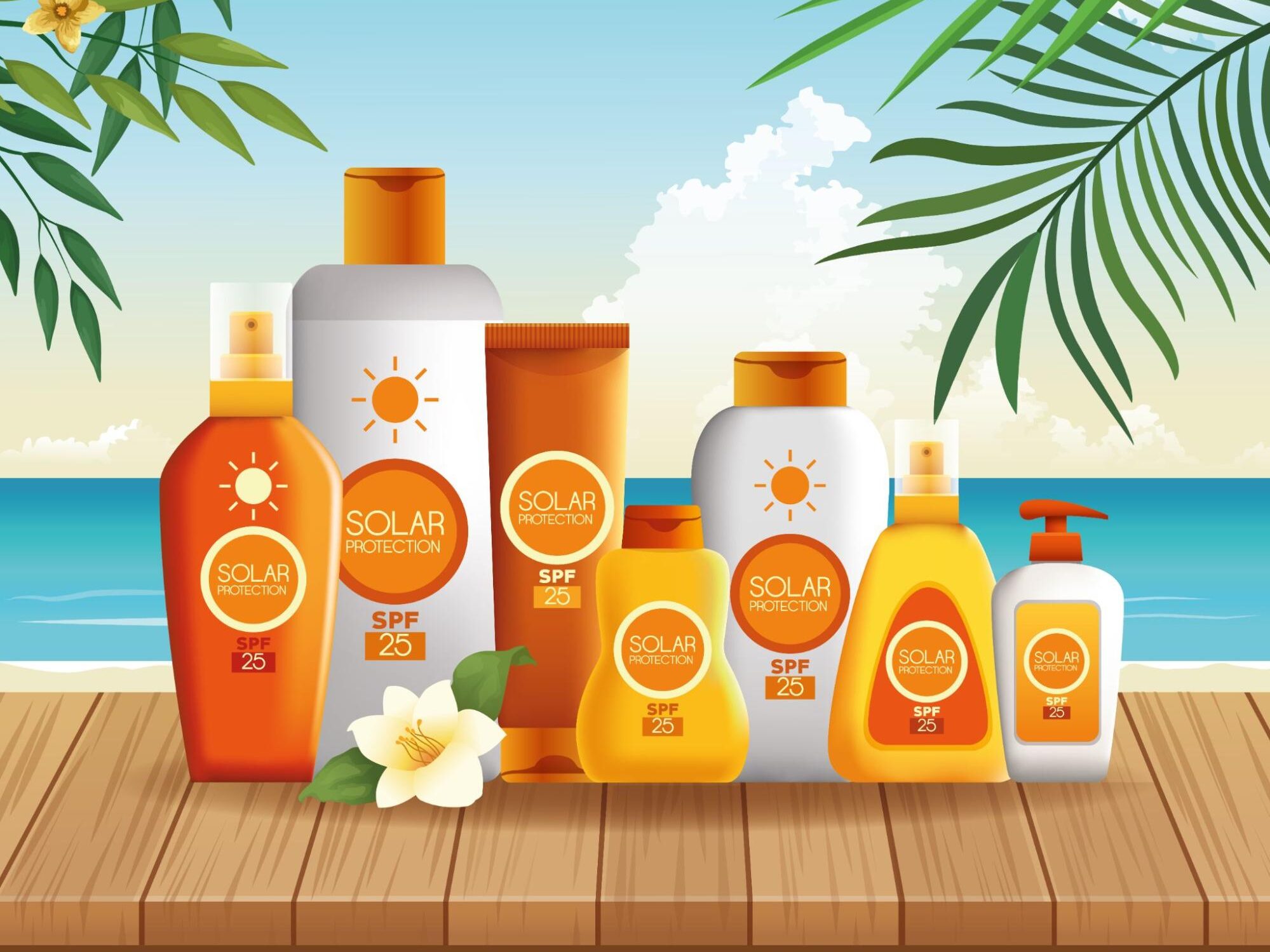
Let us make this one thing clear: You can’t just slap on any sunscreen on your face and think you are doing your skin some huge favour. Believe us, not every sunscreen is for you.
Sunscreen for oily skin has a completely different formulation than the one for dry skin. And the same goes for combination or sensitive skins. Wondering what these different types of sunscreens are? Let’s make that simple for you:
A. Based on ingredients
1. Mineral sunscreen
- Contains zinc oxide/titanium dioxide
- Sits on your skin and reflects about 5% of UV rays
- Works immediately upon application
2. Chemical sunscreen
- Contains oxybenzone/avobenzone
- Absorbs UV rays and convert them into heat
- Immediately gets activated and provides protection
B. Based on formulation
1. Gel sunscreen
- Format: Water/Alcohol-based
- Texture: Lightweight and non-greasy
- Special feature: Leaves no white cast and feels cool on the skin
- SPF: Gel sunscreen SPF 30 or 50 with broad spectrum offers strong protection
2. Cream sunscreen
- Format: Emollient-based
- Texture: Thick and heavy
- Special feature: Provides deep hydration and nourishment
- SPF: Cream sunscreens with high sun protection factors works effectively
The decision of which sunscreen to use depends heavily on the formulation of your sunscreen. Let’s learn about them in a little more detail to help you decide which one’s the best for you:
Gel vs. cream sunscreen: The skincare showdown
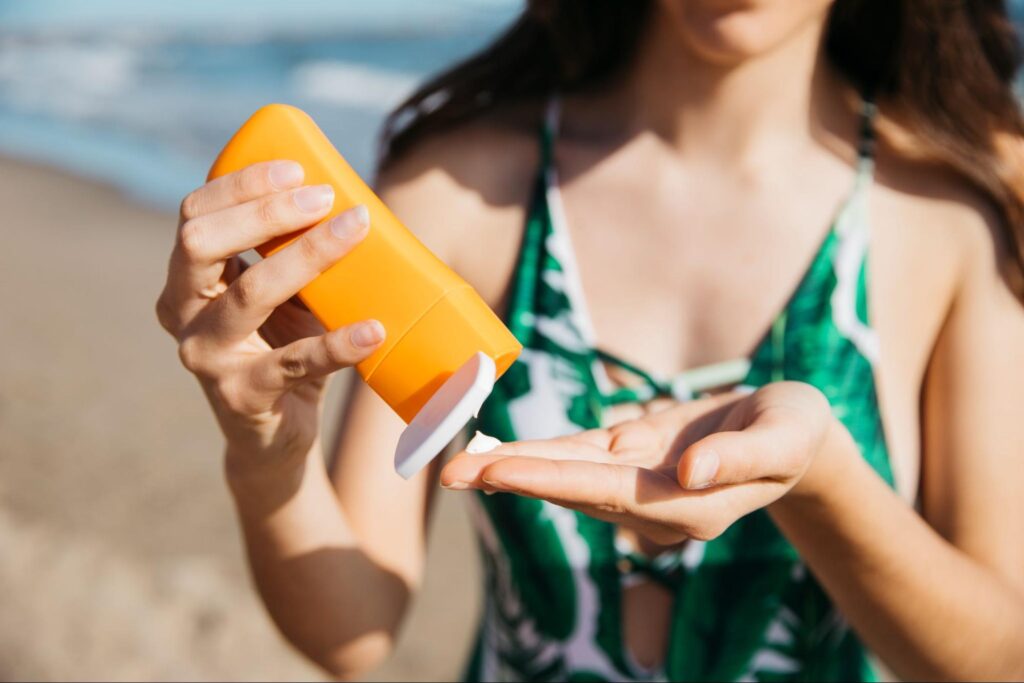
Sunscreen cream for dry skin would be a lot more suitable than using the same for oily skin. And similarly, gel sunscreen would work wonders for oily skin. All of this magic is hidden behind how both forms of sunscreen are made up.
Let’s break down each of them:
Gel Sunscreens: The saviour of oily and acne-prone skin
As mentioned above, gel sunscreens are water or alcohol-based. As a result, they are absorbed by your skin quickly. Gel sunscreens save your skin from clogged pores while also giving an amazing SPF protection.
Hence, oily skin and sunscreen gel are the unstoppable duo of skincare. Gel sunscreens even work great for acne-prone skin by giving pores the much-needed space to breathe. That’s because their light-weight texture saves pores from additional congestion.
Some gels are silicone-based as well, giving you a silky and primer-like finish.
Cream sunscreens: The dry skin and cold weather champ
Cream sunscreen is one of those amazing innovations that solves two problems with one move. Skin feeling a little flaky even after moisturizer? Go for cream sunscreens. Want longer lasting skin protection that doesn’t give out in cold weather? You guessed it, go for cream sunscreen.
Hence, sunscreen cream for combination skin or dry skin is a match made in heaven. That’s because these are heavy in emollients – substances that help in retaining and locking in moisture. Deep hydration and strong SPF all wrapped up in a single package? Yes, please!
Which sunscreen should I use?

Here comes the most crucial question: which sunscreen does your skin absolutely despise and which one does it actually want? It’s time to stop falling for pretty packages and strategically placed words, focusing on the real aspects that actually matter.
Wondering which sunscreen is the best sunscreen for oily skin: gel or cream? Here are the two secrets you need to know to choose the right one:
1. Your skin type
Whether your skin’s drier than the sahara, or produces enough oil to power a deep-fryer, no one knows it better than you do. Knowing your skin is your most powerful weapon in sun protection. Why? Because it plays a major role in choosing the right sunscreen.
Cream-based sunscreen is perfect for dry, combination, and sensitive skin while silicone sunscreen gel works for oily or acne-prone skin. Though, combination skin types can benefit from both types.
2. The weather
The small talk on weather conditions that you absolutely despise? It’s time to start taking interest in them. That’s because having an idea of the weather before putting on a sunscreen can actually save you hours worth of discomfort. It’s because weather conditions greatly affect your choice of sunscreen.
The much-loved gel sunblock for oily skin can be used for dry or combination skin if the weather outside is hot and humid. Whereas in cold weather that strips your skin of its moisture, cream sunscreen becomes a saving grace for every skin type.
Which sunscreen offers more sun protection?

Sun protection depends on the level of SPF your sunscreen has. The fact that whether it’s a gel or a cream based one usually plays zero role in sun protection.
Sunscreen cream for combination skin will be as effective in deflecting UV rays as a gel one for oily skin. All you need to look for is the label of ‘SPF 30’ (blocks around 97% of UVB rays), ‘SPF 50’ (Blocks about 98% of UVB rays)’, or PA++++ rating (the highest UVA protection rating). Also, go for broad spectrum sunscreens as they protect against both UVA and UVB rays. This study shows that broad spectrum sunscreens can significantly help in photoprotection.
Conclusion
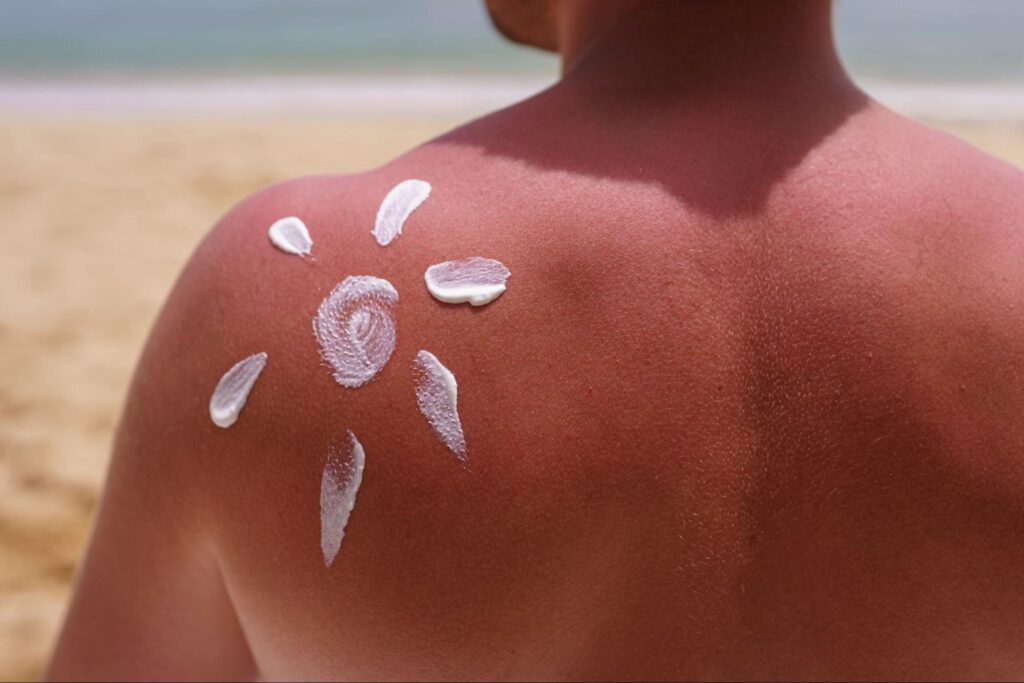
If you do not want your skin to be in the same league as that of your next-door grandma’s, then stop treating your sunscreen just like any other cream. Because let’s be honest, sun protection is no joke and neither is your comfort. According to Harvard Health, sunscreens result in reduced chances of skin cancer by 40% over four years.
We have settled the ‘sunscreen: gel vs cream’ debate for you so that you can choose one based on your own judgement. Pick one that offers both sun protection and a balanced partnership to your skin.
But even after knowing the differences between the two, it can be tough to narrow down to one sunscreen from the widely available options. To get additional support, chat with Dewi and get personalized suggestions.
FAQs
1. Is gel or cream sunscreen better?
Gel sunscreens are better for oily or acne-prone skin, while cream sunscreens suit dry or normal skin. The ‘better’ option depends on your skin type and environment.
2. Does a cream sunscreen give more protection than a gel sunscreen
No. Protection depends on the SPF rating and UV filters used and not on the format. Both gel and cream sunscreens can offer equal protection if formulated correctly.
3. What is the difference between gel and cream sunscreen?
Gel sunscreens tend to be lighter as they are water based while cream sunscreens are heavy and thick due to high amount of emollients.
4. Should sunscreen choice change with seasons?
Absolutely. Lightweight gels work well in summer, while cream-based sunscreens help protect the skin barrier during colder months.
5. Which one is water resistant sunscreen: gel or cream?
Water resistance depends on the formula, not texture. Both gel and cream sunscreens can be water-resistant.