Introduction
Festive season, slow mornings, and soft sunshine – winters bring everything you love. But just because you like winters doesn’t mean your skin does too. In fact, during winters, your skin gets into a battle with dryness, and often comes out on the losing end.
The results? Chapped lips, cracked elbows, and dull, tired-looking skin. But the silver lining here is that you can save your skin through a nature-based winter skincare routine. One that relies on gentle, natural moisturizers to restore and protect your skin barrier.
Confused about what your winter routine should look like? Then read on to know about how natural moisturizers can help fight skin dryness during winters:
Key takeaways
- Moisturizers strengthen your skin barrier and prevent moisture loss during harsh winter conditions.
- Natural moisturizers nourish and work harmoniously with skin to support long-term health and resilience.
- Consistent moisturizing balances oil production and protects the skin’s microbiome barrier health.
- Unlike serums or oils, moisturizers seal hydration, and offer complete care rather than single-purpose benefits daily.
- Ingredients like shea butter, aloe vera, jojoba oil, and Natural Moisturizing Factors (NMFs) support natural moisture retention effectively.
Why do you need moisturizers?
You might think that you need moisturizer just to smoothen your skin, but that isn’t true. Moisturizers do much more than just that.
To understand the importance of moisturizer for your face, let’s first understand how the skin actually works:

Water: The war hero
According to studies, the not-so-hidden secret that’s been prepping your skin for harsh climatic conditions is water.
Stratum corneum (the outer-most layer of skin), requires moisture content or water for proper functioning. Water enables natural exfoliation, keeps acne in check (yes, moisturizers actually prevent acne), and reduces dryness of skin in winters.
NFMs: The moisture magnet
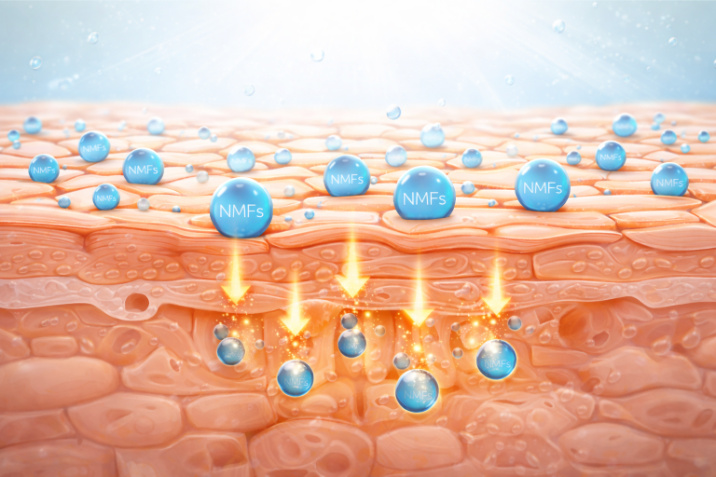
To keep this much-needed moisture retained, your skin has Natural Moisturizing Factors (NMFs) such as amino acid, lactic acid, urea, and Pyrrolidone Carboxylic Acid (PCA).
Your skin craves a perfect balance of water and NMFs. But during harsh weather, that balance is thrown off and your skin goes into full crisis mode. That’s where moisturizers rich in ingredients having similar properties to NMFs step in. They help restore balance and retain moisture effectively.
The role of moisturizers
To help your skin get that much-needed moisture in winters, you need to use moisturizers.
But ensure that the ones you are using are suited for your skin. That’s why the best winter face moisturizers are natural ones. They are safe, effective, and suitable for most skin types. Let’s take a detailed look at their benefits:
Benefits of natural moisturizers
During winters, your skin starts practically screaming for its moisture needs through flaky, irritated, and dehydrated skin. That’s when you need to step in and save your skin through moisturizers.
But not all moisturizers deserve to be applied on your skin. This is where natural moisturizers step in as your saviour. Here’s a breakdown of why you should go for them:
1. Effective without irritating your skin
A study showed that even though topical products provide temporary relief, they can disrupt the natural barrier of skin. So, it becomes more important than ever to look for the best natural moisturizers for dry skin or any other skin type.
That’s because the natural ingredients are both effective and highly skin-friendly.
2. Environmental-friendly
Nature shouldn’t be paying the cost of saving your skin. Choosing natural products ensures that doesn’t happen. That’s because these use sustainably sourced, biodegradable ingredients and eco-friendly practices.
These ingredients are not only safe for your skin but your environment too. A moisturizer that loves your skin and the Earth? Now, that’s a win-win.
3. Long term skin health
Your skin doesn’t need instant solutions. Rather, it deserves consistent care through natural products such as aloe vera moisturizers that support it over time.
According to recent studies, some products may even increase the risks of eczema and asthma in the worst case scenario. This is where natural ones become a trusted companion. That’s because they result in gentler, more consistent care that supports the skin barrier without disrupting its natural balance.
Best natural moisturizers to protect your skin
If you think you need complex substances to revive the beloved glow of your skin, then you are in for a surprise. Because sometimes the most beneficial ingredients are hiding in plain sight and can even be found at your home.
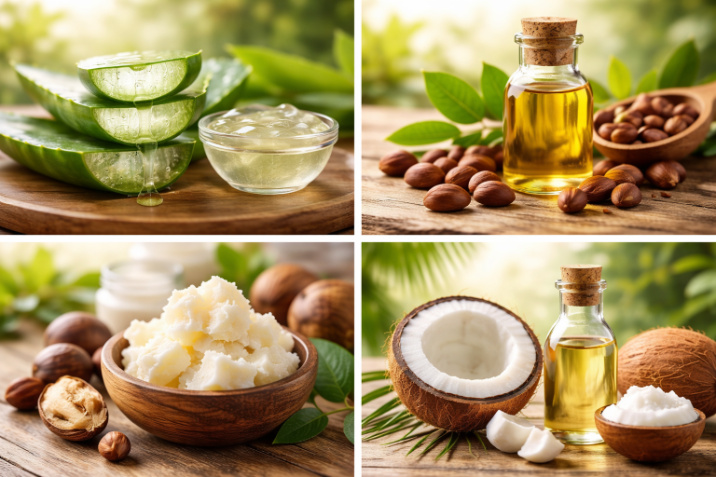
And if any of them could make the cut for ‘the best natural moisturizer for face at home’, it would be these:
Coconut oil
Coconut oil might just as well be the best one when it comes to reviving dry skin. With its antioxidants and anti-inflammatory properties, it provides much needed healing and moisture to dehydrated skin.
Coconut oil, like aloe vera moisturizer, is best suited to be used as a part of your night-time routine and helps the skin barrier to rebuild overnight.
Shea butter
Shea butter is one of those blessings in disguise that your skin is going to love. Because its gentle, non-comedogenic, deeply hydrating properties make it ideal for all skin types. This includes even sensitive ones.
Though when it comes to kokum butter vs shea butter, kokum butter is better suited for sensitive skin and shea butter is better for dry skin.

Jojoba oil
If anything comes really close to the natural substances released by your skin, its jojoba oil. Because it has very similar properties to sebum (natural oil) that your skin produces.
And the biggest surprise? It even has antimicrobial and anti-fungal properties, making it an ideal ingredient. Moreover, it gets easily absorbed by the skin which makes it suitable for almost every skin type.
Aloe vera
Our list would be incomplete without the most useful ingredient: aloe vera moisturizer. This easy-to-grow plant has a high amount of anti-oxidants and vitamins. Along with that, it tends to be rich in healing and anti-inflammatory properties.
It can even be helpful to treat sunburns, making it an indispensable part of your routine.
Conclusion

During winters, your skin becomes hungry for your attention and care. And the best way to feed it is through natural, toxin-free products.
Because natural moisturizers help keep that pesky skin dryness during winters at bay while also strengthening it for the long-term.
They work in harmony with your skin’s natural barrier and lock in moisture without overwhelming it. With consistent use, they build healthier and more resilient skin that stays comfortable long after winter fades.
So, by leaving your skin in the trusted hands of natural moisturizers, you can focus on the good parts of the winters without worrying about your skin breaking at any moment.
But choosing the right natural moisturizer according to your skin can be tough. Chat with Dewi to get a clear understanding of what works for your skin and what doesn’t.
FAQs
1. Should I use a moisturizer daily even if my skin feels oily?
Yes. Moisturizers balance oil production, prevent dehydration, and protect oily skin from barrier damage daily.
2. Can natural moisturizers prevent breakouts during winters?
Yes, natural moisturizers reduce irritation, support barrier health, and prevent dryness of skin during winters. All of these result factors reduce breakouts.
3. How is a moisturizer different from a serum or facial oil?
Moisturizers seal hydration while serums target concerns. Oils, on the other hand, mainly nourish without locking moisture effectively.
4. Which natural ingredients are the best for repairing the skin barrier in winter?
Shea butter, aloe vera moisturizer, jojoba oil, and NMFs repair skin barrier and retain moisture effectively.
5. How long does it take to see results after switching to natural moisturizers?
It depends on your skin type and the moisturizer you use. But generally with consistent use, visible improvements in hydration and comfort appear within two to four weeks.