Curious if peptides are the best anti-aging alternative? Read about their skincare benefits, collagen-boosting effects, and why experts recommend them.
Aging is something that we’ll all undergo in our lives. Wrinkles and fine lines will eventually catch up to every face out there.
But nowadays, our lifestyles have been silently contributing to premature aging. Factors like blue light, UV exposure, and bad diets are all making you look much older than you are!
And even if it’s due to your age, who likes wrinkles? So, people turn to anti-aging solutions. Botox is a popular one, but not everybody is a fan of a young but paralysed face. Thus, non-invasive alternatives like peptides and retinol are popular.
The anti-aging world is a bit of a jungle. There are multiple options and little clarity that’s available. So, are peptides the best anti-aging alternative out there?
Well, that’s what we’ll try to explore in today’s blog. Let’s get right to it:
Key takeaways
- Peptides are amino acid chains signaling the skin to boost collagen and elastin while relaxing facial muscles.
- They strengthen skin barriers, reduce dark circles, and improve texture.
- Unlike retinol’s forced cell turnover, peptides work gently with skin’s natural processes, making them suitable for sensitive skin.
- Vitamin C excels at brightening and antioxidant protection, retinol delivers fastest results, and bakuchiol offers a natural gentle alternative.
- Peptides and plant-based alternatives provide non-invasive options to botox, making anti-aging accessible without needles.
Table of Contents

What are peptides?
Peptides are short chains of amino acids that act as building blocks for proteins like collagen and elastin. They act like messengers to the skin when applied – promoting collagen production, and some even relax facial muscles, minimising fine lines and keep you looking young.
What are some peptide uses for skincare?
One important part of understanding the role of peptides for skin comes with knowing how it actually helps! Peptides are multi-taskers.
It boosts collagen, reduces wrinkles, and dark circles – and also strengthens the skin barrier. Let us dive into benefits of peptides for skin in detail:
Boosts collagen
As we age, the collagen production in our skin drops and it starts feeling less plump and looser. That’s exactly where peptides come into play, signaling your skin to boost collagen production and making your skin smoother and younger. Collagen peptides creams are designed to deliver these very benefits to your skin.
Reduces wrinkles
Using peptides for face relaxes your muscles. It’s like a gentler, more affordable version of botox. They don’t paralyse, but smoothen out the expression lines (such as the ones on your forehead). Face cream with peptides are a good alternative when you are looking for an affordable and go-to solution for wrinkles.
Strengthens skin barrier
Peptide cream helps reinforce your skin’s barrier by promoting collagen, which holds up your skin structure. When applied topically, it lets your skin prioritise the mending of the protective barrier, reduces redness, and helps irritation.
Reduces dark circles
Got dark circles? Peptides help with that too! They inhibit melanin and reduce pigmentation while also firming up the texture. Peptide under eye creams help you regain brightened under eyes, giving you a more youthful look.

Why do peptides skin care stand out?
So what makes peptides special when compared to other anti-aging agents? Well, it’s because they don’t force your skin to do anything. They just speed up your skin’s natural processes. Here’s how they stand out from the rest:
Gentle on skin: Peptide creams are gentle and work for pretty much everyone. This includes people with sensitive skin and pregnant women who cannot use retinoids.
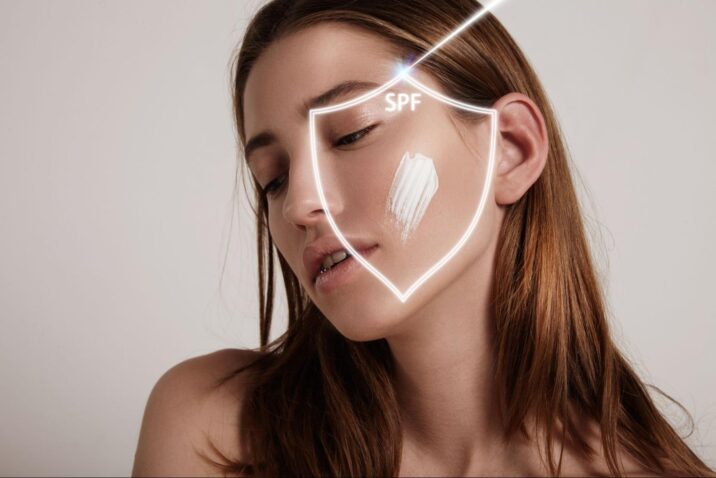
Sun-safe: Doing peptides skincare doesn’t affect sun sensitivity and they’re safe to use during the day too. Unlike their retinoid counterparts, which make the skin vulnerable to UV rays.
No ‘peptide purge’: They work quietly and consistently and cause no purge on your skin. You don’t just wake up one day with red and irritated skin when you use peptides.

Peptide alternatives
Peptide is good, but it’s not the only player in the field! Each anti-aging alternative has its own strengths and weaknesses. Let’s explore some more options:
Retinol
Retinol is basically the OG of anti-aging skincare and is derived from vitamin A. Retinol can reduce your fine lines, improve skin tone, and can even out pigmentation. It works by accelerating cell turnover (the process of producing new cells and replacing old ones).
But retinol can be harsh. When it starts working, you usually have a ‘retinoid purge’ – a state of increased dryness, redness and even breakouts. It increases UV sensitivity and isn’t suitable for sensitive skin.

Bakuchiol
Bakuchiol can be understood as ‘nature’s retinol’. It’s a plant based ingredient, taken from the seeds of the Babchi plant and has been used in Ayurveda for centuries. Bakuchiol is gentler than retinol but provides the same benefits.
It is taken well by sensitive skin, and doesn’t make you vulnerable to UV rays like retinol does. Bakuchiol stimulates collagen production, cell turnover, and also has anti-oxidant and anti-inflammatory properties. But as compared to its alternatives, it’s far less researched upon.
Vitamin C
Vitamin C is a powerful anti-aging product that also has anti-oxidant properties. It helps maintain the skin’s elasticity, firmness, volume, and reduces sagging as well.
Applying a vitamin C serum in the morning helps you with maintaining a youthful skin and also neutralises the harmful effects of UV rays and pollution. But when you use it during the day, a layer of sunscreen is a must. Also, using vitamin C can result in breakouts if you’ve got acne prone skin.
Comparing various peptide alternatives
Now that we’ve got an understanding of peptides and its alternatives, it’s time to compare them – helping you determine which one is the best for you:
Peptide vs retinol for anti aging
We’ve talked much about peptides now, yet the question remains – are peptides better than retinol?
Well, there is no definite answer for that. Retinoids show faster results, but they include higher sensitivity to the sun, and can only be used at night. Also, pregnant women and sensitive skin cannot tolerate it. On the other hand, peptides suit most skin types and are safe to use anytime.
Peptide and bakuchiol
Bakuchiol is a good alternative when you are looking for something natural with anti-inflammatory and anti-oxidant properties. But unlike peptides, bakuchiol is not supported widely by research and can cost more than basic serums due its ‘premium-natural-alternative-to-retinol’ image.
Peptide and vitamin C
Both are well-researched solutions to anti-aging but vitamin C takes the win when talking about hyper-pigmentation issues, skin brightening, and under eye usage. But vitamin C is not an ideal for sensitive skin. So, peptides might be a safer option if you’ve got sensitive skin.
Conclusion
So, are peptides the best anti-aging alternative out there? Well, it depends on what you are looking for.
Peptides are a safe-for-everyone, gentle alternative that works consistently. They don’t cause purges to let you know they are working, as if they are a quiet friend who’s always there for you.
For pregnant women and people with sensitive skin who are also struggling with wrinkles and fine lines – it’s a brilliant option. It is also safe to use during the day! However, if you are looking for fast results, retinol might be your best bet. It all depends on your skin type and what you want.
For more insights into peptides for skin benefits and other anti-aging alternatives talk to Dewi, our AI-powered chatbot!

FAQs
1. How do peptides and ceramides work together?
Peptides work to boost your collagen production while ceramides focus on preventing moisture loss and strengthening the skin barrier. Both work together to make your skin more youthful and smoother.
2. Can you mix peptides with vitamin c during skincare?
Yes, they actually go well together. Apply vitamin C for brightening and then layer peptides over it for collagen boosting benefits. They work through different mechanisms, so there is no interference.
3. How to use peptides in skincare routine?
Apply peptide creams or serums after cleansing and before moisturising in your skincare routine. Peptides work the best on clean but slight damp skin. You can use them in the morning too without worrying about sun sensitivity.
4. What are the best peptides for skin?
Best peptides include matrixyl (Palmitoyl Pentapeptide-4) which boosts collagen, argireline (Acetyl Hexapeptide-8) which relaxes facial muscles, and copper peptides which repair elasticity.
5. Are peptides effective for all skin types?
Yes, peptides work across all skin types including sensitive skin, dry, combination, and acne-prone skin. They’re excellent for prevention and maintaining collagen levels.