Want brighter skin? Glycolic Acid helps fade tanning, exfoliate dead skin cells, and reveal smoother, glowing skin with regular use.
Not your ordinary tan that fades by itself, but a stubborn one which starts living on your face rent-free. Sick of it, you google ‘how to remove tan’, and you come across glycolic acid.
Glycolic acid is a popular and well-researched skincare agent, and one of its primary glycolic acid cream uses is detanning. No matter if it’s hyper pigmentation or spots from years of tanning, it helps!
But how does it actually work?
In this blog, we will see the what, how, and why of glycolic acid. Let us dive right in:
Key takeaways
- Glycolic acid is an AHA (alpha hydroxy acid) which chemically exfoliates the skin and removes tanning by shedding the dead cells.
- Other glycolic acid uses include increased collagen, an even skin tone, and even anti-ageing benefits.
- Start with low concentration products and use them 2-3 times a week and gradually increase the frequency.
- Always pair it with sunscreen application, if used during the day.
- Potential side effects are irritation of the skin, especially for sensitive skin and increased sensitivity.
Table of Contents
What is glycolic acid?
Glycolic acid is a naturally derived AHA (alpha-hydroxy acid) which comes from sugarcane.
AHAs are water-soluble agents which generally work on the surface skin as opposed to BHAs, which are oil-soluble acids and go deep inside the skin.
But glycolic acid is no ordinary AHA. It has a very small molecular size which allows it to penetrate well into the skin and exfoliate.
Think of it as a superhero whose superpower is removing tan!
Over-the-counter products containing it usually have a 5% to 10% concentration. Professional treatments can have a concentration even exceeding 30%.
But those fall in the dermatologist-only territory, not to be used without prescriptions.
Now, let us look at how glycolic acid helps with detanning:
How does it help with detanning?
The tan is essentially excess melanin pigment that has been pushed up to your skin’s surface layers. Glycolic acid works by speeding up the shedding of these pigmented surface cells, revealing the fresher, less pigmented skin underneath.
What glycolic acid does is simple exfoliation – it basically just dissolves the glue that holds your tanned skin together.
And unlike physical exfoliants that might feel like rubbing sandpaper on your skin, glycolic acid does this all gently. It penetrates the skin better than other AHAs (due to its size), gets rid of dead cells, and unclogs the pores.
All this reveals fresh, untanned skin and gives your natural skin tone back.
Beyond detanning: What does glycolic acid do to the skin?
Glycolic acid is used primarily as a chemical exfoliant which defeats tan, but it has many more benefits!
Other glycolic acid benefits for skin are promoting an even skin tone, and reducing fine lines by inducing your natural collagen production. Plus, it also unclogs pores which means lesser breakouts and clearer skin.
One can say that glycolic acid is a whole package providing detanning, skin brightening, and anti-ageing benefits too!
How to use glycolic acid in skincare?
Now you are aware of the what and why of glycolic acid. This section will tell you the ‘how’!
Let us look at how to choose a product, how to use it, and what not to do:
Choose your product
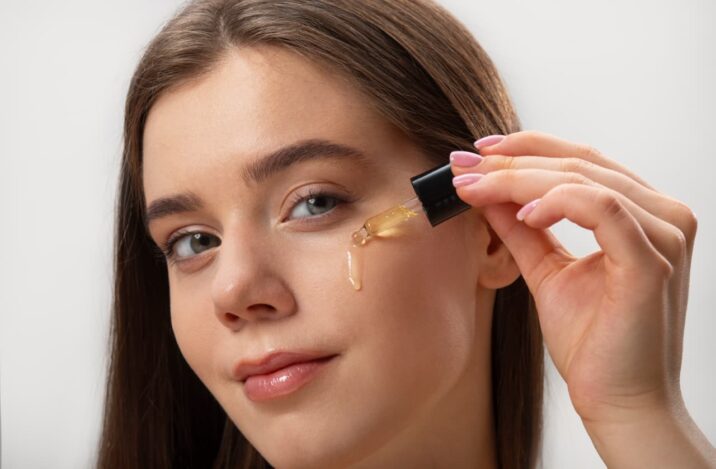
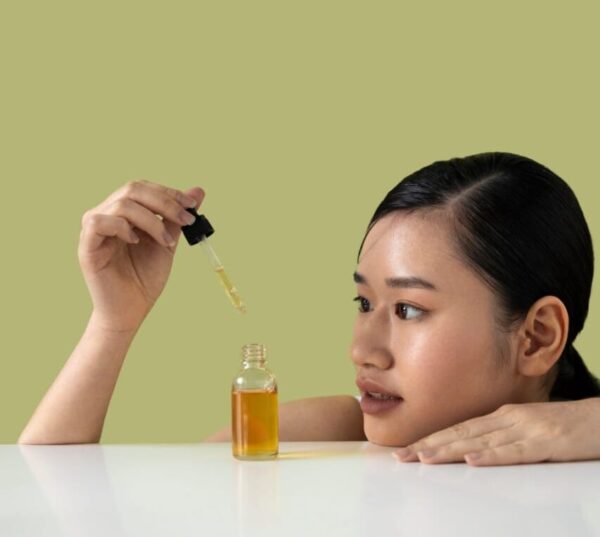
Glycolic acid is an essential skincare ingredient and is present majorly in all forms of skincare products. It comes in the form of serums, cleansers, and toners.
Cleansers are the gentlest and the best option for beginners. Serums and toners, on the other hand, are more potent and are used for stronger effect.
Choose a product and make sure that you start with a low concentration. This is to make sure that your skin adjusts to glycolic acid well. Also, use moisturiser to prevent dryness.
Mandatory SPF
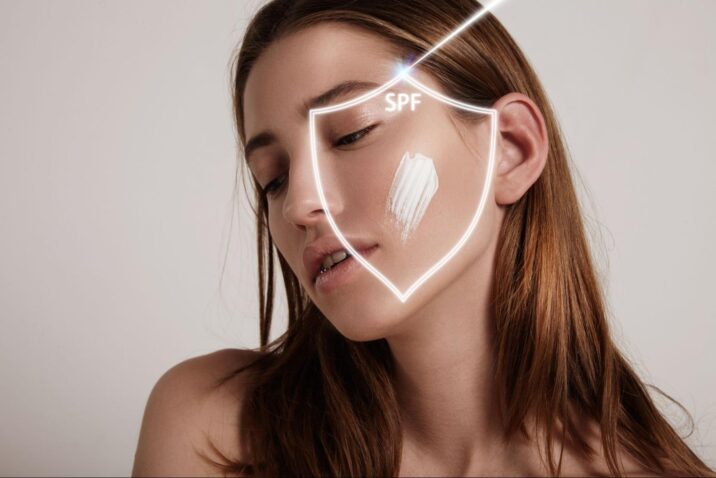
It is not recommended to use glycolic acid during the day. But in case you do, then always wear a layer of SPF after the application.
If you go in the sun without sunscreen, you might get even more tanned as glycolic acid can work against itself, making your skin sun-sensitive.
So, not applying sunscreen might even give you UV damage or hyperpigmentation. It’s best to reapply sunscreen every 2-3 hours when outside, especially when you’re sweating or swimming.
More Great Wellness Stories From dewique
- How to Take Care of Your Skin While Doing a 9-5 Job
- Natural Moisturizers You Should Try This Winter To Combat Dryness
- Oily in Summers and Dry in Winters? 10 Tips for Dehydrated Oily Skin
- Pop it or leave it? How to treat acne without leaving scars
- How to Keep Your Skin Fresh and Acne-Free After Every Workout with Proper Post-Workout Skincare
- Is Winter Pollution Destroying Your Skin? 5 Simple Steps to Pollution-Proof It Now
What not to mix with glycolic acid
Avoid mixing active agents in one routine. You might be in a hurry to get brightened skin, and use glycolic acid and vitamin C together. But it can do more harm than good.
This can become the cause of irritation, inflammation and redness.
If you want to use multiple active agents, do so on alternate days! Don’t burden your skin too much.
Other chemicals to look out for with glycolic acid are salicylic acid, retinol, and benzoyl peroxide.

Glycolic acid cream side effects
Glycolic acid is beneficial for skin, but it certainly isn’t the ‘go-to’ skincare ingredient for everyone out there.
Let us see the potential side effects of glycolic acid on face:
Irritation
Glycolic acid is an effective agent, but it might not be everyone’s cup of tea. Glycolic acid cream for face can cause redness and irritation of the skin when used in higher concentration, specially for sensitive skin.
So what is the solution?
The answer is the ‘start low and go slow’ approach. When you begin using it, start with a low concentration and use it infrequently, like once or twice a week.
This helps test if it is tolerable for your skin. If the results are good, gradually increase the frequency.
Sun sensitivity
Applying glycolic acid can make your skin more sensitive to the UV rays (photosensitivity). When you exfoliate your skin, you remove the outermost protective layer which reveals a fresher but more vulnerable skin from underneath.
It makes your skin prone to redness and sunburn.
Thus, it is advised to only apply it at night. But, if you are applying it during the day, then there’s only one solution – applying sunscreen like your life depends on it (because your skin sure does!).
Conclusion
Using glycolic acid can be an excellent choice to remove tan lines and win back an even skin tone.
It is an ingredient that’s scientifically-backed, and there are numerous other glycolic acid cream benefits like increased collagen production, and preventing breakouts.
While it works amazingly, the tan goes away gradually. It is like an onion being peeled which slowly reveals a fresher layer. It isn’t some instant delete button for the tan.
With dedicated use, choosing the right product, and religious SPF application – you can easily capitalize on its benefits!
Still feeling a little confused regarding glycolic acid? Get more guidance by talking to Dewi, our AI-powered skincare chatbot!
FAQs
1. Can glycolic acid lighten skin?
Yes, lightening the skin is foremost of the glycolic acid serum benefits. The acid exfoliates dead cells which brightens the tone, dark spots and helps uneven pigmentation over time.
2. Can I apply glycolic acid on lips?
Generally, it shouldn’t be used on your lips. The skin on your lips is mucous membrane and very delicate. Use a dedicated lip scrub or lip mask instead.
3. Can I use glycolic acid everyday?
Daily use is not recommended at first. Start with low frequency – 2 or 3 times a week and increase the use if your skin tolerates it well.
4. Can I combine hyaluronic acid with glycolic acid?
Hyaluronic acid pairs well with glycolic acid. This combo hydrates the skin and hyaluronic acid counters the dryness induced by exfoliation.
5. What are some glycolic acid 6 cream uses?
A glycolic acid 6% concentration cream exfoliates dead skin, reduces dark spots, acne marks, and smoothens the skin texture. All this gives you a brightened and younger look.
If you would like to see our shared skincare tips in more formats, please follow us on Instagram, where we share daily tips and useful skincare advice.