Learn if dermaplaning is safe for your skin. Also, discover its benefits, side effects, myths, and comparisons to help decide if it’s right for your skin.
Your skin doesn’t need extra products added to your routine to get back its glow. It just needs to get that stubborn layer of dead skin cells and build-up removed.
And the best way to do that is through dermaplaning. It basically means shaving your face with a sharp scalpel through the help of professionals instead of using simple razors yourself.
But is dermaplaning safe for your skin? Is it actually worth it to put in all these efforts just to get your face shaved?
Let’s explore if dermaplaning actually works or is it just another overhyped instagram trend that can ruin your skin:
Key takeaways:
- Dermaplaning removes dead skin cells and peach fuzz. This instantly improves skin texture and overall brightness.
- It is not a miracle treatment but a supportive exfoliation method usually performed by trained professionals.
- Dermaplaning does not make facial hair grow thicker, darker, or faster after repeated sessions.
- Proper aftercare including moisturizer and sunscreen is essential to prevent irritation and post-treatment sensitivity.
- Those with acne-prone or sensitive skin should consult professionals before adding dermaplaning to routines.
Table of Contents
What is dermaplaning?
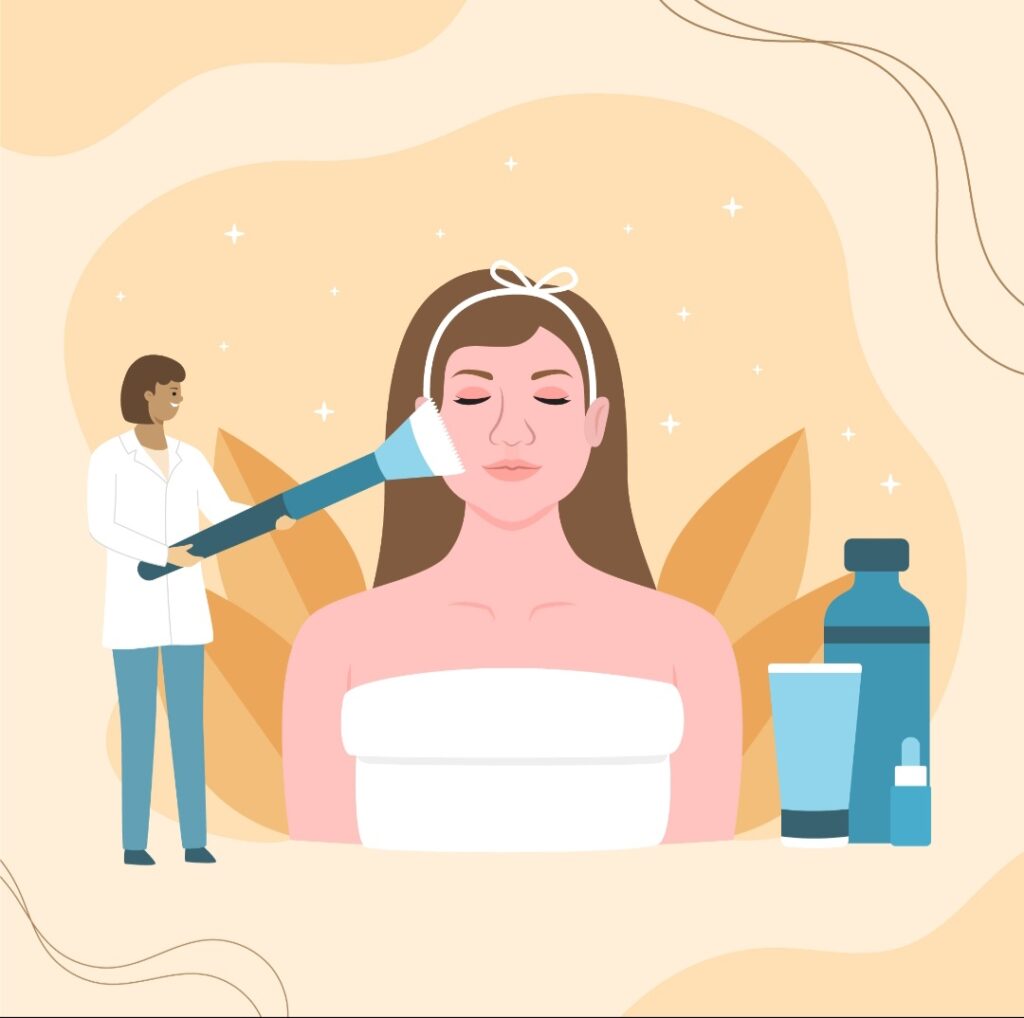
Your skin naturally has all the mechanisms in place required to keep itself healthy and glowing. But sometimes, it needs some additional support to bring out that cherished glow.
Something similar happens with the skin’s natural process of shedding dead skin cells. During this process, our skin removes dead skin cells to make way for new and brighter cells. But with growing age, sun exposure, and other environmental elements, this process doesn’t happen efficiently.
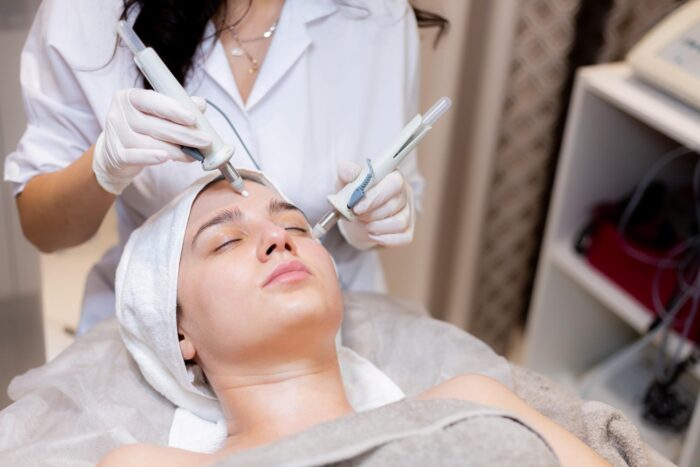
This is where dermaplaning for glowing skin comes into play. Trained professionals help your skin out by gently scraping off the accumulated dirt and dead skin cells on the skin through a surgical scalpel or razor.
What dermaplaning does for your skin
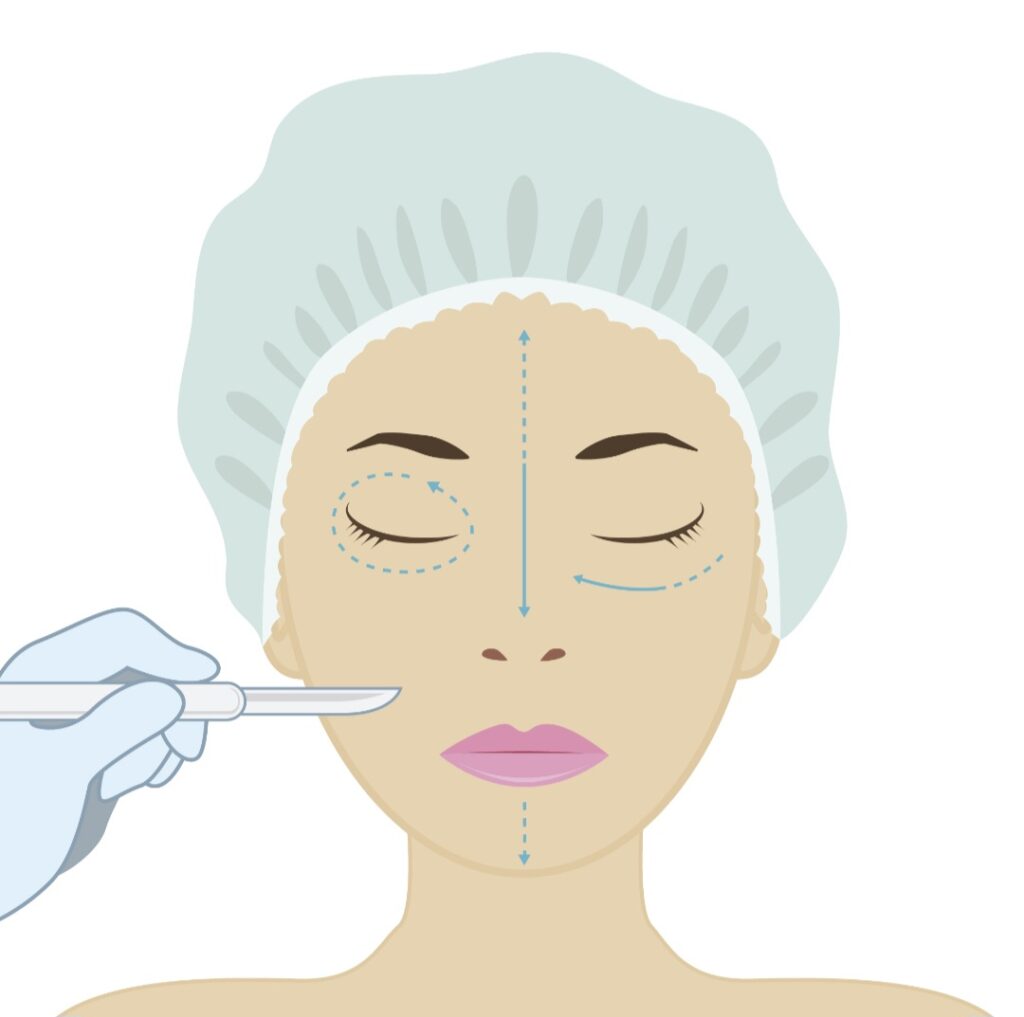
You will be shocked after knowing how much of your skin’s glow is hiding beneath the layer of unwanted hairs and build-up. That pesky layer is what’s making your skin look dull and tired.
That’s why dermaplaning before and after results can feel almost transformative as it gently scrapes off that outer layer of your skin. But this process comes with its own sets of limitations.
Let’s take a look at both the benefits of dermaplaning and its side effects:
A. Benefits of dermaplaning
- Brighter face in minutes
There’s an important event in a few days and your skin has decided to look its worst. Instead of relying on a thick layer of makeup, go for dermaplaning.
Studies have shown that it effectively removes the outer layer of your skin which includes dead skin cells, dirt, and impurities. After which, you get a fresh new layer of brighter and even-toned skin cells. That’s why dermaplaning for anti-aging is gaining so much traction.
- Get rid of peach fuzz
Even after battling with a razor for a long time, all you end up with are a dozen little cuts instead of smooth and hair-free skin.
But dermaplaning for glowing skin gently clears away even the shortest of your facial hair. This saves you from bacteria and little particles of dirt that sit trapped in those hair and leaves your skin looking clearer and smoother.
- Skincare works better
After a session of gentle but deep exfoliation, your skin is freshly prepared with unclogged pores and a smoother surface.
According to this study, your skin absorbs skincare products better without any blockage of clogged pores or fine hairs. Through the correct dermaplaning steps, you can get the best out of your skincare products.
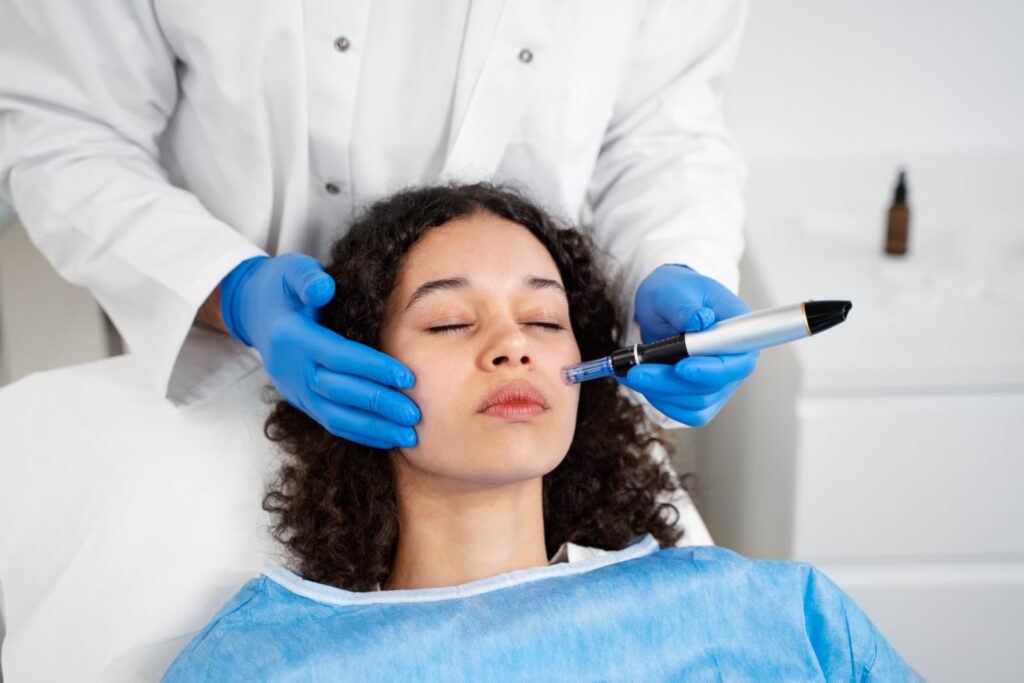
Image courtesy: Freepik
B. Side effects of dermaplaning
- Dry and itchy skin
Dermaplaning removes the topmost layer of your skin. This may leave your skin feeling tight, dry, or itchy. So, if you are wondering ‘what to put on skin after dermaplaning’, go for a lightweight moisturizer and a broad spectrum SPF 30+ sunscreen.
- Mild redness and irritation
The scalpel or the razor that professionals operate with can be hard on your skin. This can make your skin red or swollen after the treatment.
You may also experience a slight tingling sensation or irritation for a day or two.
- Possibility of breakouts
If you are worried thinking ‘can dermaplaning cause breakouts’, then your concern wouldn’t be misplaced. That’s because your pores open up after deep exfoliation, which puts your skin at the risk of breaking out if you already have acne-prone skin.
More Great Wellness Stories From dewique
- How to Take Care of Your Skin While Doing a 9-5 Job
- Natural Moisturizers You Should Try This Winter To Combat Dryness
- Oily in Summers and Dry in Winters? 10 Tips for Dehydrated Oily Skin
- Pop it or leave it? How to treat acne without leaving scars
- How to Keep Your Skin Fresh and Acne-Free After Every Workout with Proper Post-Workout Skincare
- Is Winter Pollution Destroying Your Skin? 5 Simple Steps to Pollution-Proof It Now
Things to know before you go for dermaplaning
Your skin isn’t something you can freely experiment on. Before diving headfirst into any new skincare trend, it is important to know as much about it as you can.
Let’s know a little more about dermaplaning:
Dermaplaning vs shaving: which one is better?
You may think that a simple way to remove your facial hair would be through shaving. After all, it’s quick, simple, and can be done at home. But sometimes, those irritating little hairs can get stubborn.
Dermaplaning easily solves this problem as it is done through professionals that use a sharp surgical scalpel.
Dermaplaning at home vs professional: Which one should you opt for?
While there are at-home kits available for dermaplaning, it is better to leave something to the professionals. The techniques and angles used by professionals cannot be learned from a ‘5-minute tutorial’ video on youtube.
One wrong move and doing dermaplaning at home can even result in deep cuts and intense irritation.
Myths vs facts: What should you believe in?
There are many dermaplaning myths for hair growth that you must have heard about. But they usually do not have any truth to them.
Do not let an instagram post claiming that dermaplaning makes your hair regrow thicker stop you from letting your skin enjoy its benefits. Because dermaplaning plays no major role in how your hair behaves.
Another misconception about dermaplaning is that this process causes a lot of pain. But fortunately, that is not the case. When done using the right techniques, this procedure causes minimal to almost no discomfort.
Conclusion
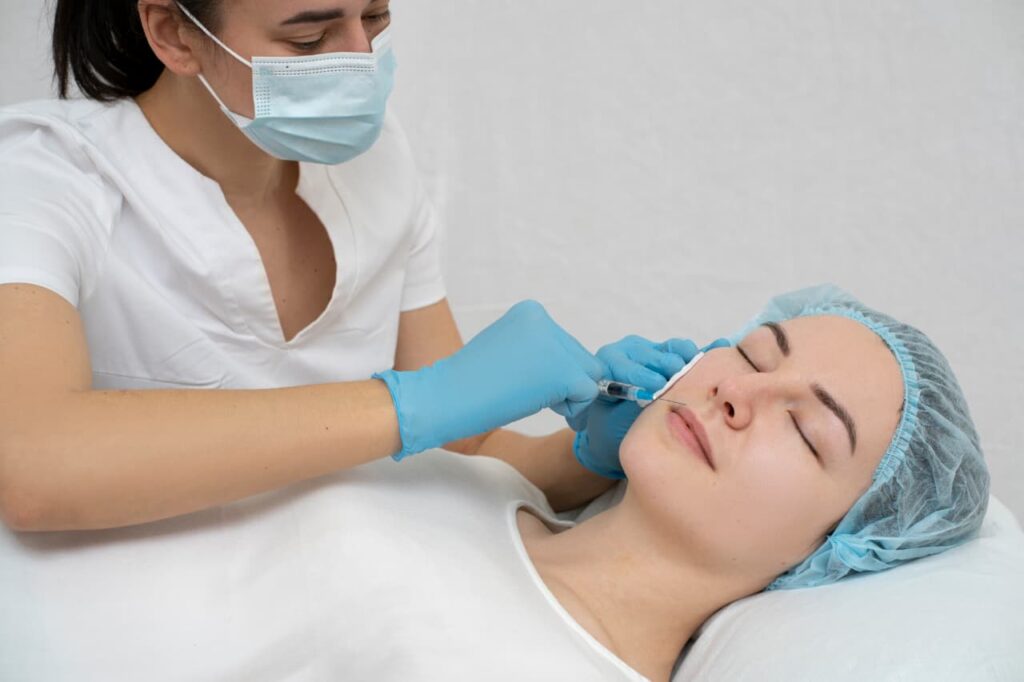
In short, dermaplaning isn’t just an overhyped social media trend. But that also doesn’t mean it’s a shortcut to overnight skin perfection.
When done right by professionals, dermaplaning side effects are minimized and it simply acts as a reset button for your skin. It helps remove the build-up and lets your natural glow actually show up.
That being said, dermaplaning isn’t something that can work for every skin type. Steer clear if you have highly sensitive or acne-prone skin.
Still not sure whether you should make that dermaplaning appointment or not? Chat with Dewi, your own AI skincare assistant, to know in detail if dermaplaning will work for your skin or not.
Frequently asked questions
Dermaplaning improves skin texture and brightness. But it does not treat deep acne scars or pitted scars directly.
Dermaplaning can suit sensitive skin if done professionally. But patch testing and proper aftercare are essential.
Most professionals recommend dermaplaning once every three to four weeks. This timeframe aligns with your skin’s natural renewal cycle.
Avoid harsh exfoliants, active ingredients, and excessive sun exposure for at least twenty-four hours post-treatment. Use light weight moisturizer and sunscreen religiously.
No, dermaplaning does not alter hair thickness, color, or growth rate. That’s because it doesn’t affect follicles, it just removes the hair from your face.
If you would like to see our shared skincare tips in more formats, please follow us on Instagram, where we share daily tips and useful skincare advice.