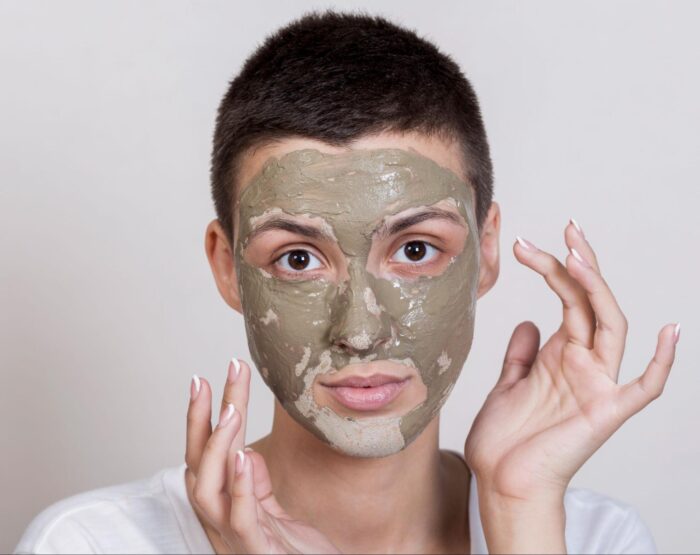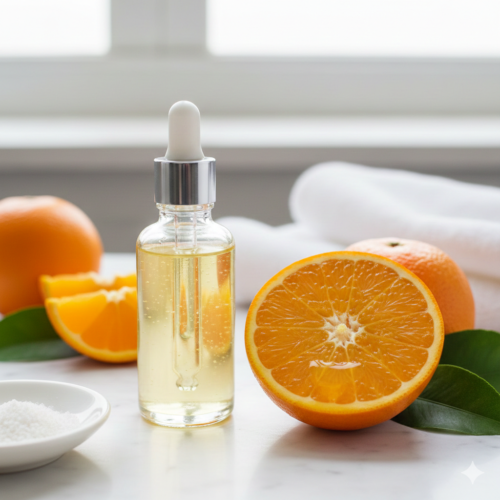
Want glowing skin? Vitamin C Serum is the secret! Find out how it works and the 3 biggest mistakes that could ruin your results.
The same vitamin that makes oranges juicy and fresh can make your skin look radiant and glowy too.
Just like an orange needs vitamin C to stay plump and bright, your skin craves it as well.
But that doesn’t mean that you start squeezing oranges on your face for no reason.
No beating around the bush, but vitamin C actually works. But the problem is that many people use it in a wrong way which makes their serum into just expensive water.
Are you ready to stop throwing money down the drain and finally get that healthy glow? Understanding vitamin C serum benefits starts with knowing how to use it correctly. Let’s get right into it:
Table of Contents
Key takeaways
- Vitamin C brightens skin and fights aging which is backed by science.
- If you store the serum in light or heat, it will be destroyed completely. This reduces its ascorbic acid serum benefits.
- If you mix it with retinol or acids at the same time it may cause irritation and sensitivity.
- If you stick with it consistently for about 8 to 12 weeks, you should start seeing that visible glow that proves vitamin C benefits for skin.
- It is important to maintain pH below 3.5 for L-Ascorbic Acid to actually work on skin.
What is a vitamin C serum and how is it made?
You know that fresh orange juice you grab in the morning works just wonders for your immune system. This is all the miracle of vitamin C.
The same vitamin works as a powerhouse ingredient for your face. Sounds a bit crazy, but stick with us here.
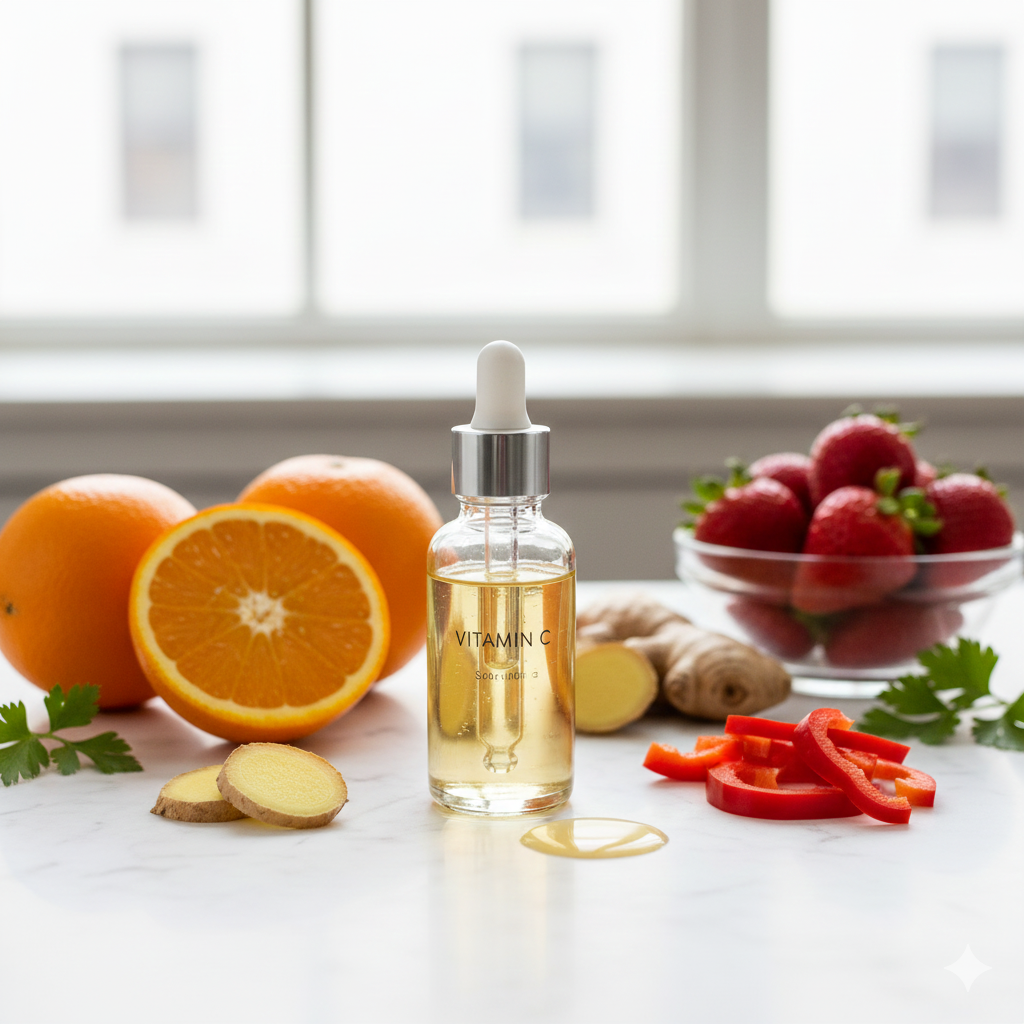
In skincare, vitamin C is sourced from plant-based ingredients like corn or citrus, and refined in labs so it becomes stable and safe for your skin.
Different types of vitamin C and their benefits
Vitamin C shows up in different avatars for skincare. The star of the show is L-Ascorbic acid (also called Ascorbic acid). Ascorbic acid uses for skin ranges from brightening to anti-aging which makes it a versatile ingredient in skincare products.
Then comes easier versions like Magnesium Ascorbyl Phosphate and Ascorbyl Palmitate. These are like the calm and collected siblings. They are not as powerful as L-Ascorbic Acid, but they are way gentler on sensitive skin and don’t cause drama.
Most serums pack about 10 to 20 percent vitamin C. If you go lower, you’re basically splashing fancy water on your face. And if you have a higher percentage, then your skin might get irritated if it can’t tolerate it.
What does vitamin C do for your skin?
So you’ve slapped on your vitamin C serum and now it’s sitting on your face.
Now, you might be curious about what’s happening under your skin. Let’s understand this step-by-step:

Antioxidant power
Antioxidants are tiny bodyguards for your skin cells. Every day, your face gets bombarded by free radicals. These are unstable molecules from pollution, UV rays, cigarette smoke, and may arise from stress as well.
Free radicals are like bullies on a playground that mess up everything they touch. Vitamin C swoops in and neutralizes these troublemakers before they cause wrinkles, dark spots, and dullness. This is one of the core benefits of ascorbic acid for skin.
A study published in the Journal of Clinical and Aesthetic Dermatology found that vitamin C is one of the most effective antioxidants for protecting skin from oxidative stress.
Collagen production
Collagen keeps your skin looking young and plumpy. It’s basically the scaffolding holding everything up. Collagen production slows down as you age. Cue the sagging and fine lines.
Vitamin C tells your skin cells to get back to work and produce more collagen. Research from the American Journal of Clinical Nutrition shows that higher vitamin C intake is linked to better skin appearance and fewer wrinkles.
Melanin control
Melanin refers to the pigment that gives your skin its color. Too much melanin in one spot? Say hello to dark spots and uneven skin tone. Vitamin C interferes with the enzyme that produces melanin and puts the brakes on excess pigmentation.
According to a study in the Indian Dermatology Online Journal, vitamin C can significantly reduce hyperpigmentation when used consistently. It’s like having an eraser for sun damage and acne scars, slowly fading them away over time.
This makes vitamin C for skin brightening so effective. It’s like having an eraser for sun damage.
Vitamin C Serum Benefits: What you’ll actually see in the mirror
Now that you know how vitamin C works its magic, let’s explore the effect of vitamin c on skin and why it’s considered essential:
Brightens dull skin
You might have noticed sometimes that your skin feels sleepy even when you are not.
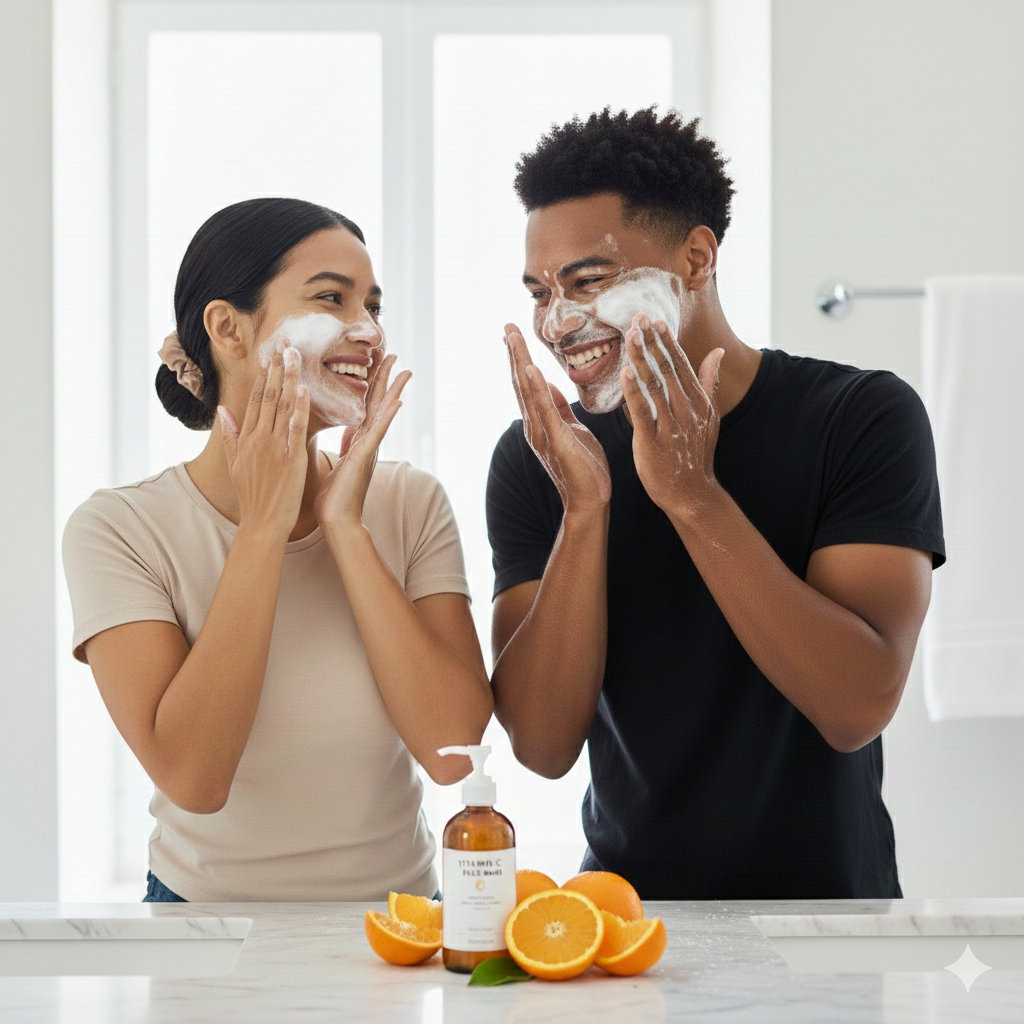
Vitamin C brings back that natural radiance by evening out your skin tone and making you look more awake. This is when you’re using vitamin c on the face at its finest.
Anti-aging powerhouse
Fine lines and wrinkles don’t stand a chance against vitamin C. By boosting collagen, vitamin C keeps your skin firm and bouncy.
A 2017 study in the Nutrients Journal confirmed that regular use visibly reduces wrinkles over time.
Sun Damage protection
Vitamin C itself does not work as a sunscreen but it helps sunscreen do its job in a better way.
Think of it as backup protection as it shows what vitamin c does for your skin beyond brightening.
More Great Wellness Stories From dewique
- How to Take Care of Your Skin While Doing a 9-5 Job
- Natural Moisturizers You Should Try This Winter To Combat Dryness
- Oily in Summers and Dry in Winters? 10 Tips for Dehydrated Oily Skin
- Pop it or leave it? How to treat acne without leaving scars
- How to Keep Your Skin Fresh and Acne-Free After Every Workout with Proper Post-Workout Skincare
- Is Winter Pollution Destroying Your Skin? 5 Simple Steps to Pollution-Proof It Now
The 3 BIG mistakes that make your vitamin C serum useless
Okay, here’s where most people drop the ball. You’ve bought your fancy serum, you’re excited to glow like an actress, and then nothing happens.
Why? Because you’re probably making at least one of these three mistakes:
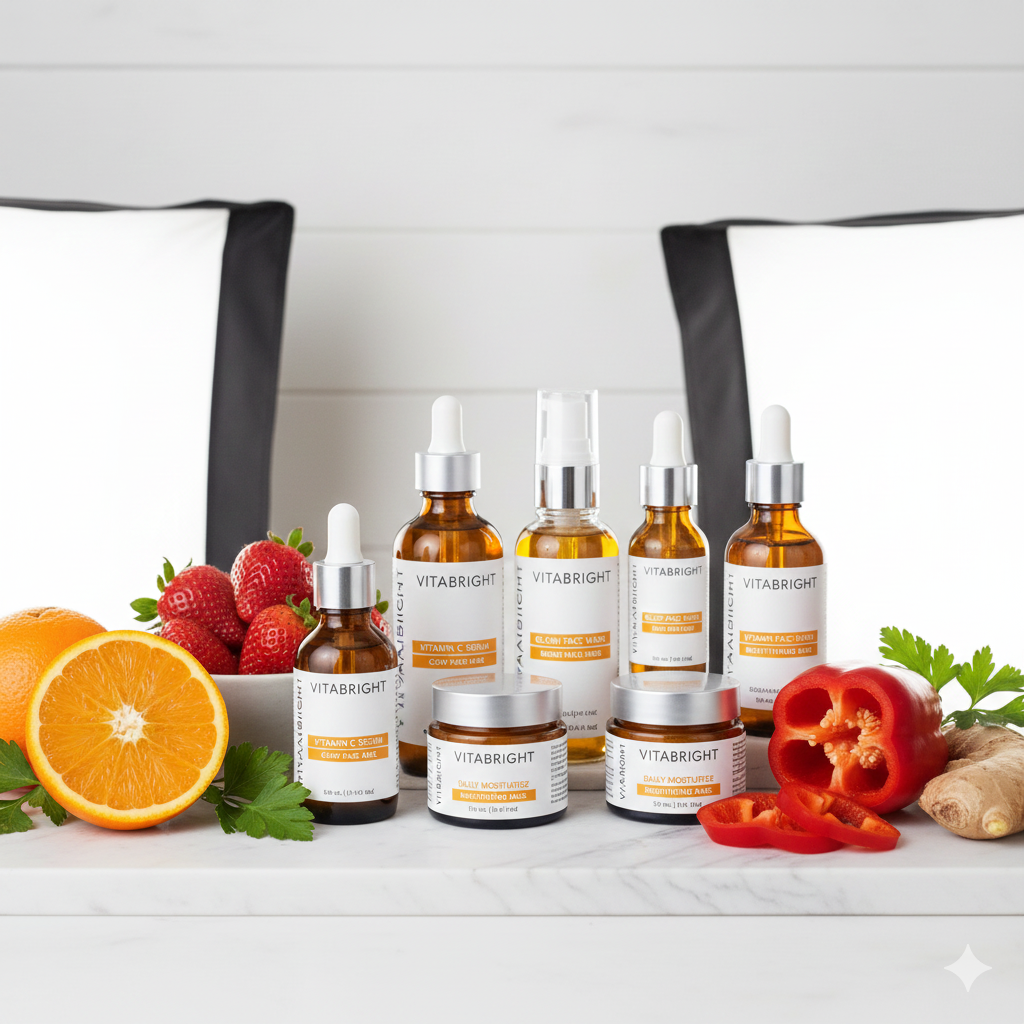
Mistake 1: Storing it wrong
If you’re leaving your serum on your bathroom counter near the window, you might as well be flushing money down the toilet.
When vitamin C gets exposed to light and air, it oxidizes and turns from clear or slightly yellow to a nasty orange or brown color.
It’s game over once that happens. The serum loses all its power and becomes completely useless.
The Fix: Store your serum in a cool and dark place. You can also store it in your fridge. Keep the bottle tightly closed and use dark or opaque bottles if possible.
And if your serum has changed color or smells funky, throw it out without a second thought.
Mistake 2: Ignoring pH Levels
L-Ascorbic Acid is the most effective form of vitamin C. But it only works at a pH of 3.5 or lower. If the pH is too high, the vitamin C just sits on your skin doing absolutely nothing.
Most people don’t even check the pH of their serum, which directly impacts vitamin c serum uses and effectiveness.
The Fix: You should buy serum after checking the pH and make sure to have a clean skin before applying. Always wait 2 to 3 minutes before layering other products.
Mistake 3: Mixing it with the wrong ingredients
Not all skincare ingredients play nice together. Mixing wrong ingredients can turn into a disaster. It’s like mixing oil and water: They just don’t work together.
Vitamin C and Retinol are a bad combo. Don’t try a lab experiment on your skin. They fight each other and can cause redness and irritation. If you use chemical peels and vitamin C on your face together, you are inviting a breakout for sure.
The Fix: Use vitamin C in the morning and save retinol for nighttime.
If you’re using acids, apply them at night and keep your vitamin C routine for mornings.
Conclusion
Vitamin C is literally one of the best things you can do for your skin. It brightens your skin and protects it from breakouts while giving you a fresh look.
But it is possible only if you do it in the right way. You should store it in a cool and dark place. Also, keep the pH in your mind as it should be around 3.5, and keep your morning and nighttime products separate. If you follow all these tips, you can see the results which you saw on social media.
If all this still feels like walking on thin ice then you can chat with Dewi, your AI-powered skincare advisor, to build a vitamin C routine made just for you.
FAQs
1. Can I use vitamin C serum every day?
Yes, one of the key vitamin C serum uses is that you can use that daily. But if you have sensitive skin, you should start slowly.
2. How long does it take to see results from vitamin C serum?
Brighter skin shows up in 2 to 4 weeks. Vitamin C for skin brightening takes 8 to 12 weeks for dark spots. Anti-aging results take 12 weeks or more.
3. Is vitamin C serum safe during pregnancy and breastfeeding?
Topical vitamin C is generally safe during pregnancy and nursing. But make sure to consult with a doctor first.
4. Can I mix vitamin C with niacinamide?
Yes, they work well together. But if you have sensitive skin, use them with a gap of 30 minutes.
5. What should I expect after applying vitamin C serum?
After applying vitamin c serum, you might feel slight tingling but that’s normal . you can see changes after a few weeks.
If you would like to see our shared skincare tips in more formats, please follow us on Instagram, where we share daily tips and useful skincare advice.