Is Caffeine in Skincare effective for under-eye bags and wrinkles? Learn the science behind its skin benefits and limitations.
Are you one of those people that simply cannot start their day without caffeine? Or maybe you cannot burn the midnight oil without a cuppa?
Well, caffeine isn’t just restricted to those. It has many more benefits, and it may even be an ingredient in some of your skincare products!
When you start exploring the benefits of caffeine for skin, you’ll notice it’s often praised for making tired and dull skin look more awake and refreshed. That being said, not every skin reacts the same way to caffeine.
It’s important to also understand the side effects of coffee on the face as well before going all in.
Think about it, that same ingredient powering your Monday mornings is doing some impressive work in skincare.
Let’s brew up some details on why your skin loves (or hates) this ingredient:
Table of Contents
Key takeaways
- One of the noticeable coffee effects on skin is reduced puffiness by shrinking tiny blood vessels quickly.
- You can find caffeine in different products like eye creams, serums, body lotions, and sheet masks.
- It helps skin stay firm and bouncy. It proves why caffeine is good for skin when it comes to moisture and anti-ageing.
- It works super fast on under eye bags. You might see results in just minutes after applying it.
- While caffeine is generally safe, understanding caffeine side effects on skin helps you use it properly.
What is caffeine and how is it made for skincare?
Caffeine is that magical compound found in coffee beans, tea leaves and cocoa plants. When brands make caffeine for skincare products they extract it from natural sources (usually coffee beans or green tea).
The extraction process involves using solvents or water to pull out the caffeine molecules. Then, it is purified and turned into a form that your skin can actually absorb. Some companies use synthetic caffeine too, which is basically the same molecule but made in a lab.
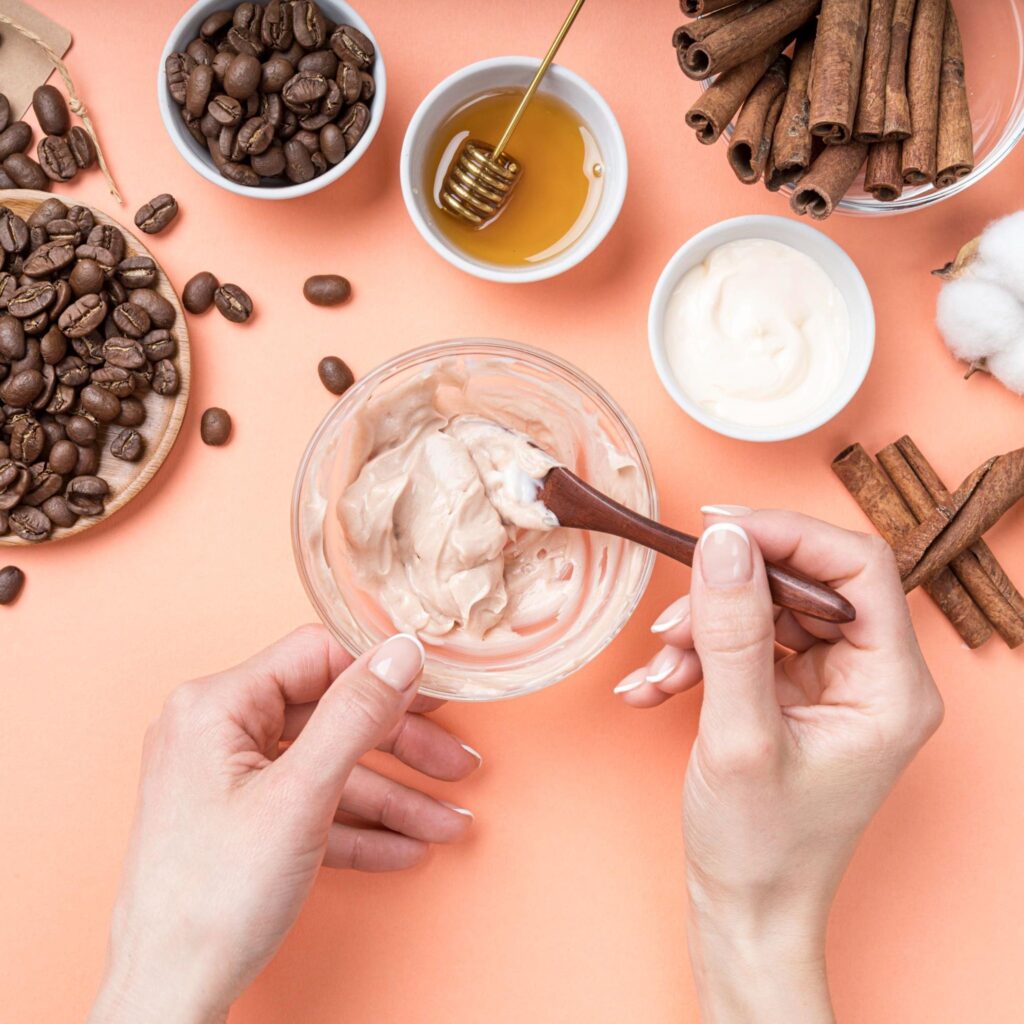
Caffeine concentrations and why they matter for skincare
The concentration matters a lot actually. Most skincare products use between 0.5% to 3% caffeine.
Think of it like adding sugar to your coffee. If you add just a tiny bit you won’t taste anything. But if you dump half the jar in there it gets gross and undrinkable.
The formulation needs to be water soluble because caffeine loves hanging out in water-based products. That is why you will see it in gels, serums and lightweight creams more than heavy oils.
Also, the science behind getting caffeine into skincare form is pretty straightforward.
It is stable, plays well with other ingredients, and it does not break down easily. That is why you are seeing caffeine in skincare benefits across so many products – from eye creams all the way to serums these days.
How caffeine works on your skin
Now that we’ve covered concentrations, let’s move on to understanding how caffeine works on your skin:
Vasoconstriction: Caffeine’s prime power
Your skin has these tiny blood vessels running everywhere. When these blood vessels get too wide or dilated, your skin can look puffy or red. Caffeine basically tells these blood vessels to chill out and shrink a bit.
This is called vasoconstriction. Think of it like deflating a balloon just enough so it fits perfectly instead of being all stretched out and puffy.
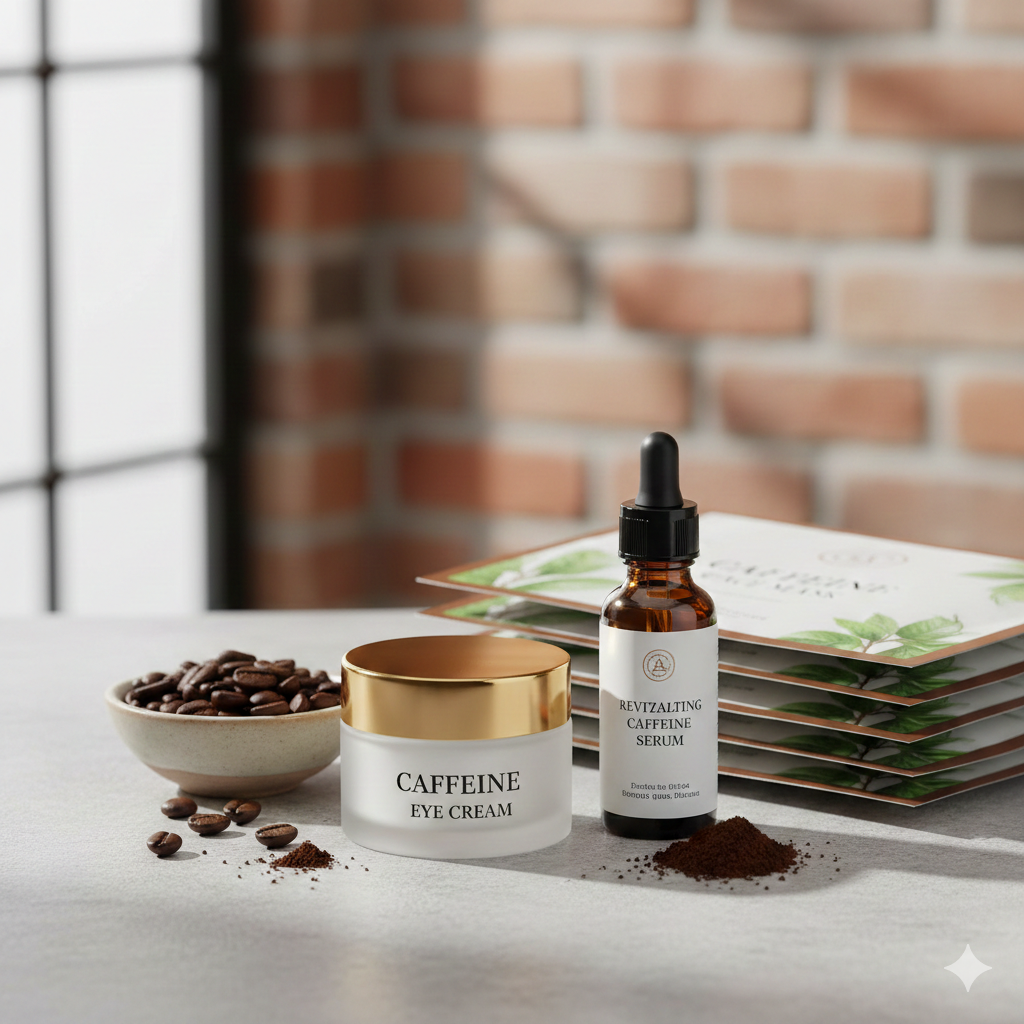
Microcirculation: Better circulation
Microcirculation which is a fancy word for how blood moves through the tiny vessels in your skin. Caffeine helps improve this flow. Better circulation means more oxygen and nutrients reach your skin cells.
Fluid retention: Easing fluid buildup
You know how sometimes you wake up looking like a balloon especially around your eyes? That is fluid buildup. Caffeine helps drain that excess fluid away. It is like having a mini plumber for your face, fighting fluid retention and keeping your eyes looking tight.
Epidermal thickness: Anti-wrinkle and anti-aging capabilities
A study found that caffeine could help reduce epidermal thickness, suggesting anti wrinkle effects. The outer layer of skin gets thinner in a good way which can make fine lines less noticeable.
Plus, caffeine has antioxidant properties that fight free radicals. Those are the bad guys that age your skin faster.
Fresh look: Reducing overall puffiness
You know, your skin absorbs whatever ingredients are in your routine. So, when you actually think about coffee and skin, clinical evidence shows that caffeine improves elasticity and locks in moisture.
It also helps reduce puffiness and gives your skin a more awake and fresh look. That’s basically why caffeine for your skin has become such a go-to ingredient in beauty routines.
Advantages of caffeine in skincare
When you apply caffeine to your skin, it sinks right in, and starts working at a deep level. It tightens up those tiny blood vessels, calms down puffiness, and even gives you some protection against sun damage.
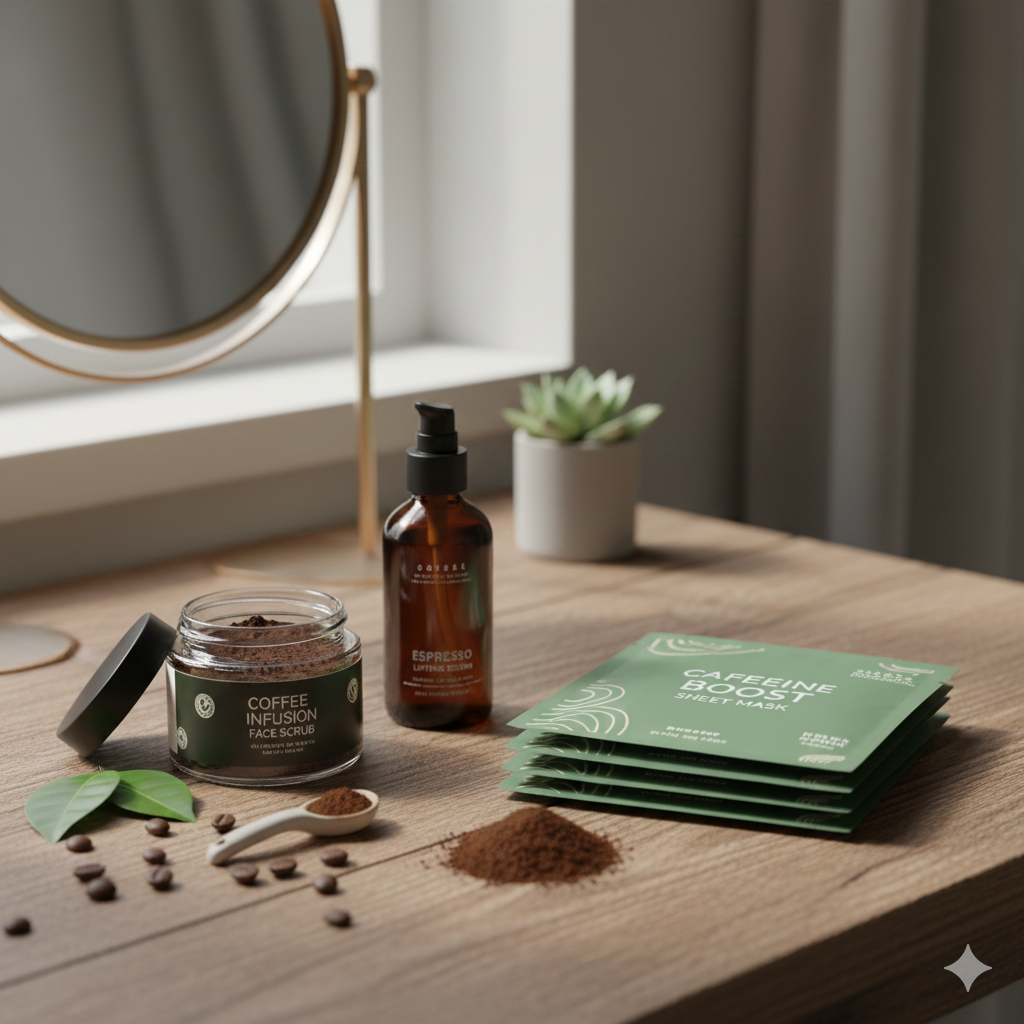
Reduces puffiness and dark circles
This is one of the most researched caffeine in skincare benefits and why coffee effects on skin are so visible around the eyes. If you have an under eye bag situation, caffeine is your best friend. It constricts blood vessels and drains fluid so you look less like you pulled an all-nighter. Dark circles happen partly because of blood pooling under thin skin. Caffeine helps move that blood along so the darkness fades.
Decreases redness
If your face turns red easily or you have rosacea, caffeine can help calm things down. The vasoconstriction effect reduces that flushed look. Some people use caffeine serums before big events to look less patchy.
Leads to smoother skin
Some brands claim caffeine can help with cellulite and stretch marks. The theory is that it tightens skin and improves circulation.
Does it magically erase cellulite? Probably not. But it can temporarily make skin look firmer and smoother. Body lotions with caffeine are actually pretty popular for this.
Has Anti-Aging properties
Clinical evidence supports that caffeine improves skin elasticity and barrier function. Your skin stays bouncy and holds moisture better.
Plus, research indicates caffeine may enhance SPF in sunscreens by up to 25% which is pretty wild if you think about it. These properties make caffeine good for skin health beyond just cosmetic improvements.
Types of caffeine skincare products
Caffeine shows up in all kinds of skincare products these days.
But, each one works a little differently depending on where you use it. The best part is you can pick what works for your specific skin concerns.
Here’s a breakdown of the most popular caffeine products and how to use them:
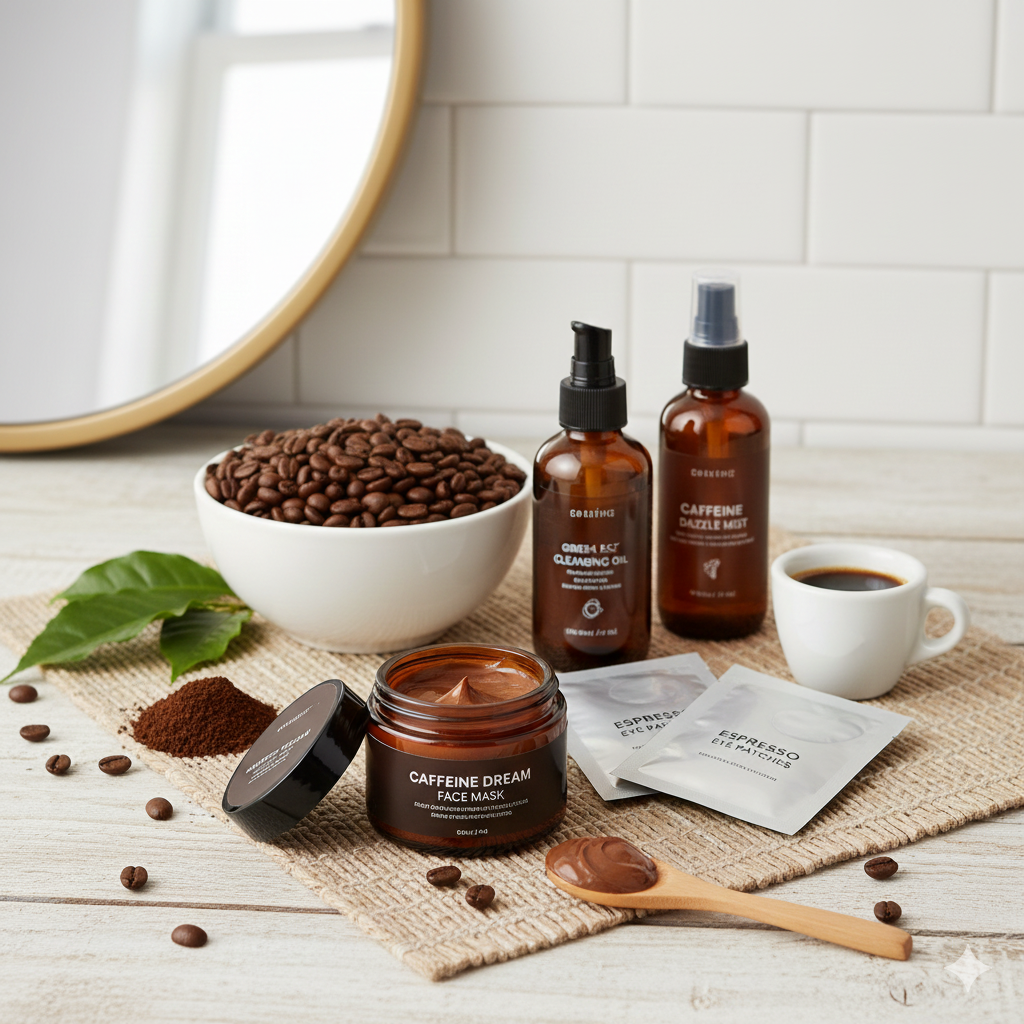
Eye creams
This is the OG caffeine product. Almost every depuffing eye cream has caffeine as a star ingredient. Pat it under your eyes in the morning and boom – you instantly get less puffiness.
Some eye creams also come with a cooling metal applicator which feels soothing.
Face serums
Caffeine face serums are lightweight and get absorbed fast, usually targeting redness or overall skin tone. You should apply them after cleansing and before moisturizer.
They tend to work great under makeup as well. Also, understanding caffeine face serum uses can help you layer products correctly for maximum benefits.
Moisturizers
Some daily moisturizers now include caffeine for that extra boost. They hydrate your skin while also giving you the benefits of vasoconstriction and antioxidants.
This helps solve 2 issues with 1 solution!
Face masks and scrubs
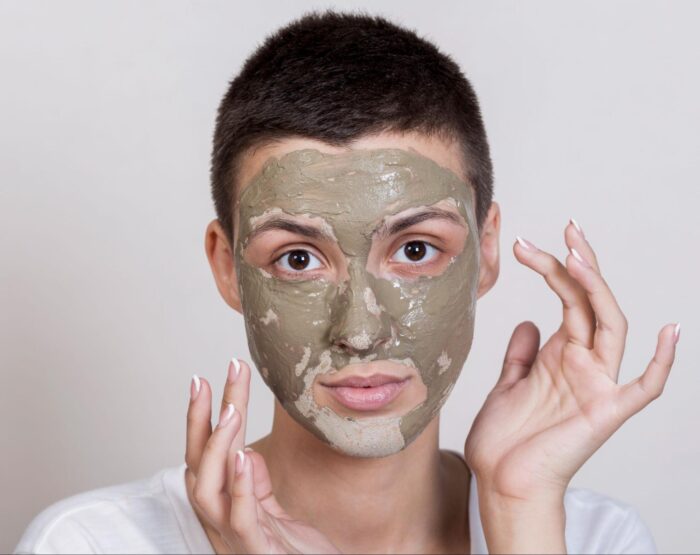
Caffeine face mask uses include brightening tired skin and reducing temporary redness. If your skin looks tired, caffeine sheet masks help it feel fresh again.
Caffeine face scrub uses focus on exfoliation combined with circulation benefits. It’s an easy way to help your face feel happy before you go out.
Body lotions
Body lotions usually have higher concentrations of caffeine. People use them to help the skin look smoother and feel firmer, especially on areas like thighs, arms, and stomach.
Caffeine helps improve the look of uneven skin texture and makes it feel tighter for some time. With regular use, your skin can look smoother and healthier overall.
Conclusion
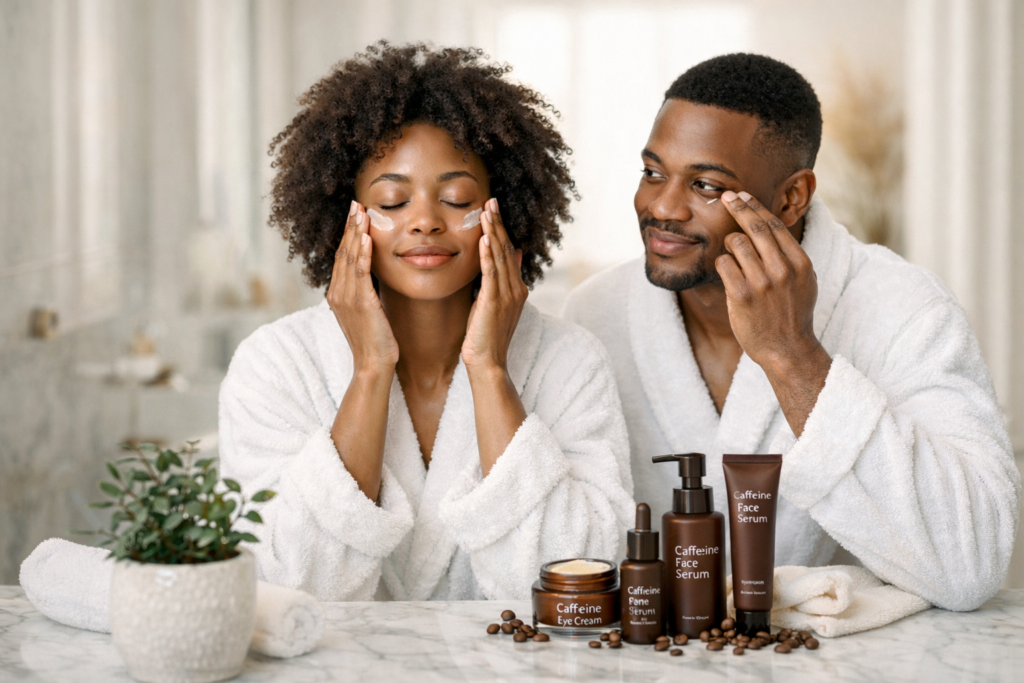
Caffeine shows up in skincare for a very specific reason. It is used because it affects how your skin behaves on the surface.
When applied topically, caffeine interacts with blood vessels and fluid buildup. It changes how tired or swollen skin looks.
All these benefits make it a valued ingredient that’s used in skincare.
While caffeine is generally safe, understanding caffeine side effects on skin helps you use it properly. Confused about which caffeine product to start with? Chat with Dewi for guidance tailored to your skin concerns.
FAQs
1. Can I use caffeine skincare every day?
Yes, most caffeine products are gentle enough for daily use. Just start slow if you have sensitive skin and see how it goes.
2. Does caffeine dry out skin?
No, caffeine itself does not dry out your skin. But always follow up with a good moisturizer because hydration is key for everyone.
3. How long does it take to see results with caffeine for your skin?
For puffiness you might see results in minutes. For dark circles and skin texture give it around four to six weeks of consistent use.
4. Can I use caffeine products at night?
Yes, you can do that. Despite what you might think, topical caffeine will not keep you awake. Your skin does not absorb enough to mess with sleep.
5. Are there any caffeine side effects on skin I should know about?
Generally yes, but make sure to patch test it first. Caffeine is usually well-tolerated by most people, but everyone’s skin is different.
If you would like to see our shared skincare tips in more formats, please follow us on Instagram, where we share daily tips and useful skincare advice.