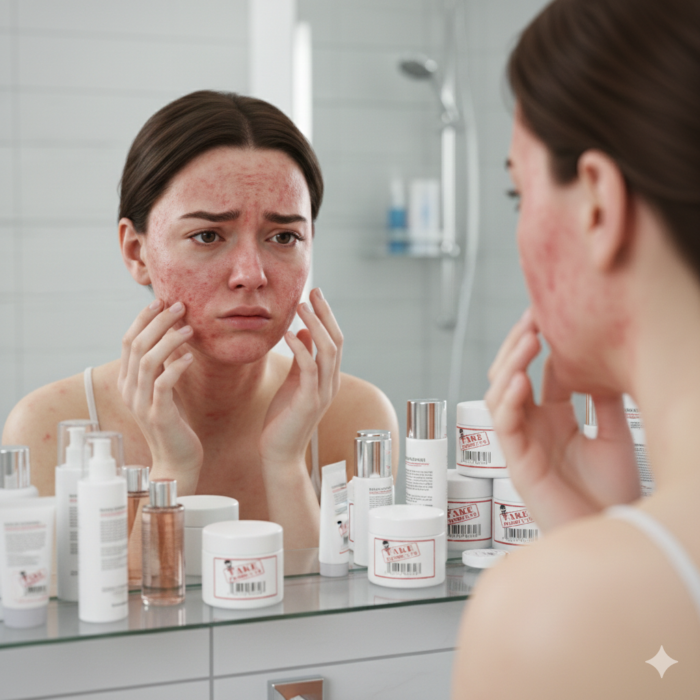
Confused between Fake vs Real Skincare Products? This guide explains simple ways to verify authenticity and avoid harmful counterfeit beauty items.
You know how your mom always told you not to take candy from strangers? Well, the same rule applies to fake skincare products.
You’re scrolling through your phone, and you see a luxury face cream at half price. You click ‘buy now’ super-quick.
Two weeks later, and your face ends up looking like a tomato. Turns out, that ‘bargain’ cream wasn’t the real deal. At. All.
According to the World Health Organization, counterfeit cosmetics make up nearly ten percent of the global cosmetics market. This means that there are millions of products out there that could unknowingly be fake. Fake skincare is literally everywhere these days.
But don’t worry, we’ve got your back. By the end of this article, you’ll know exactly how to spot a fake from a mile away. Let’s start!
Table of Contents
Key Takeaways
- If the deal looks unreal, then it’s probably cheap skincare that comes with hidden damage over time.
- Always verify product authenticity by checking packaging, smell, texture, and batch codes.
- Buy only from official websites, trusted stores or authorised sellers. No shortcuts here.
- Fake skincare can seriously harm your skin and even your health. It is not worth the risk.
- Authentic products cost more because they are tested safe and actually do what they claim.
What makes skincare counterfeiting such a big problem?
Skincare counterfeiting is a major problem because of the damages that it causes to the body. Not only that, but it can also lead to attacks to brand value as well.
Counterfeiters are making billions. Yes, billions with a B by selling fake beauty products. They’re flooding the market faster than ever before.
You wouldn’t buy medicine from a guy on the street corner, would you? Of course not.
But somehow, when we see those jaw-dropping discounts, our brains go ‘Oh, shiny deal!’ and we might rush through without our usual careful checking.
The internet made things worse. Now anyone can set up a fake store in their basement and pretend they’re selling the real deal.
The real dangers hiding in fake skincare products
Those fake products are not just ineffective but are dangerous as well.
Scientists have found dangerous stuff in counterfeit skincare. We’re talking lead, mercury, and arsenic. Yep, those are the things that poison people in movies.
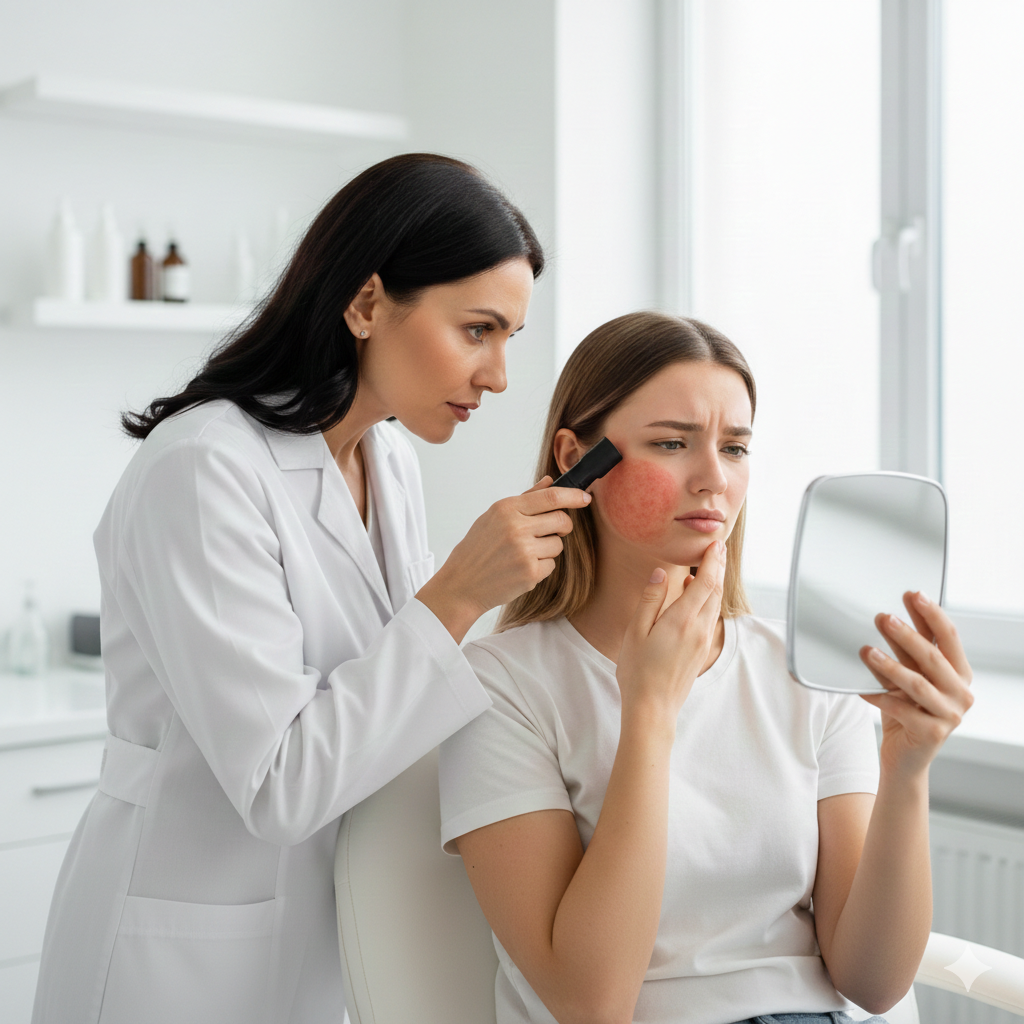
A study found bacteria in fake cosmetics. The kind of bacteria you’d find in a dirty toilet. People have also gotten chemical burns from fake creams. Others have developed permanent dark spots on their faces. Some have even damaged their internal organs from absorbing toxic chemicals through their skin.
The FDA regularly warns people about counterfeit beauty products causing serious health problems. Here’s what blows your mind: some fake moisturizers have been found to contain rat droppings.
More Great Wellness Stories From dewique
- How to Take Care of Your Skin While Doing a 9-5 Job
- Natural Moisturizers You Should Try This Winter To Combat Dryness
- Oily in Summers and Dry in Winters? 10 Tips for Dehydrated Oily Skin
- Pop it or leave it? How to treat acne without leaving scars
- How to Keep Your Skin Fresh and Acne-Free After Every Workout with Proper Post-Workout Skincare
- Is Winter Pollution Destroying Your Skin? 5 Simple Steps to Pollution-Proof It Now
5 simple signs your skincare product might be fake
Alright, let’s know how to identify fake skincare products.
According to a study by the OECD, counterfeit products are among the most seized items at international borders.
But most fakes never get caught. They end up in our shopping carts instead.
The good news here is that once you know what to look for, spotting a fake becomes second nature. Here are five telltale signs that should make your alarm bells ring:
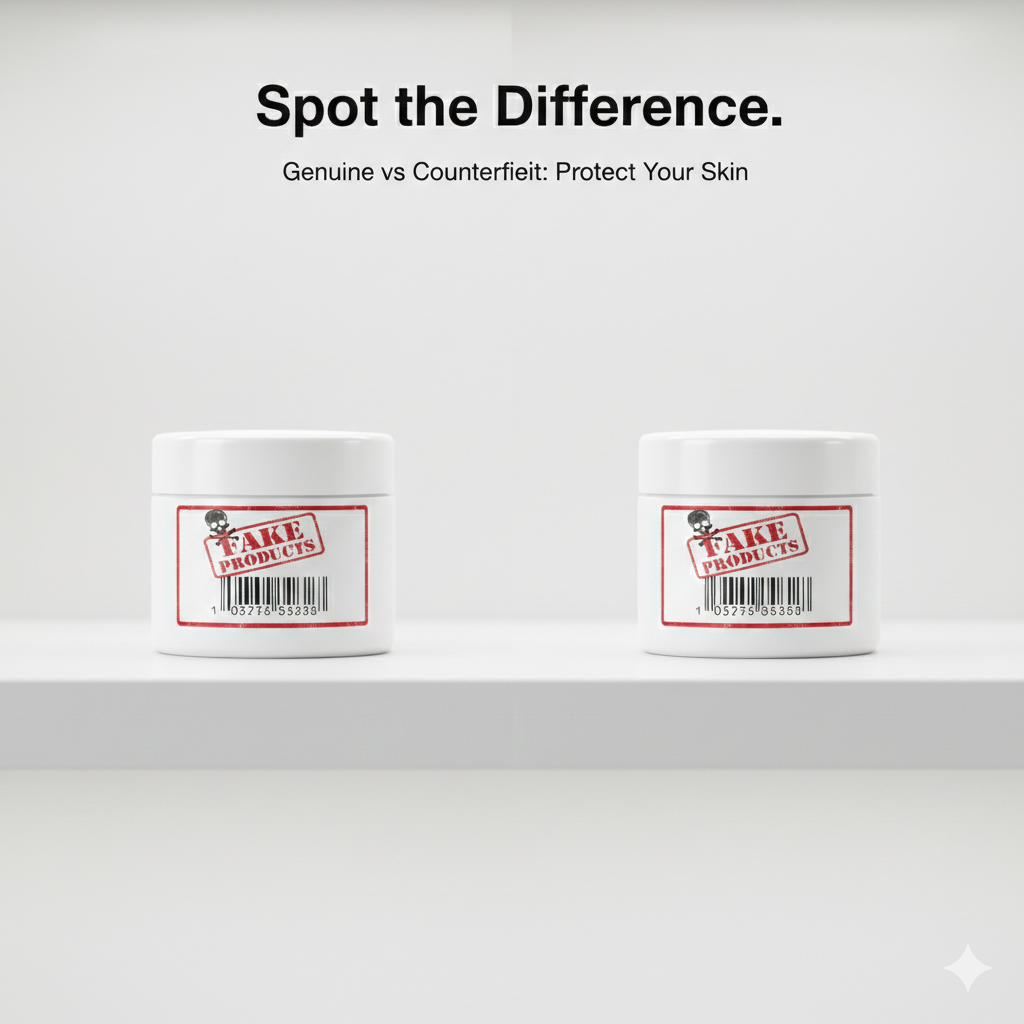
Spot the fake vs real packaging difference
You know how a real Coca-Cola bottle looks perfect? Same deal with skincare.
Look at your product closely. Is the spelling correct on the box? Are there weird spaces between words? Does the logo look a bit blurry or crooked?
Real brands spend tons of money making their packaging look flawless. If something looks off, then you should trust your gut.
The colors might be slightly different from what you see on the brand’s website. The plastic might feel cheap and flimsy instead of solid and fancy.
The price is suspiciously low
Here’s a golden rule while buying skincare: if it sounds too good to be true, then it is.
Let’s say you see a luxury serum that normally costs a hundred bucks. But this seller is offering it for twenty dollars. That’s straight up from red flag city.
Brands can’t slash their prices by eighty percent and still stay in business. The math simply isn’t mathing.
It smells or feels weird
Real skincare products have specific textures and scents. They might smell like roses, or cucumbers, or nothing at all.
But they shouldn’t smell like paint thinner or gasoline or that weird chemical smell that makes your eyes water.
If your luxury cream feels like glue or separates into weird layers, something’s fishy, then you should trust your senses.
The batch code is missing or looks fake
Every real product has a batch code. It’s like a birth certificate for your cream.
This code tells you when and where the product was made. You can check cosmetic batch codes using verification websites to confirm authenticity instantly.
You can find it printed or stamped somewhere on the packaging or the bottom of the bottle.
Fake skincare products either don’t have these codes, or they have obviously fake ones.
The seller seems sketchy
Who are you buying from?
Is it a proper store with a real address and thousands of reviews? Or is it ‘TotallyRealBeautyStore’ that has three reviews, all posted yesterday?
If the seller has reviews saying ‘This is fake!’ or ‘Don’t buy from here!’, believe them. Many brands now offer a barcode scanner for beauty products through their official apps, letting you verify authenticity right in the store before you buy.”
Where should you actually buy your skincare products?
Well, now comes the big question. You want to buy a new skincare product/get existing ones at a lesser price – but where should you go to do just that?
Here’s how you can steer clear of fake products:
- Official Websites: Your safest bet is always buying directly from the brand’s official site to ensure you are getting the product straight from the source.
- Trusted Retailers: Stick to major department stores or established chains. They have direct contracts with brands and cannot risk the legal trouble of selling fakes.
- Authorized Distributors: If you’re buying from another country, always cross-check the brand’s website to ensure you are purchasing from a listed and official distributor.
- Cost vs. Safety: While trusted sources may have higher price tags, they are far less expensive than the doctor visits required to fix skin damage.
Why are authentic products worth every penny?
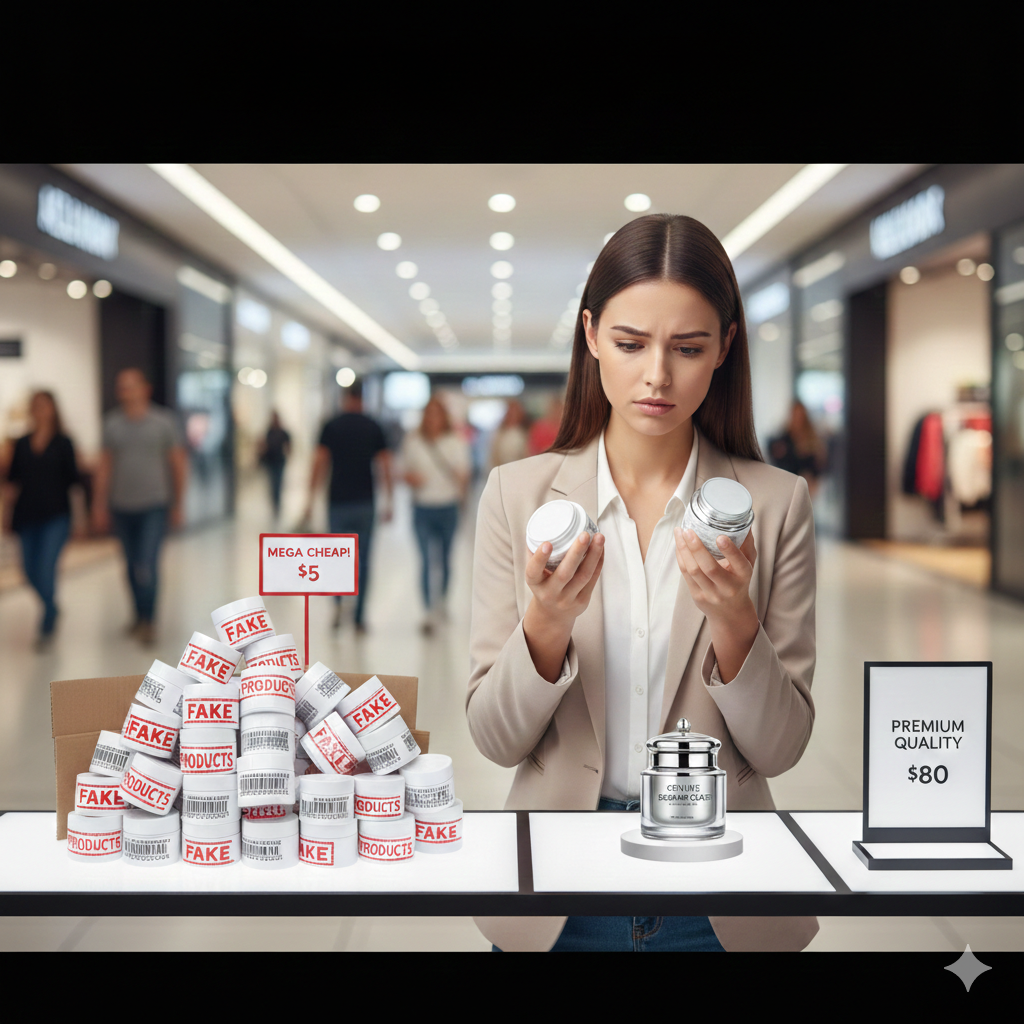
Real skincare products go through years of testing before they reach your hands. Scientists in white coats take forever in making sure they’re safe and actually work.
When you buy the real deal, you’re getting ingredients that do what they promise. The bottle says vitamin C? You’re actually getting vitamin C and not mystery goo.
These products are made in clean and regulated factories.
Plus, if something goes wrong with a real product, the company will help you. They have customer service, and they care about their reputation as well.
But in the case of fake products, good luck finding those sellers after they take your money.
See, you can buy a fake umbrella for five bucks. But the moment it rains, you’ll be getting soaked anyway. Better to invest in the real thing that actually keeps you dry.
Conclusion
Look, spotting fake skincare isn’t rocket science once you know what to look for. Check your packaging carefully. If the price seems crazy low, walk away. Trust your nose and your fingers when something feels off.
For the love of your skin, make sure that you buy from sellers you trust. Spending a few extra bucks on the real thing could save you from painful rashes, expensive doctor visits, and permanent skin damage.
Now that you know how to spot fakes, do you want to take your skincare game to the next level? Chat with Dewi to get personalized skincare advice now!
FAQs
1. Can fake skincare products work just as well?
No, as fake products aren’t tested or properly made. They might seem okay at first, but they often cause damage over time.
2. How do I check a batch code?
Go to websites like CheckCosmetic.net. Some brands also support barcode scanners for beauty products through their official apps, making verification even easier.
3. What if I already bought a fake?
Stop using it immediately. Take photos, report the seller, and warn others. Your safety comes first.
4. Are all discounted products fake?
No, real sales exist. But eighty percent off from an unknown seller? That’s a red flag. Legit sales are usually twenty to thirty percent off.
5. Can I trust online reviews when buying skincare?
Be careful as many fake product sellers post fake reviews too. Look for verified purchase badges and check multiple sources before trusting reviews.
If you would like to see our shared skincare tips in more formats, please follow us on Instagram, where we share daily tips and useful skincare advice.