Does your Skin Need a ‘Diet’ really matter? Explore glow-boosting foods, skin-friendly nutrition tips, and harmful foods that may damage your natural radiance.
If you can’t quit your unhealthy eating habits, you better say goodbye to glowing skin. Because a constant unhealthy diet can easily ruin your skincare routine.
You may think that your beloved skincare products are all the food that your skin requires, but that’s a dangerous delusion.
The truth is that just like any other organ of your body, your skin’s health also significantly depends on your diet. According to this study, a well-balanced diet food for radiant skin is really important.
Let’s take a look at how a good diet can be your pathway to naturally glowing skin:
Table of Contents
Key takeaways
- Your skin reflects long-term eating habits more than temporary skincare trends or expensive product routines.
- A balanced diet supports collagen, hydration, and repair. This helps skin stay resilient and naturally radiant.
- Proteins, healthy fats, antioxidants, and minerals form the foundation of healthy, glowing skin.
- Excess processed foods, sugar, and poor dietary choices silently trigger breakouts, dullness, and premature ageing.
- Nourishing your body consistently can reduce dependence on multiple skincare products over time.
Diet and skincare: How are they connected?
We run blindly after trends, and experiment with dozens of synthetic ingredients when it comes to skincare.
Among all this chaos, we often forget improving the one thing that consistently shapes how our skin behaves – our diet. Here’s why a bright skin diet is important for you:
1. Antioxidants
Your skin has its own stress to deal with – oxidative stress. It happens when it doesn’t have enough antioxidants to fight against free radicals, and its system goes into overload.
Foods for shining skin are rich in vitamin C and E because these are a great source for your skin to get these antioxidants from. Studies have shown that proper intake of antioxidants can enhance skin tone.
2. Fatty acids
Fatty acids quite literally hold your skin together. They are an important component of lipids – the substance that binds together the outermost layer of skin.
An anti-inflammatory diet for skin should contain fatty acids such as omega-3s (fatty fish, walnuts) and omega-6s (nuts, seeds). They help keep your skin happily hydrated and reduce inflammation. Studies have shown that acne-prone skin benefits highly from increased fatty acids intake.
3. Protein
What if we tell you there’s a way your skin can maintain its youthful glow without the use of expensive and fancy serums?
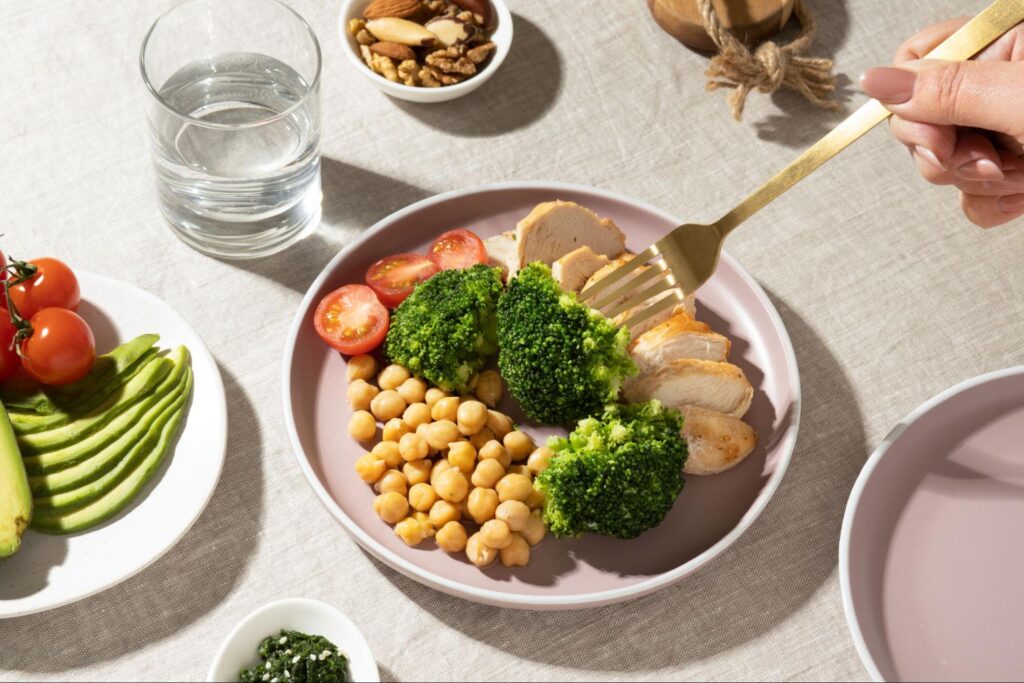
Proteins like collagen, elastin, and keratin work overtime to maintain your skin. Skip the overpriced serums and start eating your skincare (not literally) by adding proteins in your diet. This helps boost your skin’s structural foundation.
4. Hydration
There’s a reason why every dermatologist out there is screaming at you to increase your water intake. Dehydration caused by lack of water is not something you want your skin to deal with as it results in dry, itchy, and tight skin.
If you are planning a diet for glowing skin in 10 days, do not forget to increase your water intake as it flushes out toxins and strengthens the skin barrier.
More Great Wellness Stories From dewique
- How to Take Care of Your Skin While Doing a 9-5 Job
- Natural Moisturizers You Should Try This Winter To Combat Dryness
- Oily in Summers and Dry in Winters? 10 Tips for Dehydrated Oily Skin
- Pop it or leave it? How to treat acne without leaving scars
- How to Keep Your Skin Fresh and Acne-Free After Every Workout with Proper Post-Workout Skincare
- Is Winter Pollution Destroying Your Skin? 5 Simple Steps to Pollution-Proof It Now
Skin issues caused by an improper diet

Caring for your skin has become all about experimenting with dozens of different types of lab-processed ingredients. But the hard reality is that no serum can outwork a healthy diet.
If your diet doesn’t contain foods for clear skin, then even those super-fancy products won’t help you in achieving your dream skin.
Here’s what your skin has to go through in absence of a healthy diet:
1. The breakout onslaught
Acne is not just a side effect of sun exposure and pollution. Rather, it can often be a result of something deeper happening beneath the surface.
When you consume high levels of sugar and refined carbohydrates, your insulin levels rise rapidly. This results in sugar face symptoms like excess oil production and inflammation which gift your skin clogged pores and increased acne.
According to recent studies, people with a balanced diet have fewer breakouts.
2. The dull and dry phase
An imbalanced diet and glowing skin just don’t mix together. Because without a bright skin diet, your skin lacks healthy fats and proteins. With that, not getting enough water intake leaves your skin struggling to retain moisture.
Eating unhealthy constantly snatches away the radiance of your skin. It weakens the skin barrier and leaves your skin battling with dryness, flakiness, and dehydration.
3. Premature aging
If you want your skin to look 50-year old while you are only in your 20s-30s, then you should definitely go eat junk food on a regular basis.
Junk food accelerates skin aging while a healthy diet has the things that your skin needs to maintain its youthful glow.
According to recent studies, dietary changes play a great role in the prevention of aging. And by ignoring your diet, you are low-key stealing your chance to stay young and glowing.
A diet chart for glowing skin: What to eat and what to avoid

Let’s be honest, your favourite junk food is ruining your skin along with your waistline. Instead of feeding the required ingredients to your skin from the outside, focus on making it healthy from the inside.
Incorporate smarter food choices in your daily life and your skin will be healthier than ever. Here’s a simple breakdown of which food should make it to your plate:
What to eat
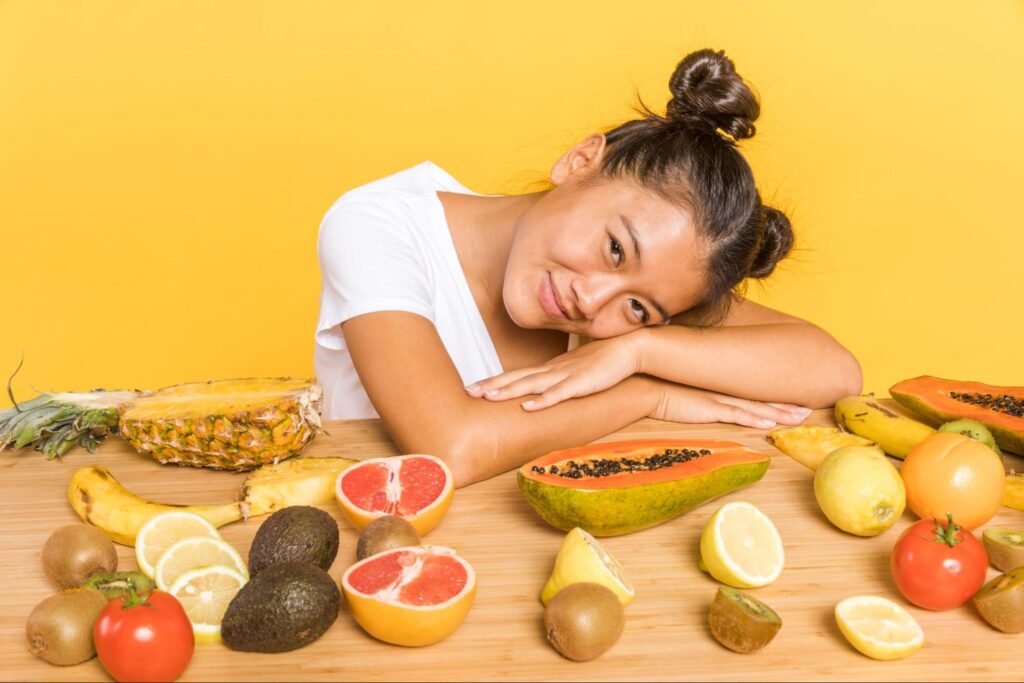
Antioxidant-rich foods: Best fruits for skin whitening include berries, citrus fruits, and tomatoes. Spinach, carrots, and bell peppers also help fight free radical damage and support glowing skin.
Protein heavy sources: Eggs, dal, paneer, tofu, legumes, yogurt, and nuts support collagen production, skin repair, and overall skin strength.
Healthy fatty acids: Omega-3 and omega-6 rich foods such as walnuts, flaxseeds, chia seeds, fatty fish, and olive oil help maintain the skin barrier and reduce inflammation.
Hydrating foods: Food for clear skin include cucumber, watermelon, oranges, coconut water, and soups as they help keep skin plump and prevent dryness.
What to avoid
Excessive dairy intake: High consumption of processed milk and dairy products may trigger breakouts in some people by influencing hormones and increasing oil production.
Processed foods: Packaged and ultra-processed foods are often low in nutrients and high in additives. This can promote inflammation and dull-looking skin.
High-glycemic index foods: Foods like white bread, sugary snacks, and sweetened drinks cause blood sugar spikes. This may worsen acne, sugar face symptoms and skin inflammation.
Fried and oily foods: Deep-fried foods can increase oxidative stress and inflammation. As a result, your skin becomes more prone to breakouts and uneven texture.
Conclusion
By choosing unhealthy eating habits, you are choosing temporary pleasure over long-term skin health.
Fancy creams and lotions alone aren’t going to give you your dream skin, but healthy eating habits also play an equally important role.
Foods for radiant skin are rich in proteins, healthy fats, and antioxidants, and they can replace half of your skincare shelf. You just need to know what to add to your plate and in what amount.
If you’re unsure about where to start, chat with Dewi to build a diet that actually suits your skin.
Frequently Asked Questions
A balanced plan improves hydration, supports collagen, and reduces inflammation. It also delivers consistent nutrients that reflect healthier skin over time.
Yes, diet affects acne, dryness, and aging. They do so by influencing hormones, inflammation, collagen production, and the skin’s natural repair processes.
Avocados provide healthy fats, vitamin E, and antioxidants. All of these help strengthen the skin barrier, boost hydration, and improve elasticity naturally overall.
Visible improvements usually appear after three to four weeks. It takes time for the dead skin cells to recover and respond to consistent and nourishing dietary habits.
Foods rich in zinc and selenium support skin repair, control inflammation, aid healing, and protect skin from oxidative damage stress.
If you would like to see our shared skincare tips in more formats, please follow us on Instagram, where we share daily tips and useful skincare advice.