Learn how to check ingredients and verify if your skincare product is 100% natural with this easy guide for safe and effective skincare choices.
Skincare brands throw words such as ‘natural,’ ‘clean,’ and ‘organic’ around like confetti, hoping one of them will help bring in sales. But behind the soft greens and leafy fonts often lies a very different story.
Every skincare shelf today is screaming green, pure, and plant-powered. But once you flip the bottle around, it feels as if your chemistry textbook is staring back at you. Decoding the ingredients list feels like a science exam you forgot to study for.
So how do you know if you are using certified organic skincare, or are just being greenwashed? Let’s cut through all the greenwashing in this blog, and learn what actually matters:
Key takeaways
- Organic skincare requires verifications to be trustable. Certifications and ingredient lists matter more than packaging.
- Only organic can be officially certified and regulated even if clean and natural sound reassuring.
- Ingredient order often reveals truth, and what’s listed first exists in the highest concentration.
- Fancy scientific names can hide synthetics. So researching unfamiliar ingredients is always worth it.
- Real organic brands prioritise transparency over trends, aesthetics, and surface-level marketing claims.
Table of Contents
Understanding skincare buzzwords
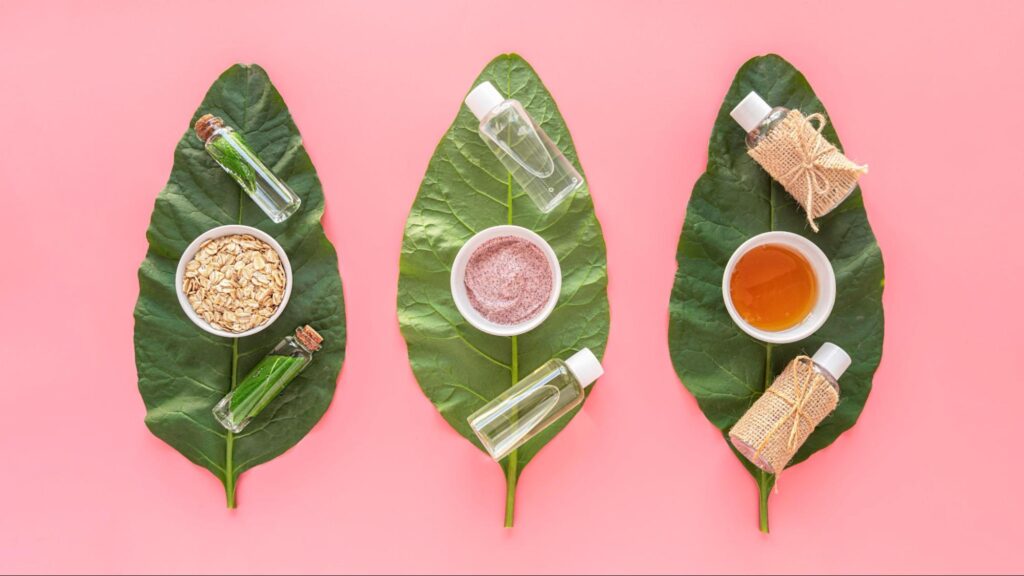
Skincare brands love a good word makeover. They swap basic for botanical, add a leaf on the label, and suddenly the product feels way more healthier and safer.
But beware, these buzzwords aren’t just for pretty packaging. Rather, they represent a strong marketing strategy. And we often end up placing our trust in the strategic packaging of these so-called organic skin care products. So let’s slow down and understand what these words actually stand for:
Natural
‘Natural’ is the most loosely used term in skincare. It simply suggests that an ingredient is derived from nature. But here’s the catch: Brands can use many synthetic ingredients and only one natural ingredient, and can still technically call their products natural. A 2024 study revealed that a product which uses both natural and synthetic ingredients has potential of becoming toxic.
There’s no legal standard defining how ‘natural’ should look like. Many brands pretend to have organic skincare products by proudly highlighting one plant extract while the rest of the formula stays very much synthetic.
Clean
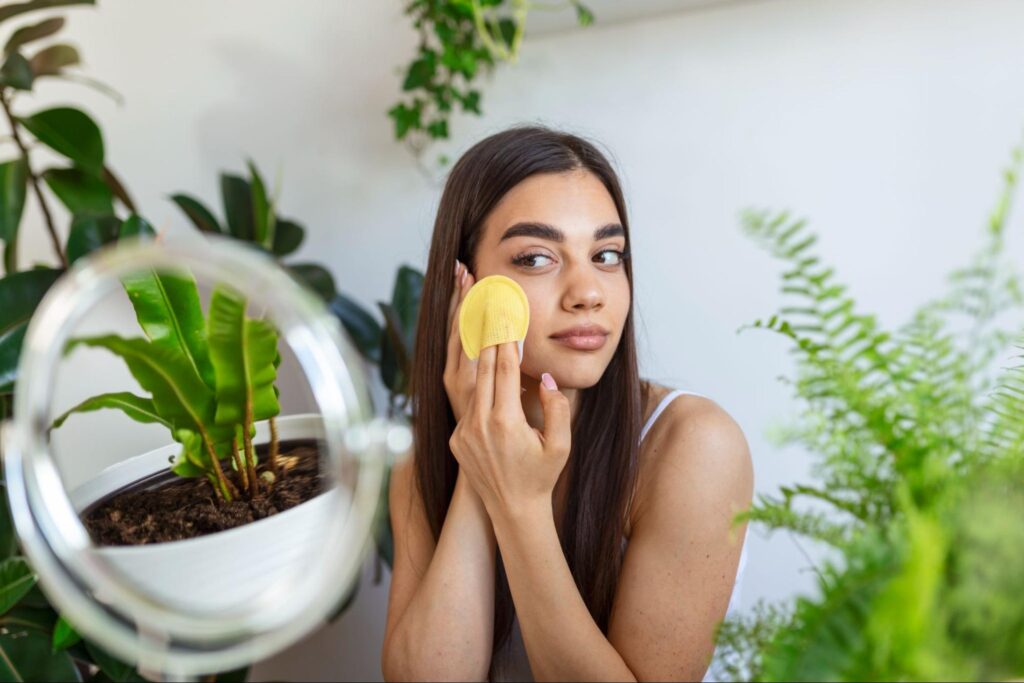
Clean products focus on what’s ‘not’ included in the formula. They shout things such as no parabens, no sulfates, and no phthalates. But these loud proclamations doesn’t mean their products are free from other potentially harsh ingredients. According to a 2023 study, fragrances that are advertised as ‘clean’ can still cause skin issues.
As ‘clean’ is not a regulated term, every brand takes the liberty of defining it based on their own agendas and strategies. A lot of organic skincare brands use this word because it feels safe without requiring proof.
Organic
Now, organic is where things get serious. Organic products are officially certified, but only when they meet specific standards. These certifications come from recognized bodies such as COSMOS (Cosmetic Organic and Natural Standard), and not from the brand itself.
Organic skincare basically refers to the products that use natural ingredients grown without the use of synthetic pesticides or fertilizers. And because these products earn certifications after meeting strict standards, certified organic skincare brands carry more credibility than labels that just claim to be organic.
More Great Wellness Stories From dewique
- How to Take Care of Your Skin While Doing a 9-5 Job
- Natural Moisturizers You Should Try This Winter To Combat Dryness
- Oily in Summers and Dry in Winters? 10 Tips for Dehydrated Oily Skin
- Pop it or leave it? How to treat acne without leaving scars
- How to Keep Your Skin Fresh and Acne-Free After Every Workout with Proper Post-Workout Skincare
- Is Winter Pollution Destroying Your Skin? 5 Simple Steps to Pollution-Proof It Now
Escaping the greenwashing trap
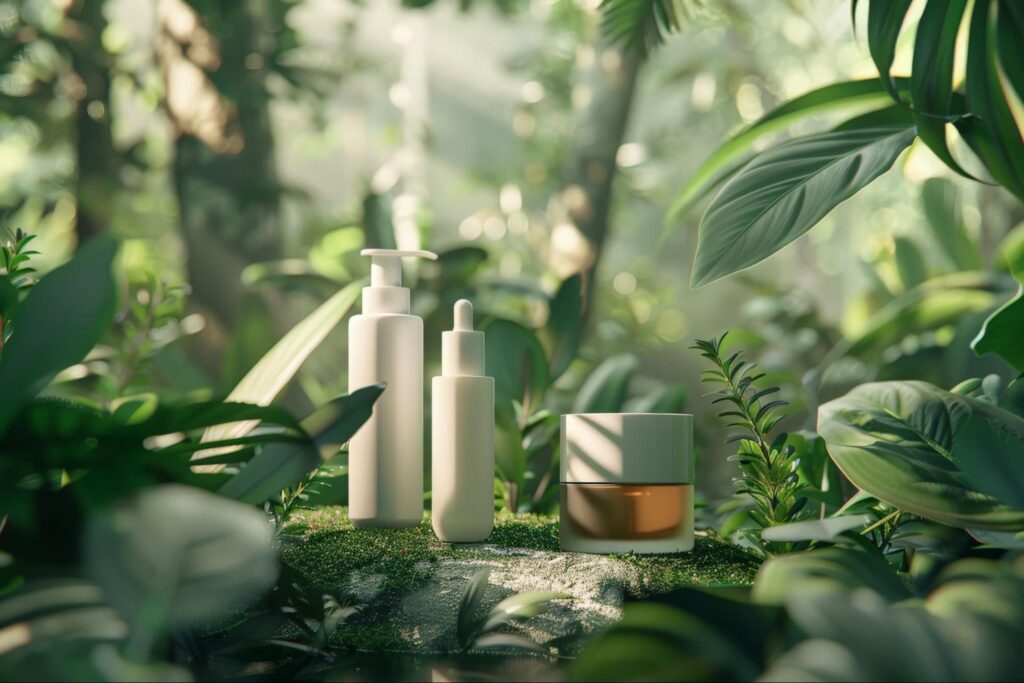
Greenwashing basically refers to when brands wrap themselves in earthy colors, leafy fonts, and claim to be more natural than they actually are. But let’s be honest: A green label or a plant illustration doesn’t guarantee a clean or organic formula.
We might have grown more aware about the skincare product’s impact on the environment, but our efforts towards this issue still lack. The tactics of not-so-pure organic skincare brands work because we trust what the packaging promises without digging any deeper.
For example, a brand may label its product as ‘natural’ or ‘skin-safe’ while still using synthetic fragrance. While ‘fragrance’ may sound harmless, it contains many undisclosed irritants like phthalates, linalool, and geraniol. A study showed that phthalates are linked to developmental and reproductive problems.
From the surface, the product may appear gentle and thoughtfully formulated. But the lack of transparency tells a different story. The only way to escape this trap? Putting in a little extra effort and actually understanding the product you are using.
How to know if you are using 100% organic skincare brands
If you were expecting that every brand would advertise its true intentions at the forefront of its product, then you need a serious reality check. However, that doesn’t mean you don’t have any power to uncover their hidden secrets.
Believe us, you still have a serious shot at choosing the best organic skin care product. All you need to do is just follow the below steps:
1. Go through the ingredients list
The first place to start your investigation is the ingredients list. Turn the product around and ignore the front-label promises for a moment.
Instead of just relying on synthetic stabilisers or additives such as oxybenzone or sulphates, a genuinely natural or organic product would contain truly natural ingredients. These include rosehip oil, shea butter, aloevera, green tea extracts etc.
2. Double check fancy scientific names
Though not every long ingredient name is harmful, many brands rely on complex terms to make ingredients sound more impressive (or less questionable). Make sure you take the time out to look up names of ingredients that you don’t know the meaning of.
Learning how to read ingredient list skincare properly helps you separate genuinely plant-derived ingredients from synthetics dressed up in botanical-sounding terms.
3. Take note of the certification

Checking whether a product is officially certified is a step you absolutely can’t skip. That’s because certificates are granted only when the products meet strict farming and processing requirements. Some certifications that you should look out for are:
- USDA (U.S. Department of Agriculture), COSMOS (Cosmetic Organic and Natural Standard), and ECOCERT (Control and Certification Body) to be assured of the use of natural ingredients.
- Leaping Bunny and PETA (People for the Ethical Treatment of Animals) to ensure that no harm was done to animals.
4. Scent and color
Top organic skin care products are made of natural ingredients, and this often reflects in their scent and color. These products will have mild, plant-like aroma and naturally muted colors, unlike the products full of synthetic ingredients.
So, if you spot fragrances on the ingredients list, you better run in the opposite direction. Because these added chemicals are going to do your skin more damage than good.
5. Do your research about the brand
What a skincare brand truly stands for matters way more than what they portray. A brand that believes in providing their customers with natural and organic products won’t shy away from making their process transparent.
If a brand is open about its sourcing, certifications, and formulation choices, then believe that you have found the best organic beauty products.
Conclusion
Your skin doesn’t deserve half-hearted efforts or empty promises. So before you purchase that trendy new product, remember to do more than just surface-level scanning.
Once you understand what terms like clean, natural, and organic actually mean, choosing the best organic skin products becomes much easier. This allows you to move beyond the clever marketing illusions and make the right choice.
You do not have to play detective with every product, but you do need to think more than just once before making a new addition to your cart.
However, translating every ingredient list and certification symbol can be a little confusing. Chat with Dewi, your AI-powered skincare advisor, to know which products are genuinely organic or natural.
Frequently Asked Questions
1. Is natural skincare the same as organic skincare?
No, natural and organic are not the same because of regulation. Natural isn’t regulated while organic skincare follows specific farming and processing standards when certified.
2. How can I tell if a product is truly organic?
To know whether a product is organic or not, check for recognised certifications. You can also go through the ingredient sourcing details and check the scent or color of the product.
3. Are certified organic products better for sensitive skin?
Mostly yes, because they avoid synthetic pesticides and harsh additives. But individual skin reactions can vary.
4. Why do organic products smell different from regular skincare?
They usually lack synthetic fragrance, resulting in milder, earthy, or plant-like scents and muted colours.
5. Can a product be partially organic?
Yes. Many products contain some organic ingredients but aren’t 100% organic or fully certified.
If you would like to see our shared skincare tips in more formats, please follow us on Instagram, where we share daily tips and useful skincare advice.