Do Pillows Cause Acne? Explore invisible acne triggers hiding in your bedding and learn effective ways to reduce pimples, irritation, and skin breakouts naturally.
After months of trying dozens of products and overthinking every little thing about your skin, your routine finally seems to have hit its mark. Your skin is clear, pores are non-existent, and you’re glowing brighter than the first light of day.
You wake up feeling refreshed and confident. Then, you head to the mirror for your usual ‘just admiring’ glance – and boom! That pesky little villain we call acne is back again, sitting right in the middle of your cheek.
But wait, you had your diet controlled, stress in check, and the best routine locked in. Then, what went wrong? This might come as a surprise, but the usual suspects might be innocent this time.
The hidden enemy here may be a lack of proper hygiene of skin. Your pillow, phone, or even towel aren’t always skin-safe. They are lesser-known acne triggers hiding in plain sight.
Let’s learn about them in detail and gift your skin clear pores:
Key takeaways
- Acne isn’t always hormonal. Repeated friction, pressure, and contact can trigger acne mechanica breakouts.
- Everyday items like phones, pillowcases, and towels can irritate pores through heat, friction, and bacteria.
- Damp, unclean fabrics create environments where bacteria thrive. This increases the risk of skin irritation and acne.
- Maintaining hygiene of frequently touched surfaces is as important as following a consistent skincare routine.
- Reducing friction, improving cleanliness, and limiting contact can help prevent stubborn, recurring acne flare-ups.
Table of Contents
Invisible acne triggers: Skin enemies you didn’t know existed
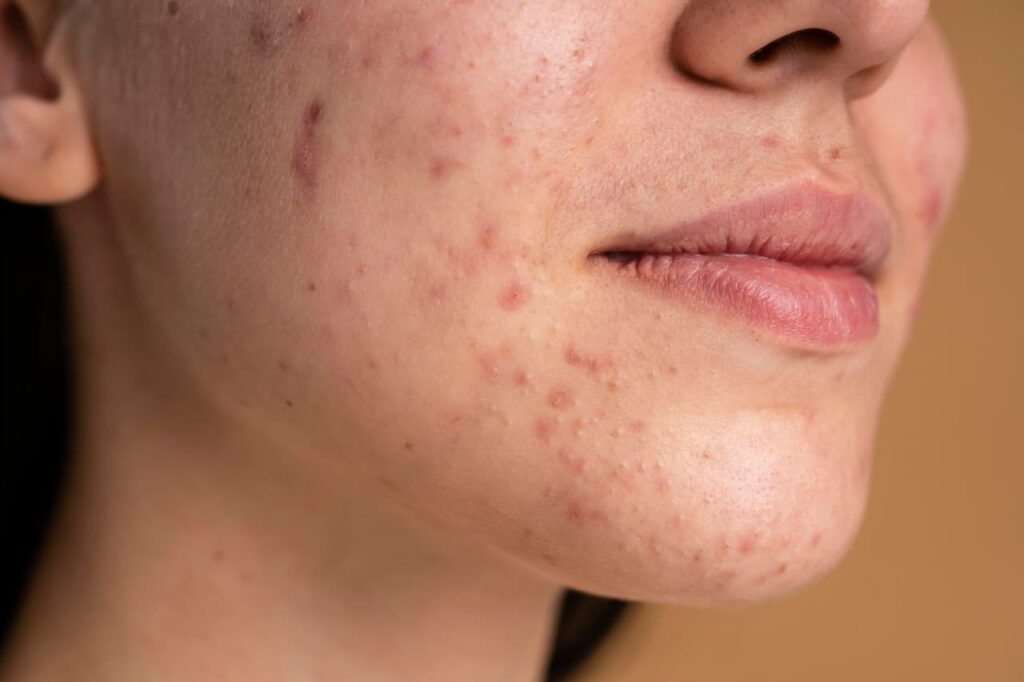
Image courtesy: Freepik
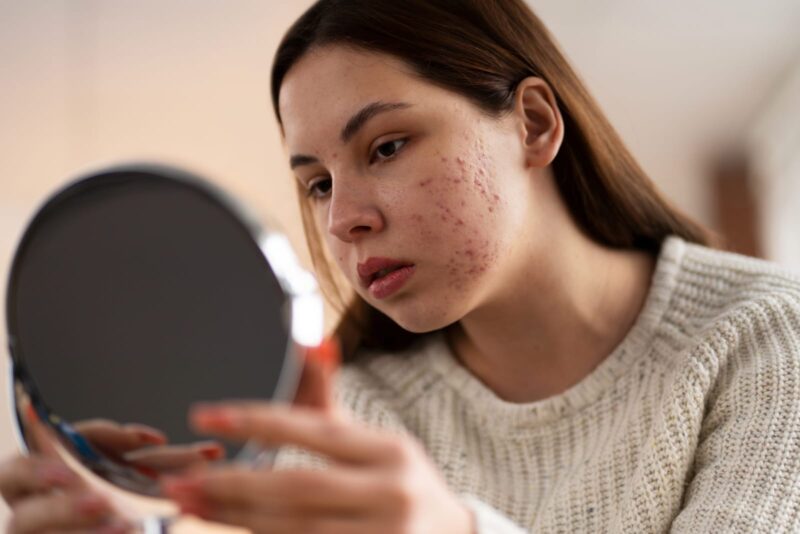
Acne pops up when our skin produces excess oil (sebum) which gets mixed with dead skin cells and bacteria. This unwanted mixture upsets our skin, and it shows its disagreement through break-out, blemishes, or inflammation.
This is where we come up with the idea of trying every advice available on the internet related to skincare, hormonal imbalance, or lifestyle choices.
But in the pursuit of dealing with these common issues, we often overlook an important factor: The hygiene of our skin and of the things that constantly come in contact with it. This includes phones, pillow cases, bedsheets, towels etc. as they tend to retain bacteria and other impurities.
When they come in contact with your skin, the build-up of impurities gets transferred on it. This is a perfect recipe for clogged pores, irritation, and unexpected breakouts.
That’s why giving proper attention to hygiene is so important.
Good hygiene: The missing step in acne care
Image courtesy: Freepik
To win this hard battle with acne, you will have to take out every weapon in your arsenal, including good skin hygiene.
That’s because neglecting the cleanliness of everyday items your face touches can affect your skin over time. Here’s how unclean surfaces are slowly undoing all your hard work:
1. Causing blocked pores
When your skin is pressed against surfaces for long periods, heat, oil, and moisture get trapped. This creates an ideal environment for acne-causing bacteria, causing blocked pores.
2. Transferring of impurities
Everyday items like pillowcases, phones, and towels can trap oil, sweat, and bacteria. And when these things come in contact with your face, their impurities get transferred back onto your skin.
3. Acne mechanica
According to this study, acne mechanica is caused by constant friction or rubbing of materials on your skin. This means that when you use a rough towel, pillow, or bedsheet, the chances of getting friction-induced acne increases.
The pillowcase problem: Sleeping on yesterday’s skincare

Image courtesy: Freepik
Your beauty sleep might be the reason why your skin’s actually losing all its health.
Think about it: Your face is plastered to a surface for 7-8 hours straight. This gives your pillow case an ample amount of time to interact with your skin, leading to acne buildup over time.
Let’s take a look at how pillow causes acne from touching your face, and how you can prevent it:
How pillow causes breakouts
- Impurities build-up: The sweat, dirt, oil, and other impurities of your face accumulate on your pillow. This gets re-transferred to your skin when you sleep on it.
- Product residue: The solution or detergent you use to wash the pillow case also matters. That’s because product residue causes irritation and other such issues.
- Harsh materials: If you are using cotton or other such harsh material pillow cases, you need to change them ASAP. That’s because these materials cause friction with your skin resulting in acne mechanica.
Steps to take for prevention

Image courtesy: Freepik
- Replace the fabric: If you want your skin to be happy, start spoiling it with better pillow case fabrics. Swap out the old-fashioned cotton ones for silk, satin, or copper pillows.
- Clean regularly: Make it a habit to wash your pillow case and your bed sheet at least once a week with acne safe laundry detergent. Keeping your pillow cases clean will make sure all the impurities aren’t sitting on it planning for your skin’s downfall.
- Keep hair off your face: Tie your hair up (or use a soft headband) and avoid sleeping with oily hair products. Hair oils and styling residue can easily migrate onto the pillow, making their way onto your cheeks/forehead.
Phones: The device that lives on your face
Imagine a call with your boss ruining not only your day, but your skin too! Or that you hop on an hour-long call with your bestie to de-stress, but end up with the added stress of a tiny red bump.
Because that’s exactly what happens when your phone stays glued to your face for hours on end – smartphone acne.
Here’s why your phone is secretly your acne’s BFF, and how you can break their friendship:
How phones cause breakouts

Image courtesy: Freepik
- Unchecked bacterial playground: Your phone’s screen constantly comes in contact with all kinds of surfaces. From there, it collects dirt and bacteria daily. These impurities are then transferred onto your face when you touch your face with phones during calls.
- Blue light emission: Your phone isn’t the innocent angel you think it to be as it can disrupt the hygiene of your skin. A study showed that its blue light encourages Staphylococcus aureus (an acne-causing bacteria) to thrive on your face with prolonged and close exposure.
- Heat and friction: After accumulating all the dirt and bacteria on your phone’s screen, you keep it pressed against your precious skin. By doing this, you are basically sending an invitation for a house-party to acne mechanica.
Steps to take for prevention
- Maintain distance: Make use of earphones or headphones and avoid putting your phone on your face. By reducing the contact, you’ll reduce the chances of germs spreading.
- Disinfect regularly: Wondering how to clean phones for acne prevention? Wipe your phone with 70% isopropyl alcohol wipes. A micro-fibre cloth with some water also works.
- Avoid dirty surfaces: Stop bringing your phone everywhere with you, and try to limit its exposure to dirty surfaces. This will lessen the chances of bacteria and germs attaching to it.
More Great Wellness Stories From dewique
- How to Take Care of Your Skin While Doing a 9-5 Job
- Natural Moisturizers You Should Try This Winter To Combat Dryness
- Oily in Summers and Dry in Winters? 10 Tips for Dehydrated Oily Skin
- Pop it or leave it? How to treat acne without leaving scars
- How to Keep Your Skin Fresh and Acne-Free After Every Workout with Proper Post-Workout Skincare
- Is Winter Pollution Destroying Your Skin? 5 Simple Steps to Pollution-Proof It Now
Towels: Clean-looking does not equal to actually clean
Image courtesy: Freepik
It may sound counterintuitive, but your towel could be making your face dirtier instead of cleaning it.
Let’s face it: your towels do not get a special clean and bacteria-free compartment to dry in. Rather, they often hang out in warm, damp bathrooms, the prime real estate for germs.
Here’s how you are getting acne from dirty towels, and how you can prevent it:
How your towel may be causing breakouts
- Bacterial-breeding: Your towel remains damp in hot and humid conditions. This is basically a 5-star resort for bacteria where they thrive and multiply.
- Absorbs impurities: Your towel is literally a sponge. It absorbs dead skin cells, natural oils of your body and face, and product residue. Guess where all of this goes? Right back on your skin! Bye-bye clean towel benefits.
- Cross-contamination: When you use the same towel for your body and face, you’re basically introducing the more sensitive skin of your face to increased pore congestion and irritation.
Steps to take for prevention
Image courtesy: Freepik
- Separate towels: Put in the minimal effort of using two different towels for your body and face. This will reduce the risk of impurities and germs transferring from your body to the more sensitive skin of your face.
- Dry in a clean space: If you do not want your towel to be the favourite vacation spot for bacteria, dry it in a clean and dry environment. A dry environment limits bacterial growth and keeps towels more skin-safe between washes.
(Pro tip: wash your towels with hypoallergenic detergent for acne prevention).
- Be gentle: Your skin deserves to be treated with utmost care. According to AAD, rubbing your skin with a towel to dry it can cause irritation. Instead, gently pat your skin dry to reduce friction and protect your skin barrier.
Conclusion

Image courtesy: Freepik
It’s time to accept the fact that your skin is a little high maintenance, and focusing on limited aspects isn’t going to cut it. Rather, you have to take a comprehensive approach to skincare.
While focusing on the major aspects, do not forget the little evils working behind the scenes to damage your skin. Think of the hygiene of your skin, and make sure everything that’s coming in contact with your skin for a long time is clean and bacteria-free.
But acne is a tough enemy to beat, and it can be a little overwhelming to keep track of everything that might be causing it. Chat with Dewi, your AI skincare assistant, to decode acne and find out what works best for your skin.
Frequently Asked Questions
Friction, oil buildup, and bacteria on pillowcases can trigger acne mechanica over time.
Prolonged phone contact transfers bacteria, heat, and friction to skin. This irritates pores and causes breakouts.
When your face towels are clean, dry, and separate from body towels, they prevent bacterial transfer and irritation.
Ideally, you should wash pillow cases and towels every three to four days. This minimizes oil, sweat, and bacterial accumulation on them.
Absolutely. Poor hygiene can undo even the best skincare routine by continuously reintroducing acne triggers.
If you would like to see our shared skincare tips in more formats, please follow us on Instagram, where we share daily tips and useful skincare advice.