New to skincare? Learn a beginner-friendly routine for sensitive skin with easy steps, mild products, and tips to keep your skin calm, healthy, and glowing every day.
Do you feel like your skin throws tantrums over little things – A new face wash, slight change in weather or some long nights? Then, you might have sensitive skin.
And no, your skin doesn’t have anger issues, it’s a genuine concern that stems from a damaged skin barrier, making your skin reactive.
Once you understand your skin, and what it needs, caring for it is easier than it looks.
This blog will walk you through a simple skincare routine for sensitive skin. Let’s begin:
Key Takeaways
- Sensitive skin can get irritated easily and requires a minimalist, barrier-focused approach to skincare.
- A gentle cleanser, fragrance-free moisturizer, and SPF form the foundation of any effective sensitive skin routine.
- Hypoallergenic and non-comedogenic products minimize reactions while keeping pores clear and skin calm throughout the day.
- Avoid common irritants like alcohol, synthetic fragrances, sulfates, and strong actives that can damage your skin’s protective barrier.
- Introduce new products one at a time. Do so gradually, and always patch test first.
Table of Contents
Understanding sensitive skin
You must be thinking we are saying ‘sensitive skin’ again and again but do you know what it means?
A sensitive skin type arises because of a weakened skin barrier. The barrier is the skin’s protection system, and a weak one means your skin loses moisture faster and is more vulnerable.
And that is exactly why your skin keeps acting up with literally any change in environmental factors. All that burning, itching, and redness is because your skin is getting exposed to factors like pollution, stress, or extreme temperatures.
And what’s worse is that sensitive skin doesn’t bounce back quickly from irritation. Its weakness compromises the natural healing process. So, you need products to soothe, treat, and hydrate it.

Building a simple skincare routine for sensitive skin
Your sensitive skin needs special care. So, of course you need to have a special routine. The goal is simple: to cleanse, hydrate, and protect.
Let’s talk about one such routine that actually works for sensitive skin:
Gentle cleansing
Cleansing is the foundation of any skincare routine. But for sensitive skin, it is also where things can go wrong. Using harsh cleansers can strip your skin of its natural oils, making it more irritated and sensitive.
To handle your skin without triggering it, you need a gentler cleanser for sensitive skin.
Look for sulfate-free and fragrance-free formulations with actives like glycerine, ceramide, and niacinamide which support the skin barrier, also helping with cleansing.
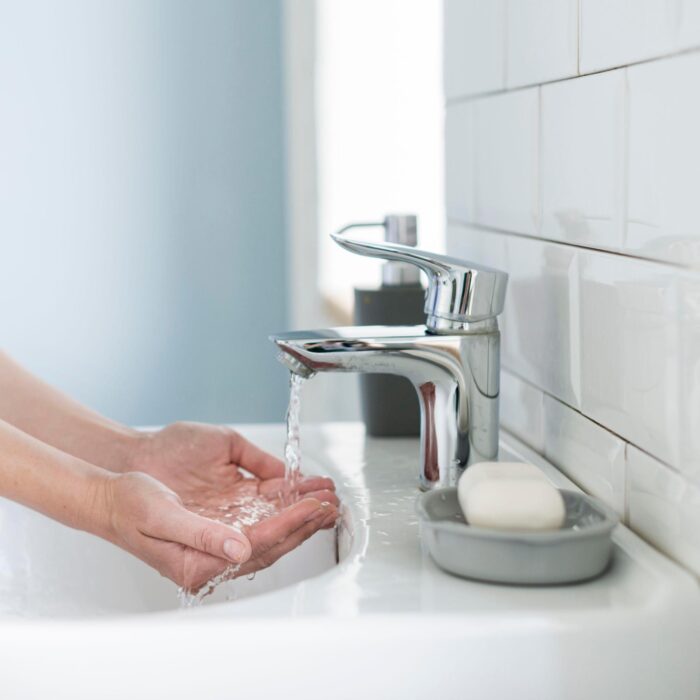
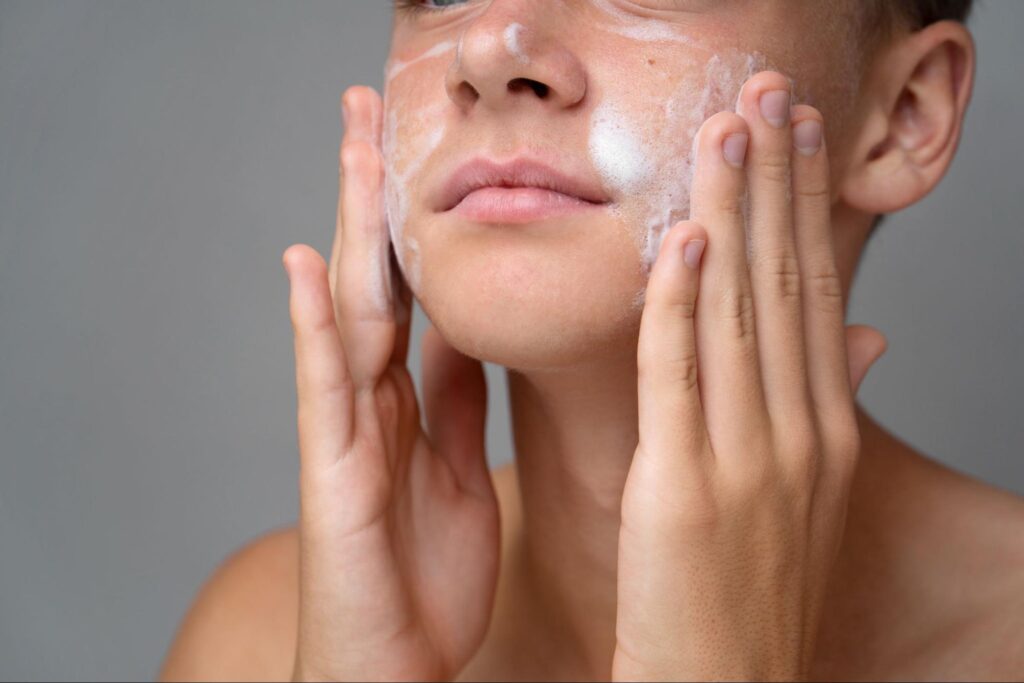
How to use: Wet your face and massage the cleanser gently and rinse thoroughly. Then, pat your face dry (don’t rub). Also, do not use hot water because it can be too harsh for skin and always go for lukewarm temperatures.
Hydration and moisturization
Hydration is like irrigation to sensitive skin. A good moisturizer doesn’t just hydrate, it locks moisture and helps repair the skin barrier.
The best moisturizer for sensitive skin is fragrance-free and rich in humectants like hyaluronic acid. It must also contain barrier repair agents like ceramides and squalane, so that it doesn’t only moisturise but nourishes as well.
How to use: Apply a fragrance-free moisturizer to slightly damp skin, right after you cleanse. Use gentle, upward motions.
Sun protection
A sunscreen is non-negotiable, no matter your skin type (because UV rays treat everyone equally). These UV rays can lead to inflammation, and worsen skin conditions.
Look for a mineral sunscreen with zinc oxide or titanium dioxide as they are gentler on skin compared to chemical sunscreens. And make sure it’s at least SPF 30.
How to use: Apply sunscreen as the last step of your morning skincare and use it even on cloudy or winter days. Reapply every two hours if you are outdoors.
Serums
Serums are concentrated formulations designed to seep right into your skin. If you are just starting skincare, a serum is not essential. You might even be better off not overloading your sensitive skin.
But if you have concerns like acne or pigmentation, you can use a good serum for sensitive skin. However, incorporate it in the routine gradually.
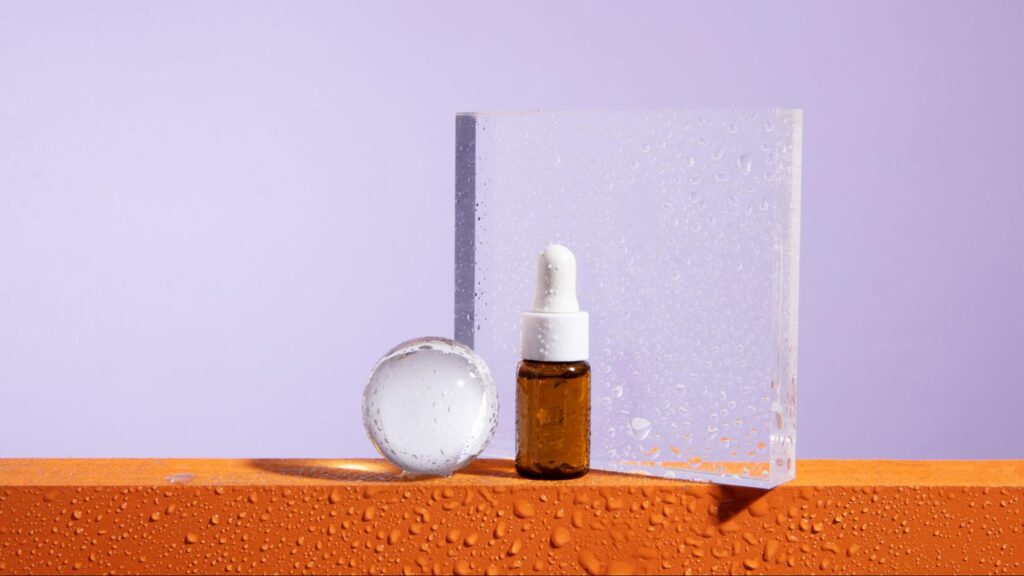
How to use: Apply a layer of serum after you cleanse. Let it absorb for some seconds before applying the moisturizer. Start with a few drops and see how your skin reacts!

More Great Wellness Stories From dewique
- How to Take Care of Your Skin While Doing a 9-5 Job
- Natural Moisturizers You Should Try This Winter To Combat Dryness
- Oily in Summers and Dry in Winters? 10 Tips for Dehydrated Oily Skin
- Pop it or leave it? How to treat acne without leaving scars
- How to Keep Your Skin Fresh and Acne-Free After Every Workout with Proper Post-Workout Skincare
- Is Winter Pollution Destroying Your Skin? 5 Simple Steps to Pollution-Proof It Now
Additional skincare tips for sensitive skin
Having a skincare routine helps, but other factors like lifestyle matter as much and can make or break the health of your skin.
So, let’s look at some additional tips alongside your routine:
Steer clear of harsh ingredients
Using gentle products is important for hypoallergenic skincare, but avoiding irritants is equally important.
No matter what product you are buying, put it back if any fragrance or sulfate is in the ingredient list and your skin will thank you for not buying it.
Don’t overburden your skin
For sensitive skin, less is more. Resist the urge to over-cleanse your face or layer multiple serums.
As long as you are consistent with your routine and keep other factors in check, a single serum and cleansing two times a day will work just fine.
Keep your hands off your face
You must be familiar with the temptation to touch your face and pop pimples. But doing this isn’t good, especially when you have sensitive skin. It might lead to even more inflammation.
So, make sure to follow the ‘hands-off-the-face’ approach. It minimises the risk of contamination and infection in your highly reactive skin.
Always patch test
Not every product is made for sensitive skin, even when the label says so. Every skin reacts differently to a given product.
So, always do a patch test when you start using a new product. Apply a small amount behind your ear and wait 7-10 days for reactions to occur . If your skin reacts well, then it is a green flag! And if not, then you may be allergic to it.
Ditch that product then, and treat the reaction with a cold compress. If you get a severe reaction, see your dermatologist.
Lifestyle matters
Factors like eating healthy food and drinking more water can make your skin more resilient and plump. Everyone talks about fixing their lifestyle, but people seldom follow it.
And eating healthy doesn’t mean you never eat a donut again. Just start slow and small, but do start.
Conclusion
We know that sensitive skin can be a constant source of frustration with breakouts all of a sudden and may demand more care than other skin types.
But not anymore! With the right approach, you can build a routine that keeps your skin calm, comfortable, and adequately protected.
The right approach lies in not using more products, but using the right ones. Focus on fragrance-free, sulfate-free, and gentle formulas that support your barrier without any risks of irritation.
Furthermore, remember what works for others might not work for you. So always do a patch test first. If your skin conditions don’t improve with all these, then do not hesitate to seek a dermatologist’s help.
Want more informative stuff about sensitive skincare? Talk with Dewi, our AI-powered skincare advisor.
Frequently asked questions
1. Is it safe to do facial for sensitive skin?
Facials are safe for sensitive skin but only when they are gentle, customized, and use the right products. Also, make sure you get the service from a qualified professional.
2. Can I use a face cleanser for dry sensitive skin?
Yes, you can choose a creamy, sulfate-free gentle facial cleanser for sensitive skin with hydrating ingredients like ceramides. Avoid foaming cleansers that can strip natural oils and worsen dryness.
3. What is a non-comedogenic moisturizer?
A non-comedogenic moisturizer is a product which deeply nourishes and hydrates your skin without clogging your pores. This prevents the risk of irritation, and inflammation.
4. Should I avoid exfoliation if I have sensitive skin?
You should avoid physical scrubs if you have sensitive skin. But, gentle chemical exfoliators are okay to use once or twice a week, only when your barrier is healthy.
5. Can I apply makeup on sensitive skin?
Yes, you can. But be careful and choose mineral-based and fragrance-free products. Remove it gently and always use a good cleanser for sensitive skin before sleeping to prevent irritation.
If you would like to see our shared skincare tips in more formats, please follow us on Instagram, where we share daily tips and useful skincare advice.